

What are the best home extension ideas suited to London’s unique housing styles?
London homes, particularly Victorian and Edwardian properties, offer charm, character, and plenty of design quirks. But with limited space and tight planning restrictions, the right extension can completely change how your home functions. Whether you’re upgrading a compact terrace in Hackney or adding floor space to an Edwardian home in Ealing, these ten extension ideas are designed to work with, not against, the architectural fabric of London. If you’re planning a house extension in London, choosing the right type of build is key to maximising both comfort and value.
Pro Tip: Always check for conservation area rules before finalising your design. It could save you months.
Petru Balbaie - Director at Compact Building Ltd
1. Maximise Your Side Return for Narrow London Terraces
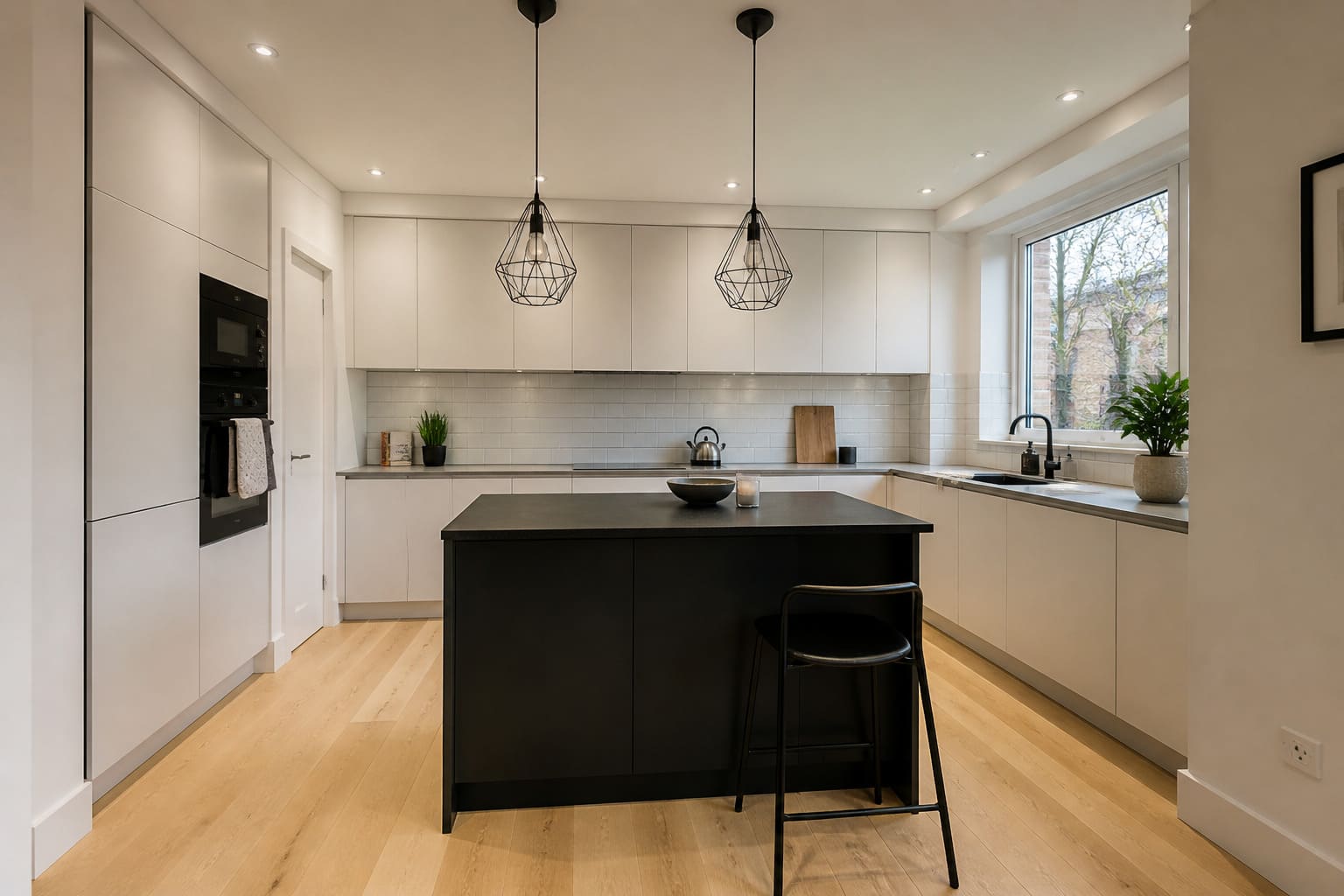
Side returns, the slim alleyways running alongside many terraced homes, often go unused. With smart architectural thinking, they can become functional parts of your layout, particularly in Victorian houses where kitchen space is often limited. In boroughs like Camden or Southwark, where local regulations are strict, using a glass roof or incorporating a vaulted ceiling can bring light into otherwise dark zones. Before you begin, check if you’re building over a shared drain, how much natural light your neighbour relies on, and whether the Party Wall Act 1996 applies.
Who this suits best: Homeowners with Victorian terraces and unused side alleys who want more functional kitchen or dining space without the upheaval of moving house.
2. Wraparound Extensions for More Light and Flow
Wraparound extensions merge the side return and rear into a single L-shaped layout that opens up the ground floor dramatically. They’re ideal for households seeking a sociable, open plan kitchen, dining, and living space. Glazed walls, rooflights, and a flowing floor plan pull light into every corner. However, these builds often require sacrificing part of the garden and carefully navigating conservation rules. Using local borough design guides and pre-application advice can help avoid delays.
Who this suits best: Busy families who need more space and better sightlines between kitchen and garden, particularly where natural light is lacking.
3. Rear Extensions That Preserve Period Charm
Rear extensions are a popular way to add valuable living space to London homes without altering the street facing appearance making them especially suited to conservation areas and period properties. The best designs blend seamlessly with the original building by using reclaimed bricks, timber sash windows, or Crittall style frames, while features like sliding doors and rooflights introduce natural light and connect the home to the garden. A sympathetic internal layout that respects original proportions enhances flow and functionality, and planning approval is often easier to secure when extensions remain modest in height and avoid overlooking neighbours. Compact Building often takes this considered approach balancing contemporary comfort with architectural sensitivity ensuring each extension feels like a natural evolution of the property rather than an add on.
Who this suits best: Period home owners looking to expand without disrupting the architectural rhythm of their street. If you’re seeking Victorian house extension ideas that retain charm while improving usability, a rear extension is a reliable option.
4. Dormer Loft Conversions for Extra Space
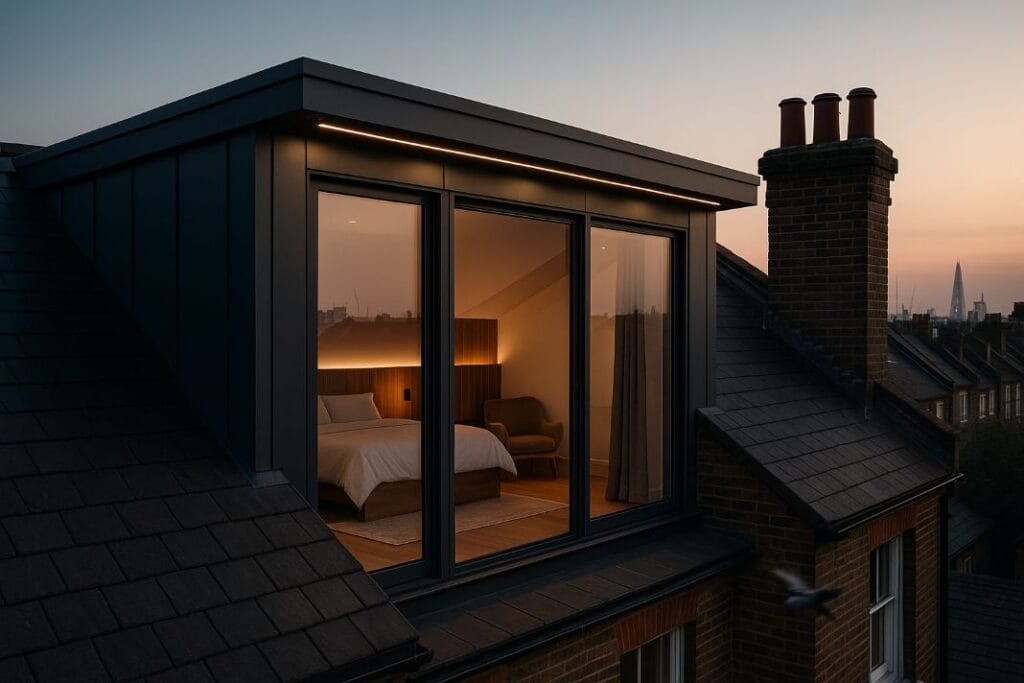
Dormer loft conversions are a top choice in areas with tight plots. By extending vertically within your existing roof structure, you can add a bedroom, office, or playroom without losing garden space. Dormers typically offer more usable head height than Velux only conversions, making them ideal for long term living. Think carefully about where the new staircase will go, how it connects to existing floors, and whether your plans meet fire safety requirements.
FAQ: Do I need planning permission for a dormer loft in Camden? You might not. Many dormers fall under Permitted Development rules. However, height limits and distance from the eaves still apply, so check with your borough council.
Who this suits best: Homeowners in high density boroughs with limited outward extension options, especially those wanting a private retreat or home office. For loft extension ideas in London that offer flexibility and increased property value, dormers are a proven solution.
5. Glazed Kitchen Extensions That Bring the Garden In
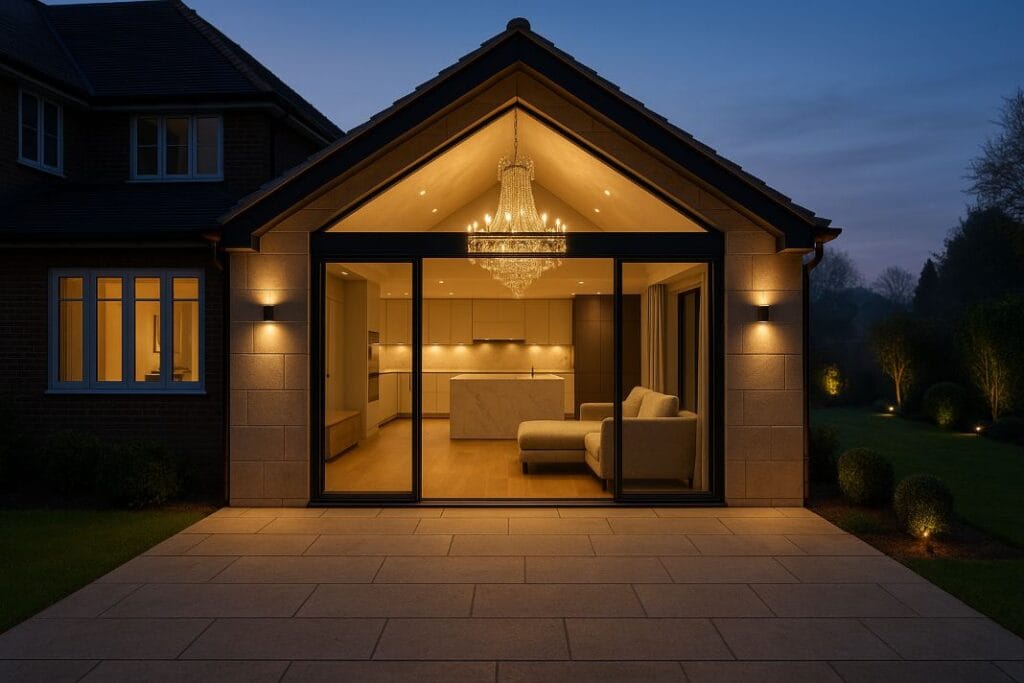
Glazed extensions aren’t just visually striking. They help reimagine how a kitchen connects to the garden. By using full height windows, bifold doors, or corner glazing, the boundary between indoors and out becomes almost invisible. It’s important to get the thermal performance right, so triple glazing or solar control glass is recommended. Continuity in flooring and heating, such as underfloor systems, helps unify the old and new spaces.
Sustainability tip: Recycled aluminium frames and solar-reflective glazing make a noticeable difference in both comfort and energy use.
Who this suits best: Households looking to create a lifestyle space where cooking, eating, and socialising blend seamlessly with garden access.
Need Help Planning Your London Extension?
Pro Tip: Lightwells and clever glazing turn basements from dark spaces into stunning living zones.
Petru Balbaie - Director at Compact Building Ltd
6. Two Storey Extensions in Edwardian Homes
When one storey simply won’t cut it, going double can offer a more holistic and future-proof solution. Two storey extensions allow homeowners to dramatically enhance both the practicality and value of their property. They’re ideal for creating symmetry in expansion think generous open plan kitchens or family spaces at ground level, with additional bedrooms, a second bathroom, or even a home office above.
Edwardian homes are particularly well suited to this kind of upgrade. Their wider footprints and balanced proportions provide a strong architectural canvas for vertical extension. Unlike the narrower Victorian terraces, Edwardian properties often come with larger rear gardens and higher ceilings, offering both the space and visual scale to make a two storey addition feel integrated and natural.
That said, design sensitivity is key. Planning departments across London and the Home Counties typically scrutinise rooflines, window placements, and overall massing very closely especially in conservation areas. Matching original brickwork, roof tiles, and sash window proportions can make or break a proposal. The goal is not mimicry, but architectural harmony: enhancing the home while preserving its period charm.
Experienced builders who specialise in heritage and period properties can make all the difference here. At Compact Building, we’ve delivered several two storey extensions for Edwardian homes where careful design coordination with architects and planners ensured smooth approvals and seamless finishes. From replicating decorative cornicing to sourcing complementary materials, the attention to detail matters.
More than just extra space, a well executed two-storey extension can redefine how an Edwardian home functions for modern family life without sacrificing its original elegance. Whether it’s incorporating large glazed openings to bring in light or futureproofing the layout with upstairs laundry rooms and en suites, the right approach balances form with function.
And while not every project needs a complete redesign, working with professionals who understand both period architecture and contemporary living like Compact Building can help homeowners navigate the design, planning, and build process with confidence.
Who this suits best: Families who want to stay put in good school catchment areas but urgently need more room. For Edwardian house extension ideas in London, two-storey options often provide the most functional return on investment.
7. Basement Extensions Beneath London Homes
In boroughs where land is scarce and property prices are high, basement extensions have become increasingly popular. They allow you to carve out gyms, guest suites, or home cinemas beneath your feet. That said, basement builds involve more than just digging. Tanking, underpinning, and detailed structural planning are all part of the process. Natural light can be introduced through glazed staircases, internal courtyards, or front and rear lightwells.
FAQ: Can I add a basement under my entire property? Not necessarily. Many London boroughs place strict limits on how far you can dig, especially near neighbouring structures. A ground survey and engineering report are usually required.
Who this suits best: Homeowners in premium postcodes who want to dramatically increase living space without altering the look of their home.
8. Mansard Roof Extensions in Conservation Areas
If you’re looking to gain an entire extra floor in a conservation area, a mansard extension is often your best option. These subtly angled rear roof additions follow historical rooflines, which helps win favour with planners. Matching ridge heights, traditional slate tiles, and appropriate window placement are key to success. While dormers might be restricted in areas like Islington or Westminster, mansards often slip through planning due to their visual harmony.
Sustainability tip: Use breathable natural insulation and responsibly sourced slate to boost your home’s eco-credentials while retaining period charm.
Who this suits best: Residents in heritage streets who want more space upstairs without fighting planning resistance.
9. Pocket Garden Rooms for Flexible Space
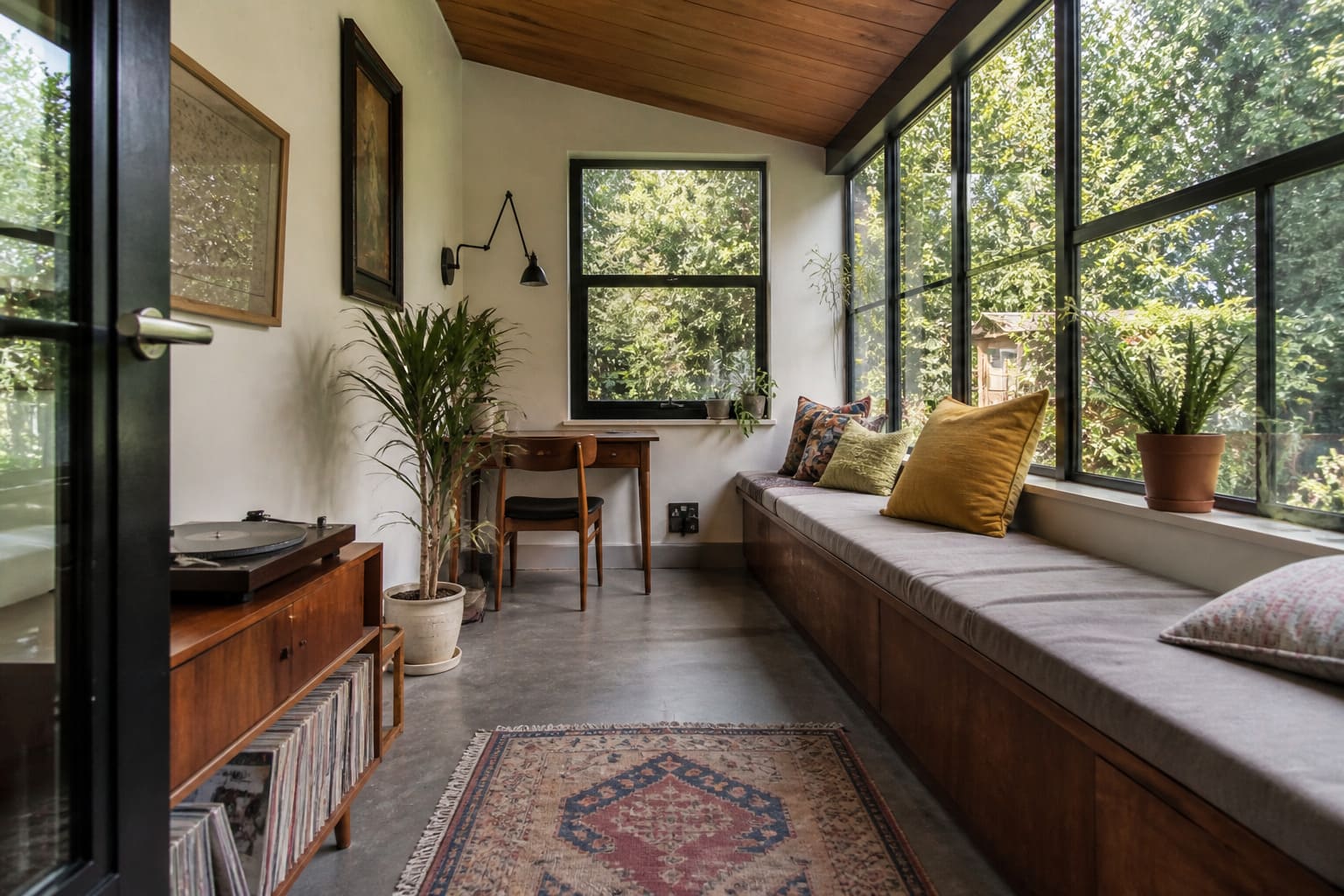
Sometimes, the best solution is a separate structure. Pocket garden rooms, whether used as offices, studios, or gyms, let you gain usable space with minimal disruption to your main home. They’re often built off site, meaning faster install times and cleaner construction. Most fall within Permitted Development, so long as they meet size and boundary rules. Their modular nature means they can be adapted to suit quirky or unusually shaped gardens.
Who this suits best: Remote workers, creatives, or anyone seeking peace and focus a few steps from the back door.
10. Contrasting Modern Cubes for a Bold Look
Not every extension has to mimic what’s already there. In fact, a bold contrast can bring out the best in both the original home and its addition. Clean lined glass cubes, zinc wrapped volumes, or minimalist forms allow light to flood in and give a property that designed edge. The secret lies in restraint. Proportions, alignment, and finishes need to be finely tuned.
Sustainability tip: Zinc cladding is fully recyclable, long lasting, and virtually maintenance free. A smart option that performs as well as it looks.
Who this suits best: Homeowners ready to make a statement, especially where the original architecture can handle contrast without being overwhelmed.

Bonus: Planning Permission Tips for London Homeowners
Before making big plans, start with small steps. Check with your local planning office, especially if you live in a conservation area or have a listed building. Some extensions qualify under Permitted Development, but others will need full planning applications. The Party Wall Act 1996 and Thames Water approval are often overlooked, yet essential, parts of the process. Planning permission in London varies widely, so consulting professionals early is a smart move.
Bonus: Budgeting for a Home Extension in the Capital
Build costs in London vary. A side return might start around £50,000, while basement digs or double height extensions can run into six figures. Always plan for a contingency of 10 to 15 percent to cover surprises like poor ground conditions or structural reinforcements. RICS and Homebuilding and Renovating publish useful cost breakdowns that can help you budget more accurately. When budgeting for a London home extension, account for planning, surveys, materials, and disruption.
Bonus: Choosing the Right Idea for Your Home Style
Not all extension types fit all homes. Victorian terraces often work well with side returns or wraparounds. Edwardian semis are perfect candidates for double-storey builds. If you own a townhouse in Zone 1, basements or mansards are more likely to meet planning approval. Speak with London architects for home extensions who understand your borough’s quirks. They’ll help you avoid missteps early on.
Bonus: Quick Planning Checklist for London Extensions
- Check if your project qualifies under Permitted Development
- Speak with neighbours and understand the Party Wall Act
- Review local conservation area guidance
- Budget for surveys, contingency, and planning fees
- Choose experienced professionals familiar with your borough