
Can you extend your home in London without planning permission in 2026?
Yes, but it’s more complex than many homeowners expect. If you’re planning an extension, it helps to understand the rules around permitted development rights, borough specific exemptions, and when prior approval is necessary. This guide breaks down five essential facts every London homeowner should know.
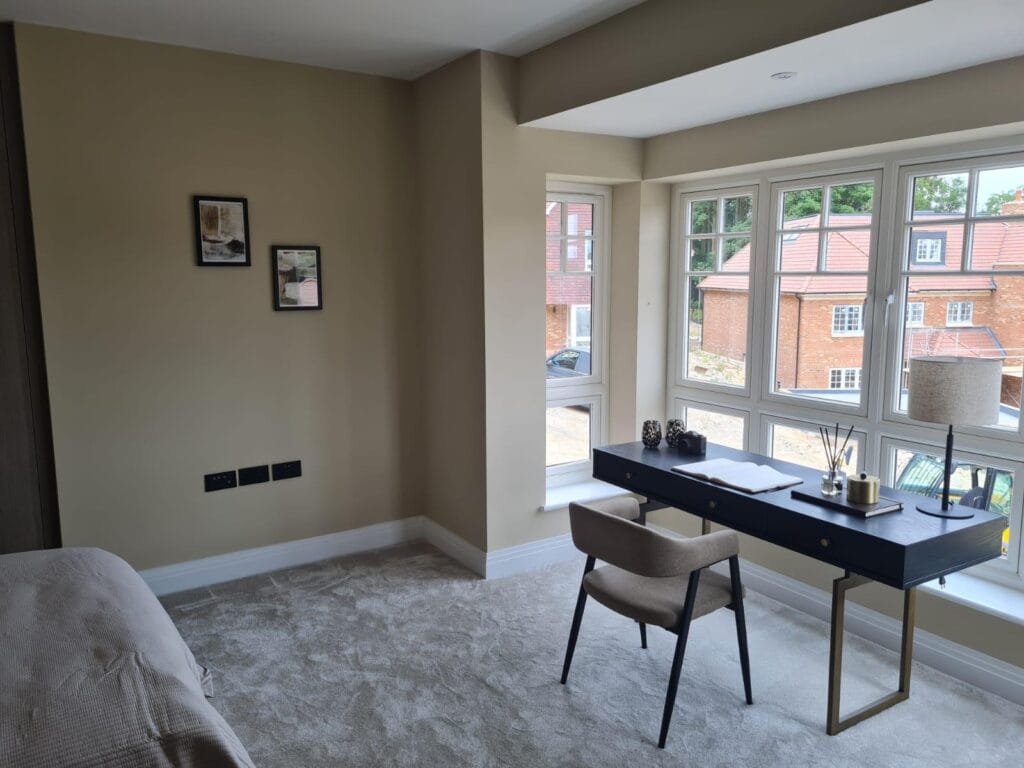
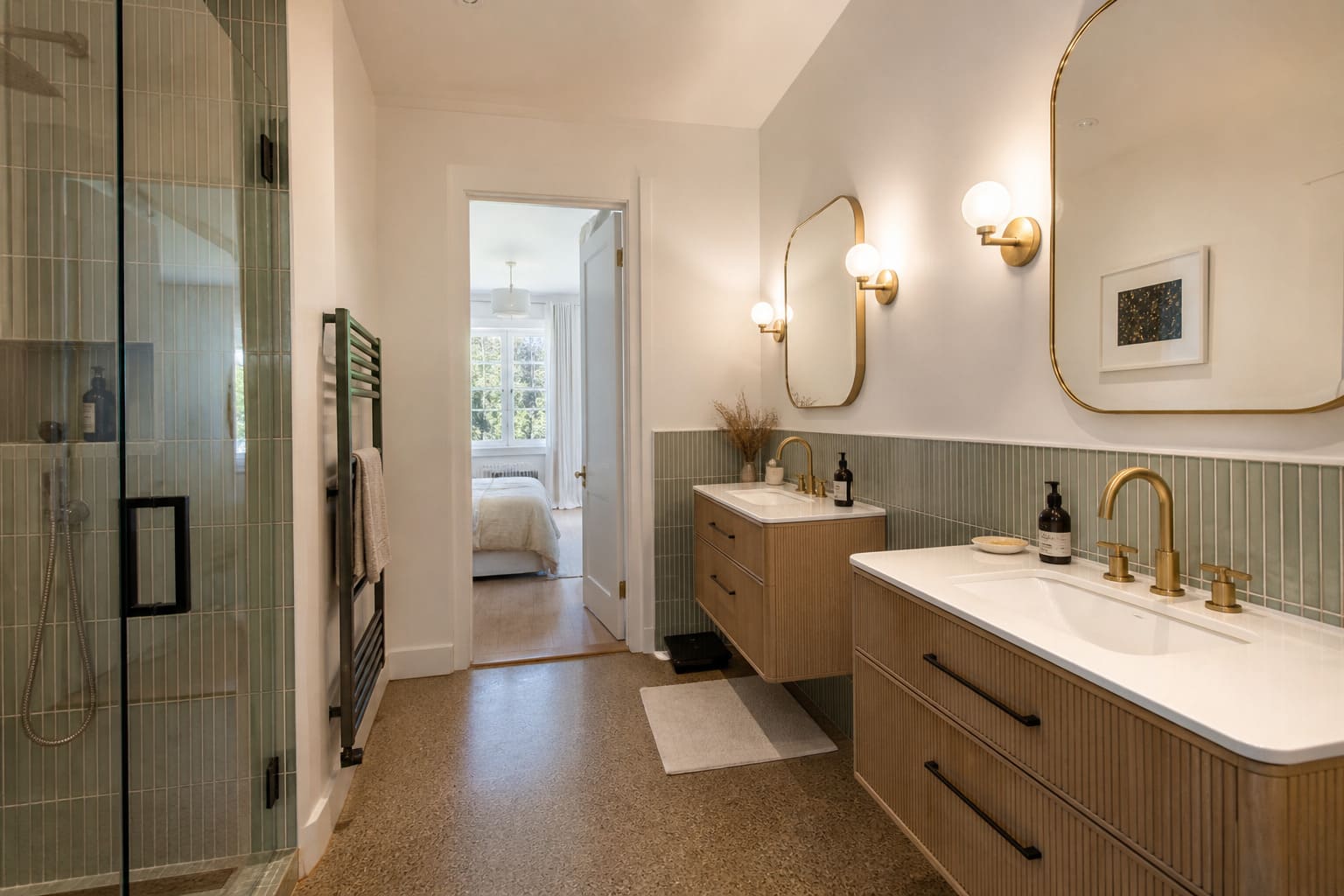
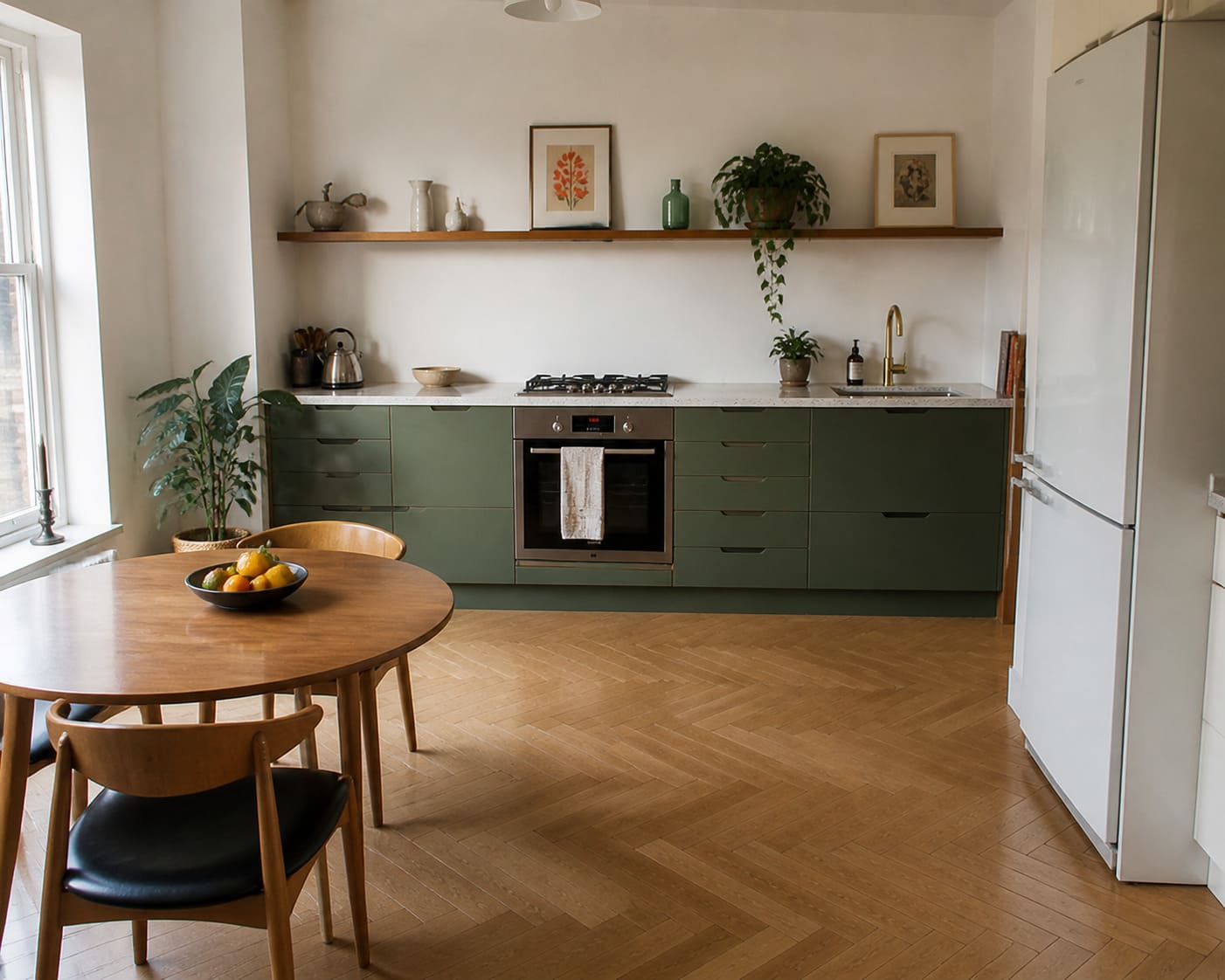
An AI photo of a home extension in London – Compact Building
Pro Tip: Submit a Lawful Development Certificate even if you’re confident your project qualifies—it protects your property value long term.
Petru Balbaie - Director at Compact Building Ltd
Why Are More London Homeowners Extending Without Full Planning Approval?
London’s lack of space, rising house prices and growing family needs have pushed many homeowners to explore permitted development. These rights allow specific types of home improvements without needing full planning permission, saving time and cutting through red tape.
However, permitted development is not a free for all. Many confuse it with full approval, and borough level planning policies can still override it. If you’re thinking of extending in 2026, knowing your local restrictions is key.
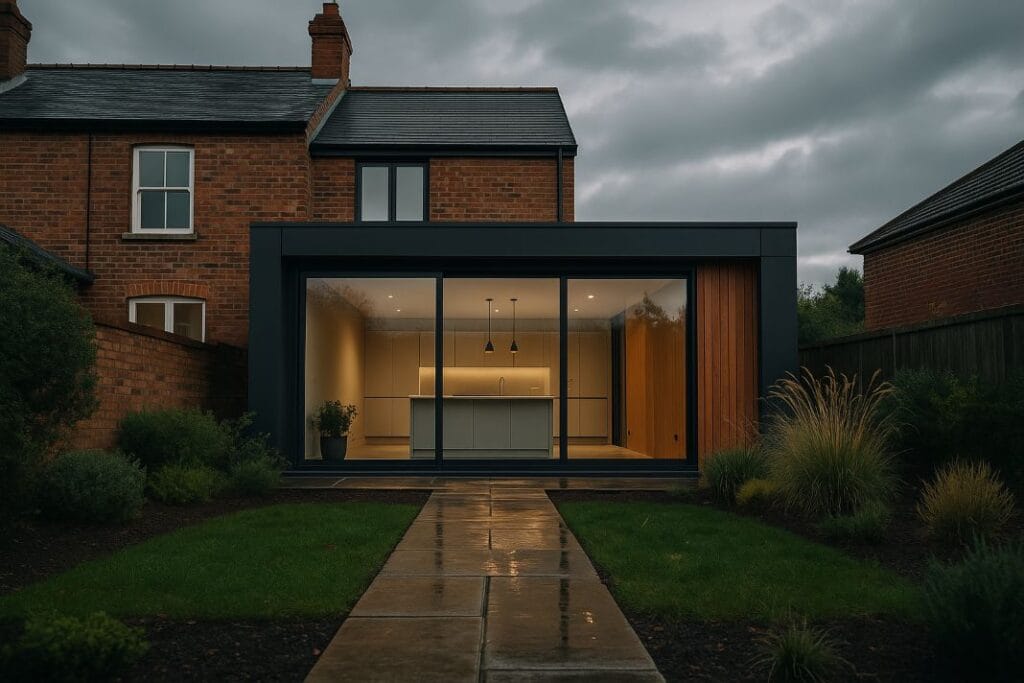
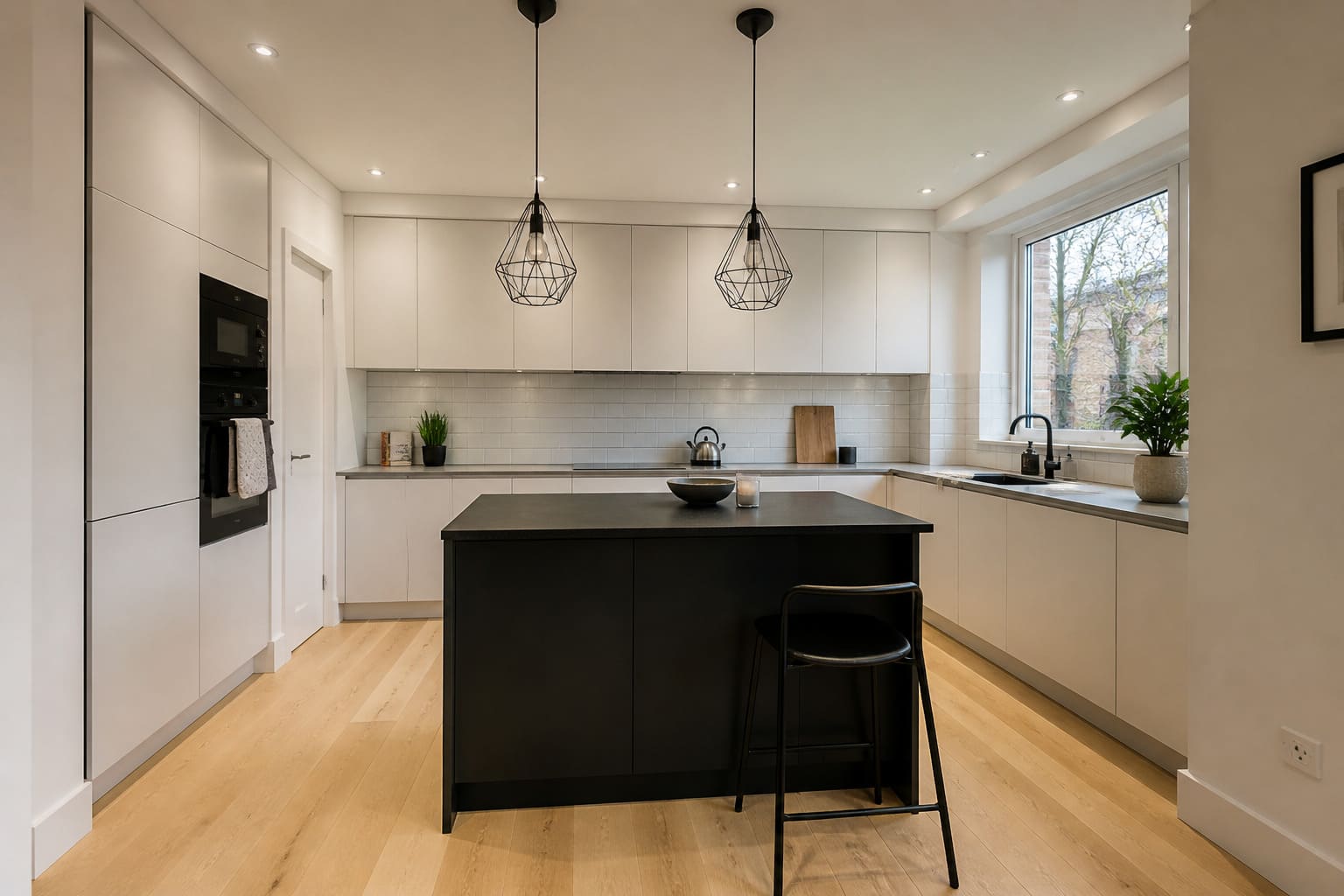
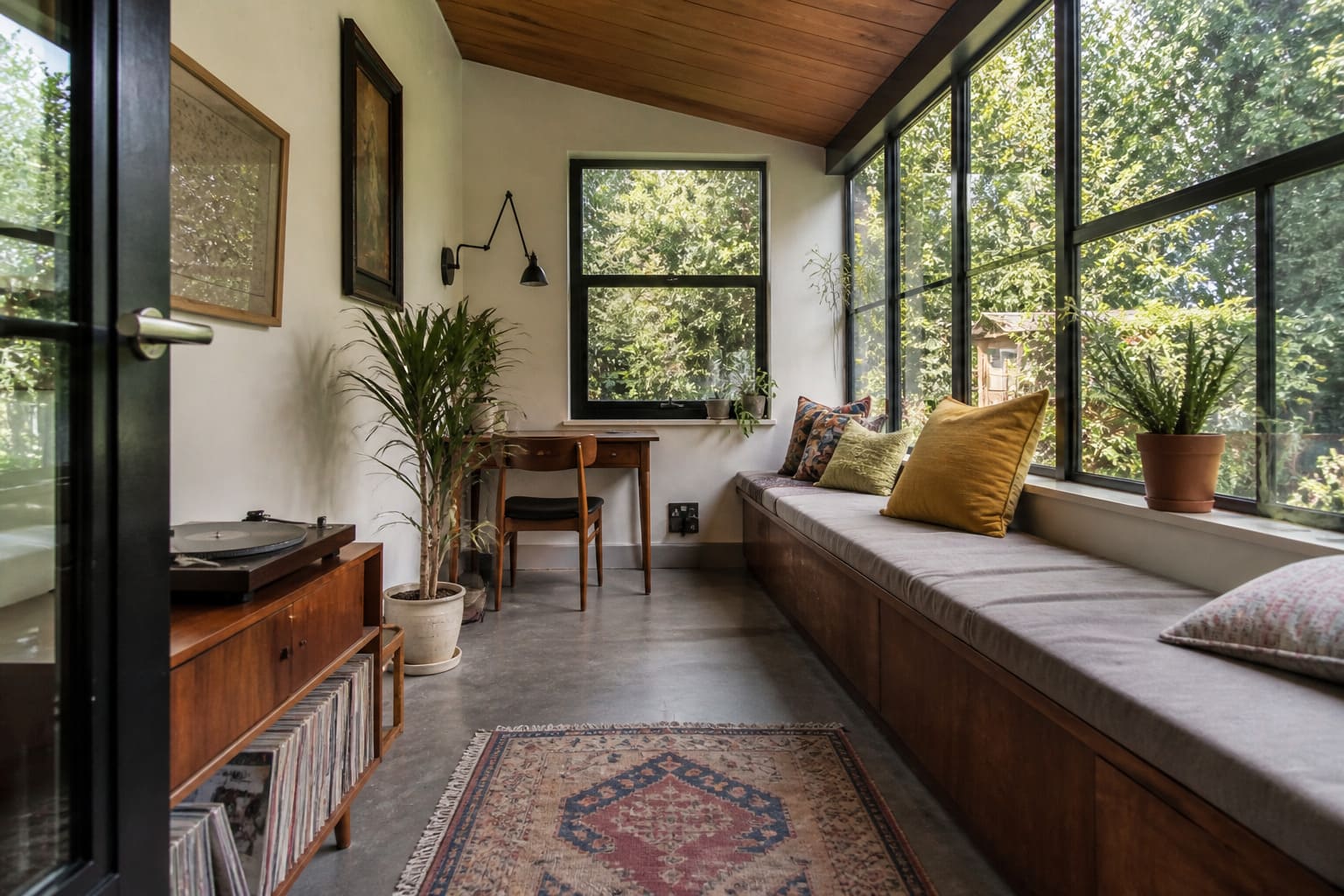
An AI photo of a modern home extension in London – Compact Building
1. What Are the Limits of Permitted Development in 2026?
Permitted development allows modest extensions within clearly defined rules.
What Can You Build Without Planning Permission?
- Rear extensions: up to three metres for terraced or semi detached homes, or four metres for detached homes
- Side extensions: must be single storey, under four metres in height, and less than half the width of the original property
- Maximum eaves height of three metres and overall height lower than the original home
- Materials should closely match the existing appearance
- No more than fifty percent of your plot (the land surrounding your house) can be covered
If your home has been extended previously or has existing outbuildings, that space counts toward your allowance. Everything is measured from the original house as it stood in 1948.
Always check with your local authority. Terraced homes often have stricter allowances due to proximity to neighbours. A planning history search through your borough’s records can reveal important restrictions.
2. Do You Need Prior Approval for Larger Extensions?
You may be eligible for a larger extension under the Larger Home Extension Scheme, but you must apply for prior approval.
When Prior Approval Is Required
- Rear extensions of up to six metres (terraced or semi detached) or eight metres (detached)
- Council must be notified and neighbours consulted
- Decision deadline: forty two days
Why Prior Approval Might Be Refused
- Loss of daylight to neighbours
- Overbearing design or overdevelopment
- Privacy issues from window placement
- Impact on garden space and neighbour amenity
For instance, a homeowner in Lewisham had a six metre extension proposal denied because it overshadowed a neighbouring garden in the afternoon. Even though the size was within permitted limits, the council rejected it due to amenity impact.
A clear site location plan and accurate measurements are essential to avoid rejection. If the council fails to respond in time and all paperwork is correct, approval is typically deemed granted.
Book Your Home Extension Consultation
Pro Tip: Flats and maisonettes never qualify for permitted development rights—check with your council before making plans.
Petru Balbaie - Director at Compact Building Ltd
3. Can London Boroughs Override Permitted Development Rights?
Yes, and it happens more often than people realise.
What Is an Article Four Direction?
An article four direction removes some or all permitted development rights in certain areas. It is designed to protect historic streetscapes or control overdevelopment.
If your property falls under article four, you must apply for full planning permission, even for minor changes.
Borough Examples
- Camden: Restrictions in Kentish Town and Bloomsbury often block rear dormers and roof extensions
- Islington: Rear alterations frequently restricted in Highbury Hill and Barnsbury
- Hackney: Victorian terraces in Clapton and London Fields typically face tighter controls
- Richmond: Areas like Kew and St Margarets apply strict conservation rules
Conservation Areas and Listed Buildings
- Even small extensions often require full permission
- Restrictions can apply to materials, window styles and colour schemes
- Listed building status may apply to interior works as well
Always check your postcode against your borough’s interactive planning map. If you’re unsure, request written confirmation from the council’s planning case officer.
4. Is a Lawful Development Certificate Worth Getting?
Yes—and it is one of the smartest steps you can take.
What an LDC Does for You
- Certifies that your project is legal under permitted development
- Prevents problems during sale or remortgage
- Gives formal protection if the council investigates
- Reduces buyer due diligence queries during conveyancing
Some buyers’ solicitors may refuse to proceed if recent building work lacks a certificate. Others may demand indemnity insurance, which can delay or derail the process. LDCs reduce risk by validating your legal position.
To apply, submit your scaled drawings, location plan and evidence to your local authority. It usually takes up to eight weeks for a decision. This process, while optional, is widely recommended by architects, planning consultants and mortgage brokers alike.
5. How Can You Design an Extension That Meets Rules and Adds Value?
Even within permitted limits, good design makes a big difference.
How to Stay Compliant Without Sacrificing Quality
- Install rooflights or glazed doors to boost natural light
- Choose window placement carefully to avoid overlooking neighbours
- Use similar materials and match your home’s roofline for cohesion
- Maintain clearance from boundaries and gutters
- Blend new works with older extensions for continuity
At Compact Building Ltd, we understand how important it is to get the design right from day one. As trusted London specialists in home extensions and renovations, we help homeowners plan compliant, stylish spaces that meet both legal and lifestyle needs.
A thoughtful layout can also reduce neighbour objections during prior approval. Where privacy screens, planting or boundary compliance measures are used, councils are more likely to view the proposal favourably.
Extensions that respect the Party Wall Act 1996 and incorporate energy efficient features may also attract long term financial benefits. Designs that achieve strong Energy Performance Certificate ratings help improve both property value and appeal.
What If Your Project Does Not Qualify for Permitted Development?
You have still got options.
Alternatives to Explore
- Apply for full planning permission—especially if you are in a flat or listed building
- Use phased development: do what is allowed now and apply for more later
- Seek pre application advice to reduce rejection risks
Flats, maisonettes and properties under leasehold often face additional legal requirements. Check whether you need consent from the freeholder or managing agent before starting any residential extension work.
A planning consultant can provide a feasibility review to ensure your proposal is both practical and policy compliant. If cost is a concern, local authorities often offer low cost pre application consultations.
Do Planning Permission and Building Regulations Mean the Same Thing?
No, they are completely separate.
What Planning Permission Covers
- Visual impact on your home and neighbours
- Use of space and community character
What Building Regulations Cover
- Structural safety, fire protection, insulation, drainage and ventilation
Even if you do not need planning permission, your build still needs to comply with building regulations. You may work with council inspectors or private approved inspectors. Both require detailed plans and site visits. A building control submission is usually required before starting construction.
London Case Studies: When Permitted Development Worked and When It Did Not
- Richmond: One homeowner built a rear extension and secured a lawful development certificate. The property sold quickly with no solicitor issues.
- Islington: A project was blocked despite fitting PD rules. Article four restrictions meant full planning permission was required.
- Camden: A flat owner submitted a planning application for a rear balcony. PD rights did not apply, but full permission was granted with conditions. The owner had to install privacy screens to reduce overlooking.
These examples show why local rules, planning history and professional advice can make or break your extension.
Quick Checklist: Can You Build Without Planning Permission?
- Rear extension within three or four metres?
- Not in a conservation area or article four zone?
- No previous large extensions added?
- Materials match existing finishes?
- Checked with the council or received a certificate?
Questions to Ask Before You Start Your Extension
- Is your street covered by article four restrictions?
- Is your home in a conservation area or listed?
- Have there been past extensions on your property?
- Do you know the difference between planning permission and building regulations?
- Have you used your borough’s pre application or PD checker tool?
- Do you need freeholder consent for leasehold works?
What Should You Do Next?
If you’re looking for expert support with your permitted development extension, Compact Building Ltd provides full design and build services across London—from planning checks to flawless finishing.
If you are thinking about extending in 2026, do not guess. Confirm your status under permitted development. Use local council tools, seek professional advice and apply for a lawful development certificate.
London’s planning policies are strict and vary borough by borough. Being proactive could save you months of stress, delays and extra cost.
The right extension will improve your living space, stay legal and increase your home’s value. Plan it well and build with confidence.