



What should homeowners ask before accepting a bathroom fitter’s quote in NW London?
Before agreeing to a bathroom fitter’s quote in NW London, homeowners should clarify the scope of works, check for itemised costs, understand the timeline, confirm project management roles, review permissions and regulations, inquire about processes for unforeseen issues, verify guarantees and aftercare, and ensure payment terms are transparent. This approach supports informed, confident decisions and reduces risk.
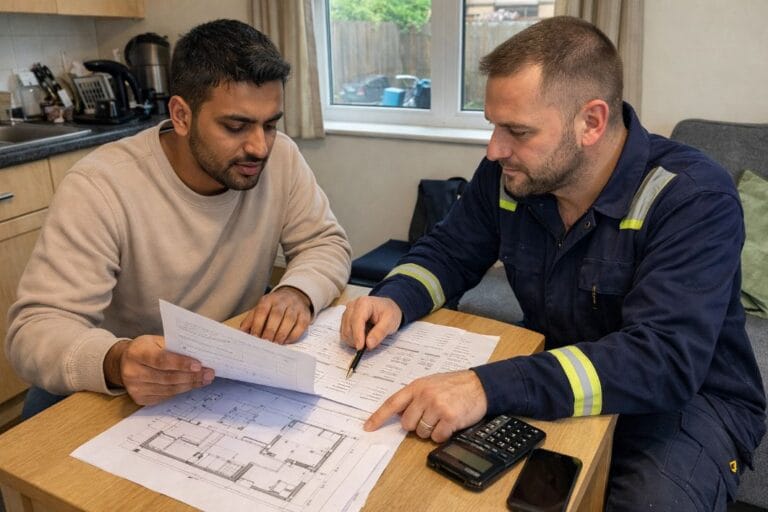
Pro Tip: Request a site survey before accepting any quote to clarify project details and avoid hidden costs.
Petru Balbaie - Director at Compact Building Ltd
Understanding the Scope of Your Bathroom Project
Confusion about what a bathroom renovation involves can lead to disappointing surprises once work begins. For many homeowners, the difference between updating a few fixtures and carrying out a full refurbishment is not always clear. Misunderstandings around project scope often result in inaccurate quotes or added costs later.
A well-defined bathroom renovation scope supports realistic budgeting and project planning. For example, simply replacing taps and re-grouting tiles differs greatly from moving walls, changing layouts, or upgrading all plumbing and electrics. If you intend to alter the structure, relocate a shower, or improve accessibility, your requirements will be more complex.
Professional companies, such as Compact Building Ltd, benefit clients by exploring these distinctions early. Before requesting quotes, clarify your expectations about:
- Cosmetic changes or structural alterations
- Whether fixtures or fittings are included
- Upgrades to plumbing or wiring
- Tiling, waterproofing, and ventilation
- Disposal of old suite and building waste
- Decoration and finishing touches
Some exclusions are common, including moving services hiding behind walls, addressing hidden damage, or making improvements required by Building Regulations.
Ask fitters to specify exactly what is included in their quote as well as what is not. If possible, arrange a site survey before quoting. Transparency around your project brief leads to smoother communication, fewer assumptions, and ultimately better outcomes for both parties.
1. Are All Works and Materials Itemised in the Quote?
A clear, itemised quote forms the backbone of easy bathroom refurbishment. Without a detailed breakdown, homeowners risk hidden surprises and misunderstandings.
Itemisation allows you to compare different quotations accurately, line by line, enabling clearer budgeting and better oversight. By contrast, vague or lump-sum quotes can mask omissions or inflate minor costs.
A full bathroom quote should list:
- Demolition and removal works
- Plumbing and electrical work
- Fixtures, fittings, and expert installation
- Tiling, flooring, and decoration
- Materials, including allowances or provisional sums
- Any exclusions or special notes
Review the breakdown for vague descriptions or missing line items. Ask your fitter to clarify anything that seems ambiguous, and remember that a transparent, detailed quotation is a foundation for trust. Reputable firms, like Compact Building Ltd, issue quotations that detail all materials and works, allowing homeowners to plan with confidence.
2. What Is the Timeline for Completion and Key Milestones?
Understanding how long your bathroom project will take is especially important for households juggling family, work, and limited facilities. Without a clear schedule, daily routines can suffer and stress can increase.
A typical bathroom renovation in NW London might take one to three weeks, depending on the scope and the challenge of any underlying issues. Hold-ups commonly arise from delayed materials, unforeseen repairs, or limited site access.
Reliable fitters address this by supplying a written project schedule with defined milestones, such as:
- Bathroom strip-out
- First fix (plumbing and wiring)
- Tiling and waterproofing
- Second fix (installation of sanitaryware)
- Final finishing and snagging
- Handover and sign-off
Request to see a phased schedule before agreeing to a start date. Fitters should explain how they work through delays and communicate progress. Regular updates prevent surprises and keep everyone aligned, which is especially useful in busy London homes where time and convenience are valuable.
Pro Tip: Always confirm who will manage your project day-to-day and request their contact details in writing.
Petru Balbaie - Director at Compact Building Ltd
3. Who Will Be Managing the Project Day-to-Day?
The question of day-to-day project management is central to a smooth experience. Without a dedicated point of contact, even smaller projects can become disjointed, with tasks falling between the cracks.
Some companies provide a single project manager or site supervisor, while others expect trades to coordinate themselves. A managed project reduces miscommunication and keeps timelines on track.
Key questions to ask your bathroom fitter include:
- Who is responsible for daily oversight on site?
- Who will be my main point of contact for updates and questions?
- How are issues or decisions escalated and resolved?
- What process is in place for site meetings or inspections?
Firms such as Compact Building Ltd provide structured project management, giving clients assurance that someone is responsible for both the big picture and the daily details.
4. Are All Necessary Permissions and Regulations Covered?
In London, even straightforward bathroom renovations may trigger the need for compliance with local Building Regulations or other legal requirements. Overlooking these can have serious consequences for insurance, property sales, or future works.
Typical permissions and compliance points include:
- Building Regulations approval for drainage, electrics, and structural changes
- Water Regulations compliance for fittings and backflow prevention
- Party Wall Agreements if work affects shared structures
- Certificates or warranties for electrical and gas works
Ask your fitter who will manage permits and how compliance is documented. A reputable company will handle submissions to your council or notify you if independent sign-off is required. Documentation, such as Building Control certificates or WRAS compliance, protects your interests long after the project concludes.
Request an Itemised Bathroom Quote
5. How Are Unexpected Issues and Variations Handled?
Even the best planned bathroom refurbishment can reveal hidden issues, from leaking pipes to rotten timbers. The way your fitter manages these surprises can determine your overall satisfaction.
A strong variation process safeguards both parties:
- Fitters notify you promptly when unforeseen work arises.
- Written variation orders, including costs and revised timelines, are provided for approval.
- Extra works do not proceed until you authorise the change.
- All changes are tracked and reflected in the final invoice.
Ask your bathroom fitter to explain their process for handling variations, including communication and cost control. Compact Building Ltd, for instance, is known for transparent authorisation before moving forward with any extra work. Clear processes limit disputes and protect your budget.
6. What Guarantees and Aftercare Are Provided?
Aftercare and guarantees underpin lasting value from your investment. Once the excitement of a new bathroom fades, prompt snagging and clear warranty terms help maintain your peace of mind.
Guarantees may cover:
- Labour and installation
- Materials and sanitaryware
- Waterproofing and tiling
- Defects liability for a set period
You may also receive support with minor adjustments, maintenance advice, and product manufacturer warranties.
Ask for written details specifying what is covered, the warranty period, how to report issues, and any exceptions. Insist on clear documentation for both guarantees and aftercare. This preparation avoids ambiguity and makes aftercare straightforward if required in future.

7. Is the Quote Fixed, and What Are the Payment Terms?
Predictable payment terms protect your cash flow and reduce anxiety. Not all bathroom refurbishment quotes are fixed; some are estimates that can change if requirements shift or surprises arise.
Payment schedules typically include:
- Deposit upon agreement
- Interim payments following key milestones
- Final payment only after completion and sign-off
- Occasionally, a retention sum withheld for snagging resolution
Request written confirmation that the quote is fixed unless otherwise stated, and ask to see the full payment schedule in advance. Understand what triggers each payment, such as work completion, inspections, or documentation. Clear, written terms safeguard both you and your contractor against misunderstandings.
Final Thoughts: Making a Confident, Informed Choice
Choosing the right bathroom fitter requires more than comparing prices. Calm, structured questioning and clear agreements ensure your renovation is managed well from start to finish.
Key checks to carry out before accepting any quote include:
- Defining the full project scope in detail
- Insisting on itemised, transparent quotations
- Agreeing a timeline with clear milestones
- Confirming daily project management responsibilities
- Verifying that all permissions and regulations will be met
- Understanding how variations and unforeseen issues are handled
- Reviewing guarantees, aftercare, and payment terms
Professional renovation management minimises risk and reduces stress. As you consider your next steps, remember that thorough preparation and honest communication lay the groundwork for a positive experience and a result you can enjoy for years to come.