
Which is better for adding value: a single-storey or double-storey extension?
Deciding between a single-storey and a double-storey extension is a key decision for UK homeowners looking to expand their living space. Both options increase usable area and improve daily living, but each comes with its own costs and long-term benefits. Choosing the right one can influence how your home functions and how well it performs on the market.
Pro Tip: Always research your local ceiling price before extending to avoid overcapitalising.
Petru Balbaie - Director at Compact Building Ltd
Should You Build Up or Out? A Homeowner’s Value Dilemma
When space starts to feel limited, many homeowners consider extending instead of moving. Choosing whether to expand outwards or build upwards is not a simple decision.
Some people assume that building upwards is always more costly, while others believe single-storey extensions offer little real value. The reality is that each option suits different needs, depending on your home, your long-term goals, and your local area. Factors such as planning regulations, layout design, and market expectations all matter.
Laura and James live in a three-bedroom semi in the suburbs. They want more room without relocating. They are weighing up extending their kitchen into the garden or building a fourth bedroom above. Their decision reflects what many families face, balancing immediate needs with long-term investment.
What a Single-Storey Extension Really Offers (Cost, Function & Space)
Single-storey extensions are a popular choice for UK homeowners seeking to expand ground-floor space. They work especially well for bungalows, terraced properties, and homes with side or rear space available.
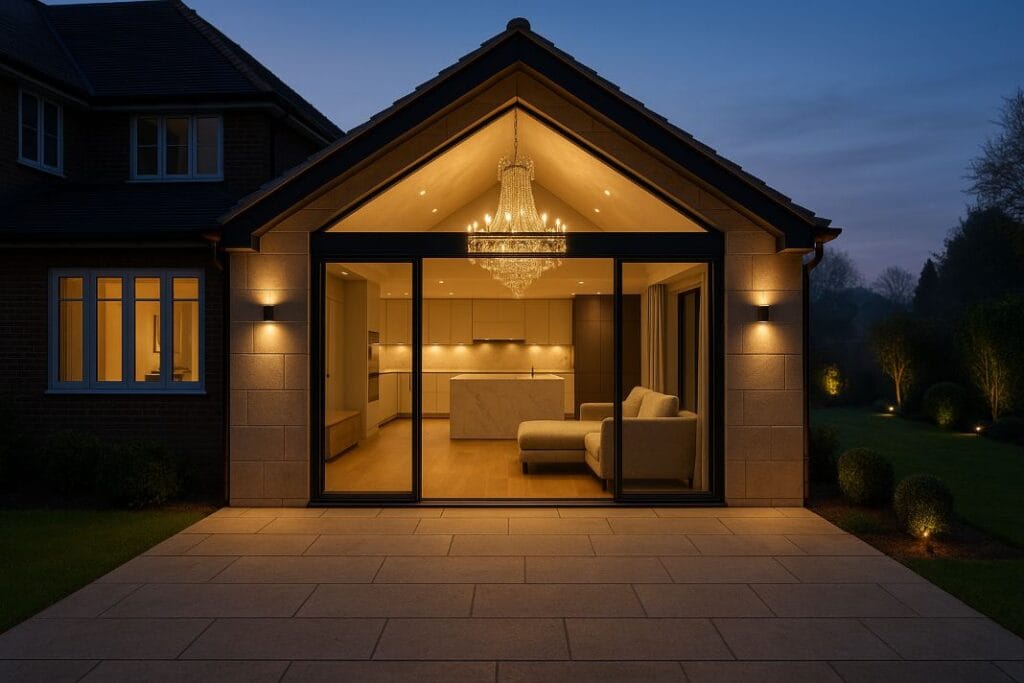
For example, adding a 20m² rear kitchen-diner may cost between £35,000 and £55,000. This type of extension can create open-plan living, improve indoor-outdoor flow, and enhance how the space is used. Many projects like this fall under permitted development, which means full planning permission is not always required.
However, value uplift depends on the quality of design and how well the new area functions. If it transforms the way a home works, such as adding space for dining or family time, it can offer great lifestyle value. These extensions are often ideal for young families or older homeowners who prefer single-level living.
Is a Double-Storey Extension Worth It? More Space, Bigger Investment
A double-storey extension usually costs more overall but less per square metre compared to single-storey builds. This is because key elements like the foundations and roof are shared. The result is more usable space for a better price per m².
Extending upwards to add a bedroom and en-suite often increases a home’s market value. It can move the property into a new price bracket. On the flip side, it usually requires full planning permission and structural changes. A poorly designed upper extension can disrupt the home’s balance and may not appeal to future buyers.
For instance, adding 40m² across two floors to a 1930s semi might cost around £80,000 but could raise the home’s value by £100,000 or more, depending on the location and market conditions.
When Planning Permission Is Required
Most double-storey extensions will require planning permission unless they fall under specific permitted development rights. Generally, if your plans extend beyond the rear wall by more than three metres, alter the roofline, or affect neighbouring views, you will need formal approval. Homes in conservation areas or flats will almost always require permission regardless of size. Always check your local authority’s guidance on the Planning Portal or speak with a professional before starting any work.
Cost Breakdown: Single vs Double Storey (What UK Homeowners Pay)
Understanding the costs can help you plan with confidence:
- Single-storey extension: £1,750 to £2,750 per m²
- Double-storey extension: £1,450 to £2,250 per m²
In London and the South East, prices can be 20 to 30 percent higher. Kitchens usually cost more than bedrooms due to appliances and finishes. You should also budget 10 to 15 percent extra to allow for design changes or material cost increases. Planning fees, building control, and design costs can add several thousand pounds.
What Adds More Value? Comparing ROI for Single and Double Storey Extensions
In terms of return on investment, double-storey extensions tend to perform better. Adding a new bedroom and bathroom increases both the functionality and the value of a home. This makes the property more appealing to buyers and raises its sale potential.
Even so, single-storey extensions can offer excellent value, particularly when they improve layout and add natural light. A well designed kitchen diner that connects to the garden can make a home feel larger and more appealing. Often, it is not just about square metres, it is about how well the space works.
Think of value as both financial and practical. The right extension improves the way you live while increasing buyer appeal down the line.
Pro Tip: A small layout improvement can be worth more than extra square metres when designed well.
Petru Balbaie - Director at Compact Building Ltd
Get Your Free Extension Feasibility Review
Real Examples: How Property Type and Location Impact Extension Value
Let us look at how different homes benefit from various extensions:
- London terrace: A single-storey side return creates a larger, brighter kitchen with garden access. While value uplift is modest, it transforms day-to-day living.
- Midlands semi: A 40m² double-storey extension adds an en-suite master bedroom and bigger living space. With a build cost around £75,000, the value may rise by £95,000.
- Cotswolds detached: A single-storey rear extension offers better ground-floor access and comfort. While the resale gain is limited, lifestyle value is strong.
What works depends on buyer expectations, property layout, and location-based ceiling prices. Matching the design to your home type and area is key.
Decision Matrix: How to Choose the Right Extension for Your Home
Choosing the right extension depends on your priorities, your lifestyle needs, and the long-term role your home will play. If your primary goal is to improve living space with minimal disruption, a single-storey extension is often the most straightforward option. It typically causes less upheaval during construction and provides practical, immediate improvements to your home layout.
However, if your family is growing or you are planning to stay in the property for many years, a double-storey extension might be the smarter investment. Adding bedrooms and bathrooms increases both functionality and market appeal. For homeowners working with tighter budgets, a single-storey build may be more manageable in terms of both cost and scope, and it can often be phased more easily.
If you’re aiming to maximise resale value, it’s important to understand your local ceiling prices. Adding too much square footage in a low-value area might not return your investment. Always balance personal needs with what your area can realistically support in terms of property value uplift.
Hidden Costs & Pitfalls That Can Kill Your Extension’s Value
Even well intentioned home extensions can lose value when common mistakes are overlooked. One of the most frequent issues is poor design that interrupts the natural flow of the home. An extension that feels bolted on or disconnected can diminish the appeal of even a large space.
Planning delays are another costly pitfall, often caused by incomplete or inaccurate applications. These can lead to months of setbacks, spiralling costs, and missed opportunities. Overspending on finishes or features that do not align with the property’s location and market value can also reduce return on investment. For instance, adding luxury materials in a modestly priced neighbourhood may not make financial sense.
Perhaps the most critical misstep is hiring the wrong builder. A lack of accreditation or experience can result in structural problems, failed inspections, and budget overruns. Always verify qualifications, reviews, and track records. A successful extension enhances both lifestyle and value, not just square footage.
Pro Tips to Maximise Value From Any Extension
A well-planned extension should feel like a seamless continuation of your existing home. Pay close attention to architectural details so that the new space integrates naturally with the original design. This includes aligning rooflines, matching materials, and continuing flooring or trim styles where possible.
Choose building materials that reflect the character and construction quality of the main structure. Overly modern finishes on a traditional home, or vice versa, can reduce appeal. Functionality is just as important as form. Ensure your layout supports everyday life with practical storage solutions and an intuitive flow from room to room.
Energy efficiency and natural light are also high-impact elements. Incorporating large windows, skylights, or glass doors can increase appeal while reducing utility costs. Lastly, focus on finishes, from flooring and doors to fixtures and fittings. Quality here leaves a lasting impression and helps any extension feel like a considered, cohesive part of the home.
Quick Value Checklist
Use this checklist to gauge whether your proposed extension is likely to deliver strong value:
- Adds usable square metres that improve function
- Includes practical upgrades like a bathroom or storage
- Matches or improves layout flow and daylight
- Fits within local ceiling prices
- Uses energy-efficient and well-finished materials
- Aligns with likely buyer expectations in your area

How Compact Building Helps You Build Smart and Maximise ROI
Compact Building are experienced extension specialists. They help UK homeowners plan the right type of build, from early design through to construction, to ensure value and functionality.
They offer advice on budgeting, layout, material choices, and managing the build process. Whether you are thinking of a single-storey kitchen-diner or a full two-storey rear extension, their team can guide you through the best route for your goals and your property.
Final Verdict: Which Extension Adds More Value to Your Home?
If you want maximum value uplift, especially when adding upstairs space, a double-storey extension is often the stronger choice. If lifestyle and layout are more important now, a single-storey extension can be just as rewarding.
Your decision depends on budget, space, local prices, and your plans for the future. With the right advice and design, either extension can offer strong value for you and for the next owner.