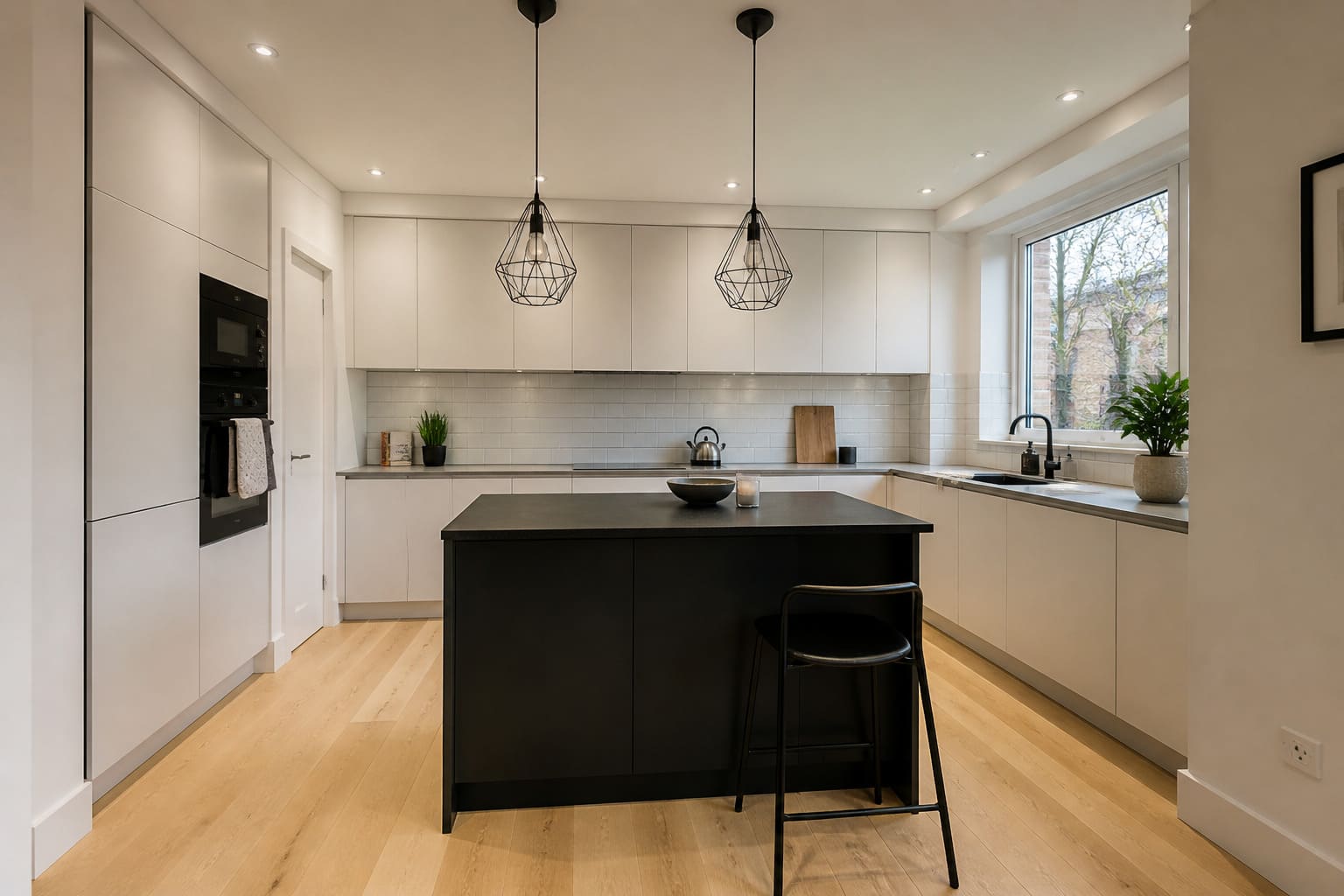



What should you expect from a kitchen renovation in Hertfordshire from planning to completion?
A kitchen renovation in Hertfordshire usually involves more than choosing cabinets and worktops. Most projects are shaped by the age and layout of the property, local authority requirements, budget decisions, and the way the build is managed on site. Homeowners who start with realistic expectations about permissions, timing, disruption, and finish quality tend to make steadier decisions throughout the project.

Pro Tip: Begin gathering compliance certificates and warranty documentation as soon as trades start on site so that nothing gets missed at handover.
Petru Balbaie - Director at Compact Building Ltd
Understanding the Realities of Kitchen Renovation in Hertfordshire
Kitchen renovation in Hertfordshire sits in a different context from a similar project in central London, although some pressures overlap. Homes are often larger, access can be easier, and plots may offer more flexibility, yet that does not automatically make a renovation simple. Period houses, post-war family homes, newer estates, and converted properties all bring their own constraints.
Older Hertfordshire homes often hide uneven walls, ageing pipework, dated electrics, or awkward room proportions. A kitchen that looks straightforward on a floor plan can become more involved once existing finishes are removed. Open-plan ambitions can also raise structural questions if walls are load-bearing.
Space is only one part of the picture. Access restrictions still matter, particularly on narrow residential roads, in tight cul-de-sacs, or where parking and deliveries need careful timing. Neighbours may also be a practical consideration, especially where a party wall agreement becomes relevant for associated structural work.
Several local factors often shape a kitchen renovation Hertfordshire homeowners may not have fully considered:
- Property type, including detached homes, semis, terraces, flats, and listed buildings
- Requirements from Hertfordshire local councils and planning permission authorities
- Building Regulations for electrical work, ventilation, structural changes, and drainage
- Access restrictions affecting waste removal, deliveries, and parking for trades
Another common misconception concerns disruption. Many homeowners picture a short burst of work followed by a neat handover, but kitchens affect daily life more than almost any other room. Cooking, washing up, storage, and family routines all need temporary solutions during the build, especially in busy households.
Pro Tip: Allow an extra ten to fifteen percent contingency in your budget to handle unforeseen issues, especially in older Hertfordshire properties.
Petru Balbaie - Director at Compact Building Ltd
Planning and Design: Laying the Foundations for Success
A good kitchen project often succeeds or fails before any demolition begins. Early design decisions shape layout, storage, lighting, appliance placement, budget pressure, and the order in which trades can work.
One of the most expensive mistakes is treating the design process as a quick prelude to the build. A rushed layout may look attractive on paper but work poorly in daily use. Walkways can feel cramped, doors may clash, and storage can end up in the wrong place for the way the household actually lives.
Why the brief matters
A clear design brief keeps the project grounded. That brief usually covers how many people use the kitchen, whether dining space is needed, what level of storage matters most, and which items must be retained or upgraded. Families with school-age children, keen home cooks, and people working from home often need very different layouts.
Practical space planning matters just as much as finish choices. Tall units, islands, peninsulas, integrated appliances, and utility zones all affect circulation. In compact rooms, a slight shift in appliance position can improve usability more than a costly finish upgrade.
Specifications prevent expensive drift
Detailed specification documents reduce uncertainty later. If cabinetry, worktops, taps, tiles, lighting positions, sockets, appliances, and flooring are left vague, prices are harder to compare and changes become more likely once work is under way.
That is one reason structured planning is valued by experienced renovation firms such as Compact Building Ltd. Clear drawings and defined specifications give the homeowner a firmer basis for decision-making and give the project team fewer grey areas to resolve mid-build.
Aspirations still matter, of course, but they need to sit within the realities of the room, the property, and the available budget. The projects that tend to feel smooth by the end are usually the ones that began with a feasibility assessment, honest design conversations, and fewer assumptions.
Permissions, Regulations, and Compliance: Working through the Essentials
Compliance matters because kitchen work can affect safety, legality, and future resale. Even when the project seems cosmetic, parts of the work may still fall under Building Regulations.
Planning permission is not required for every kitchen renovation. Straight replacements within the existing room often proceed without it. Matters can change if the project forms part of an extension, alters the exterior, affects a listed building, or sits within a conservation setting with tighter controls. Local authority planning departments are the right source for property-specific guidance.
Building Regulations are often more relevant than homeowners first expect. Electrical installations, structural alterations, ventilation, drainage changes, windows and doors in some cases, and certain forms of insulation or fire safety work can all require compliance. Building Control may inspect parts of the project, and compliance certificates should be retained with the property records.
A simple way to think about common scenarios is this:
- Replacing units and finishes in the same layout usually involves fewer approvals, although electrics and plumbing still need compliant work.
- Removing walls, adding doors or windows, or changing drainage routes can trigger Building Regulations review.
- Works affecting listed buildings or protected settings may need formal consent before anything starts.
Non-compliance can create practical problems later. Insurance queries, delays during a sale, requests for retrospective approval, or remedial work are all harder to deal with once the kitchen is complete and in use. For homeowners in Hertfordshire, especially those in older or character properties, checking the rules early is far less disruptive than revisiting them after installation.
Download Our Kitchen Renovation Planning Checklist
Budgeting and Cost Management: Setting Realistic Expectations
Most people begin with a target figure in mind, but a kitchen renovation cost is shaped by far more than cabinet style. Layout changes, structural work, electrical upgrades, plumbing alterations, flooring, decorating, appliance choices, and labour coordination all affect the final spend.
An itemised quote is usually more useful than a single headline price. Without a clear cost breakdown, it becomes difficult to see what is included, what is provisional, and where the risks sit. VAT should also be clear from the outset, because confusion here can distort budget expectations.
Several cost drivers tend to have the biggest impact:
- Structural alterations, including wall removal or steelwork
- Bespoke cabinetry and premium worktop materials
- Rewiring, plumbing upgrades, and moving services
- Flooring replacement, plastering, and making good beyond the kitchen footprint
- Delivery, access, and site logistics where properties are less straightforward
Contingency planning deserves a place in the budget from day one. Older homes in Hertfordshire can reveal hidden issues once the existing kitchen is stripped out, including damp damage, poor previous workmanship, or ageing services that no longer suit the new design. A contingency does not mean something will definitely go wrong. It means the budget reflects the reality that some issues only become visible once the room is opened up.
Lowest-price thinking can also create problems. A quote that appears much cheaper may exclude preparation, disposal, decoration, or fitting details that another contractor has priced properly. Transparent pricing, of the kind often associated with firms such as Compact Building Ltd, usually gives homeowners a better basis for comparison than an attractive total with limited detail.
A sensible budget is one that matches the property, the household’s priorities, and the expected standard of finish. Spending should feel intentional, whether the focus is long-term durability, layout improvement, or a cleaner and more cohesive look.
Project Management and Build Phase: What Happens on Site
Once the design is signed off and the scope is agreed, the project shifts from planning to execution. This stage tends to feel most disruptive to homeowners because the kitchen is out of action and several trades may need access within a short period.
Professional project management brings order to that activity. A single point of contact can coordinate timings, answer practical queries, manage changes, and keep the sequence moving. Without that structure, even good trades can end up waiting on one another or working around missing information.
A typical build phase often follows this broad order:
- Site protection, strip-out, and removal of the old kitchen
- First fix work, including plumbing, electrics, and any structural changes
- Plastering, flooring preparation, and readiness for installation
- Cabinet fitting, worktop templating and installation, then second fix connections
- Finishing works, snagging, and final checks
Order matters because one stage depends on the previous one being completed correctly. Cabinets cannot be fitted accurately if walls and floors are not properly prepared. Worktops cannot be installed before base units are level. Appliances and lighting cannot be fully commissioned until earlier service work has been signed off.
Communication also changes the experience of the build. Regular progress meetings or updates can help the homeowner understand what is happening, what decisions are due, and whether any timing has shifted. Short, clear communication is often more useful than constant messages with little substance.
Disruption management is part of the job as well. Deliveries need scheduling, waste needs removal, and access to the property has to be handled safely. Health and safety regulations still apply in domestic settings, and practical details such as dust control, temporary water shut-offs, and safe routes through the house affect daily life far more than many homeowners expect.
In a well-run project, the build phase feels busy but legible. You can see why one trade is there, why another is waiting, and why certain tasks cannot be rushed without affecting the finish.
Completion, Handover, and Aftercare: Ensuring Lasting Quality
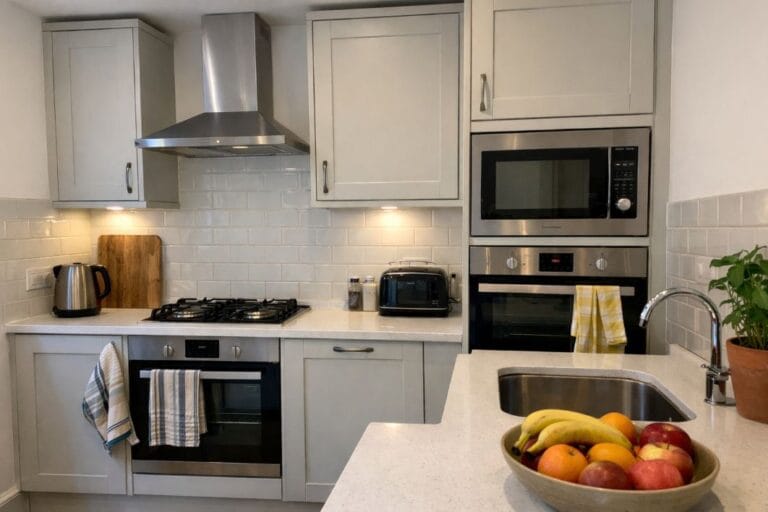
Completion is not just the day the protective film comes off the doors. A proper finish to the project includes inspection, snagging, paperwork, and some practical guidance on living with the new kitchen.
Snagging is a normal part of the process. Minor adjustments may be needed to hinges, silicone lines, paint finishes, alignment, or final fittings once everything is in place and the room has settled into use. A careful final inspection should distinguish between genuine defects and the small refinements that often accompany new installation work.
Handover documents matter more than they first appear. Depending on the scope of the project, homeowners may need appliance information, warranty terms, electrical certificates, Building Control sign-off, product care notes, and maintenance schedules. Keeping these in one handover pack is useful if any issue arises later or when the property is sold.
Aftercare is partly about support and partly about sensible maintenance. New kitchens benefit from a little attention in the first months, especially where timber, stone, sealants, or painted finishes are concerned. Daily habits can affect longevity.
Helpful points to keep in mind include:
- Follow care guidance for worktops, especially around heat, moisture, and cleaning products
- Report any fitting issues early, such as doors dropping slightly or movement in sealant
- Keep compliance certificates and warranty details with household records
- Check extractor performance and ventilation, particularly in kitchens with heavy daily use
Common oversights at completion are usually quite ordinary. A homeowner may focus on the visual finish and forget to ask for paperwork. An installer may leave appliance manuals in a drawer rather than explaining where they are. A small chip or adjustment can go unnoticed until the room is being used at full pace. Those details are easier to resolve when the handover is thorough and the project is still fresh in everyone’s mind.
Rethinking Kitchen Renovation: Avoiding Common Misconceptions
Kitchen renovation myths can distort expectations before the first decision is made. In Hertfordshire, where homes vary widely in age, size, and condition, those assumptions often fall apart once the project is properly assessed.
One common myth is that a new kitchen is mainly a cosmetic exercise. In reality, the visible elements sit on top of services, structure, ventilation, and layout planning. If those parts are ignored, a room can look fresh but work badly.
Another misconception is that speed should be the main sign of competence. A quick turnaround sounds appealing, yet compressed timelines can mean design choices are undercooked, approvals are skimmed over, or finishing details are squeezed. Consumer protection bodies and professional associations tend to place more value on proper documentation, compliant work, and clear accountability than on impressive promises about pace.
Disruption is also often misunderstood. A well-managed project can reduce disruption, but no serious kitchen renovation is completely effortless for the household. Temporary cooking arrangements, noise, dust, and restricted access are part of the experience. Good management does not erase those realities. Good management makes them more predictable.
Quality is sometimes treated as a luxury extra, even though it often shows up in practical ways that matter every day. Drawer runners that operate smoothly, well-planned lighting, properly sited sockets, durable work surfaces, and accurate installation all affect how the kitchen performs long after the excitement of the refit has faded.
A grounded view of renovation tends to serve homeowners best. The most successful projects are usually the ones approached with patience, clarity, and enough respect for the process to let good decisions take shape.