

Is a garage conversion in London worth the money and disruption?
A garage conversion in London can be worth it if the space is genuinely underused, the layout works, and the finished room solves a real need in the home. Cost, planning rules, parking loss, and build quality all matter, so the best results usually come from careful assessment rather than assuming every garage will add value.
London homeowners often look at a cold, cluttered garage and see the one part of the property that could work harder. In a city where extra square metres are expensive, converting existing space can feel more realistic than moving or building out.
That said, a London garage conversion is rarely a simple box-ticking exercise. Urban density, parking pressure, borough rules, and the quirks of older housing stock all shape what is practical.
- Space is expensive, so unused footprint attracts attention.
- Parking can be a bigger issue than it first appears.
- Older garages may need more structural and thermal work than expected.
- Borough-specific planning interpretation can affect timing and paperwork.
- Access, neighbours, and party wall issues can complicate the build.
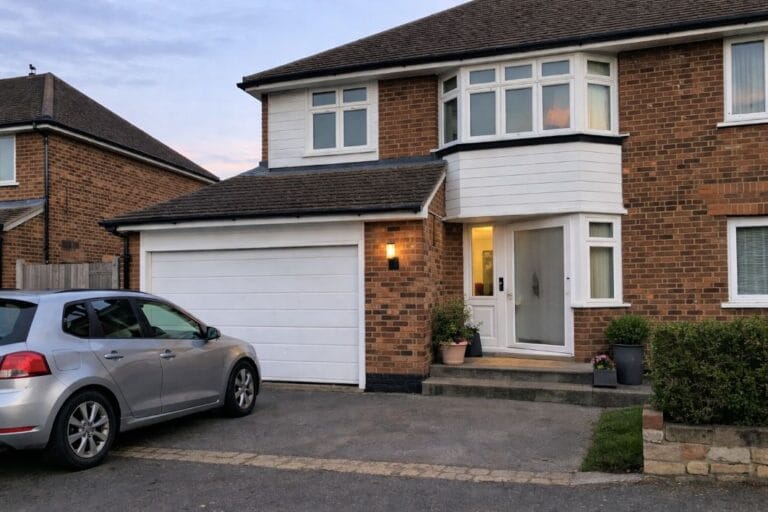
A detached garage at the side of a suburban house presents one set of options. A narrow integral garage in a North London terrace presents another. Flats also introduce extra layers, especially where lease terms, freeholder consent, or shared structure come into play.
Misconceptions are common. Some owners assume any garage can become a bedroom with minimal work. Others think planning permission is always required. The reality sits somewhere in the middle, and documents from the Planning Portal, local borough guidance, Building Regulations, and a surveyor or RICS professional can give a much clearer picture before money is committed.
Pro Tip: Investigate your borough’s specific planning rules early to prevent delays or unexpected costs during the design phase.
Petru Balbaie - Director at Compact Building Ltd
Is a Garage Conversion Worth It in London?
Worth depends on what you need the room to do and what you are giving up. For one household, losing a dumping ground for bikes and boxes is a small trade. For another, giving up secure off-street parking on a controlled street could hurt day-to-day life and resale appeal.
The strongest argument in favour is usually usable living space. A converted garage can become a home office, shower room, utility area, playroom, or guest bedroom without changing the property footprint. In compact London homes, that kind of gain can change how the whole house functions.
Resale value is more nuanced. Estate agents often look at whether the new room feels fully integrated, whether the frontage still looks right, and whether local buyers expect parking. In some streets, an extra internal room may be welcomed. In others, especially where parking is scarce, removing the garage may narrow the buyer pool.
Benefits and trade-offs
Benefits:
- Better use of existing space
- Less upheaval than some larger extension work
- Potential improvement in day-to-day living
- Chance to correct poor insulation and outdated layout
Trade-offs:
- Loss of storage or parking
- Upfront build and compliance costs
- Risk of an awkward room if design is rushed
- Possible tension with neighbourhood expectations
Area matters. A family house in outer London may benefit from an extra room if the garage has never been used for a car. By contrast, a home on a tight urban street may suffer if off-street parking disappears and no sensible storage replacement is planned.
Professional firms such as Compact Building Ltd often see the same issue at the start of these projects: owners focus on the new room but give less thought to what happens to everything currently kept in the garage. Once bins, tools, sports kit, seasonal storage, and laundry appliances need a new home, the practical case becomes much clearer.
Some conversions are simply poor candidates. Garages with very low floor levels, significant damp, difficult access, or legal constraints can still be converted, but the equation changes once extra remedial work enters the picture.
Pro Tip: List all current garage uses and storage needs before starting design to avoid problems with displaced items or functions.
Petru Balbaie - Director at Compact Building Ltd
What Does a Garage Conversion in London Actually Cost?
Costs vary widely in London because garages vary widely. A basic conversion of a sound integral garage with straightforward access will sit in a different bracket from a detached structure needing drainage, insulation upgrades, window openings, and a more polished internal finish.
The safest way to think about price is in layers: base construction, compliance, finishes, and contingency. That approach is more useful than focusing on one headline number.
What pushes the budget up or down?
- Size and layout of the garage
- Integral or detached construction
- Condition of walls, floor, and roof
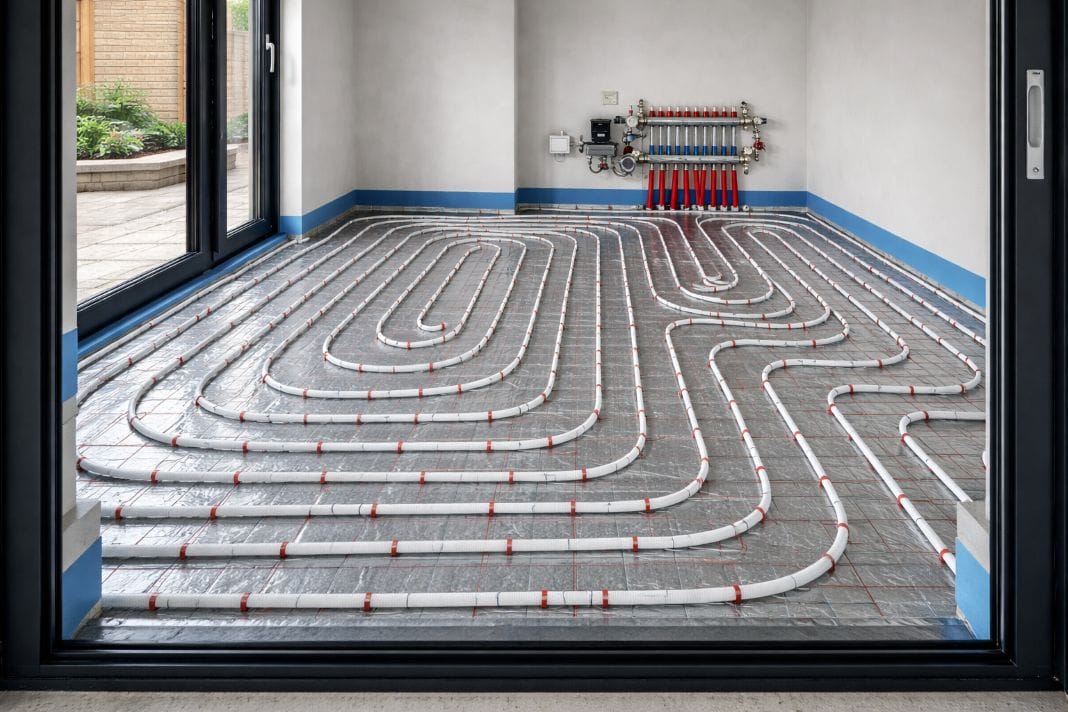
- Plumbing, heating, and electrics
- Window and door changes
- Joinery, flooring, and final finish level
- Professional fees, Building Control charges, and VAT where applicable
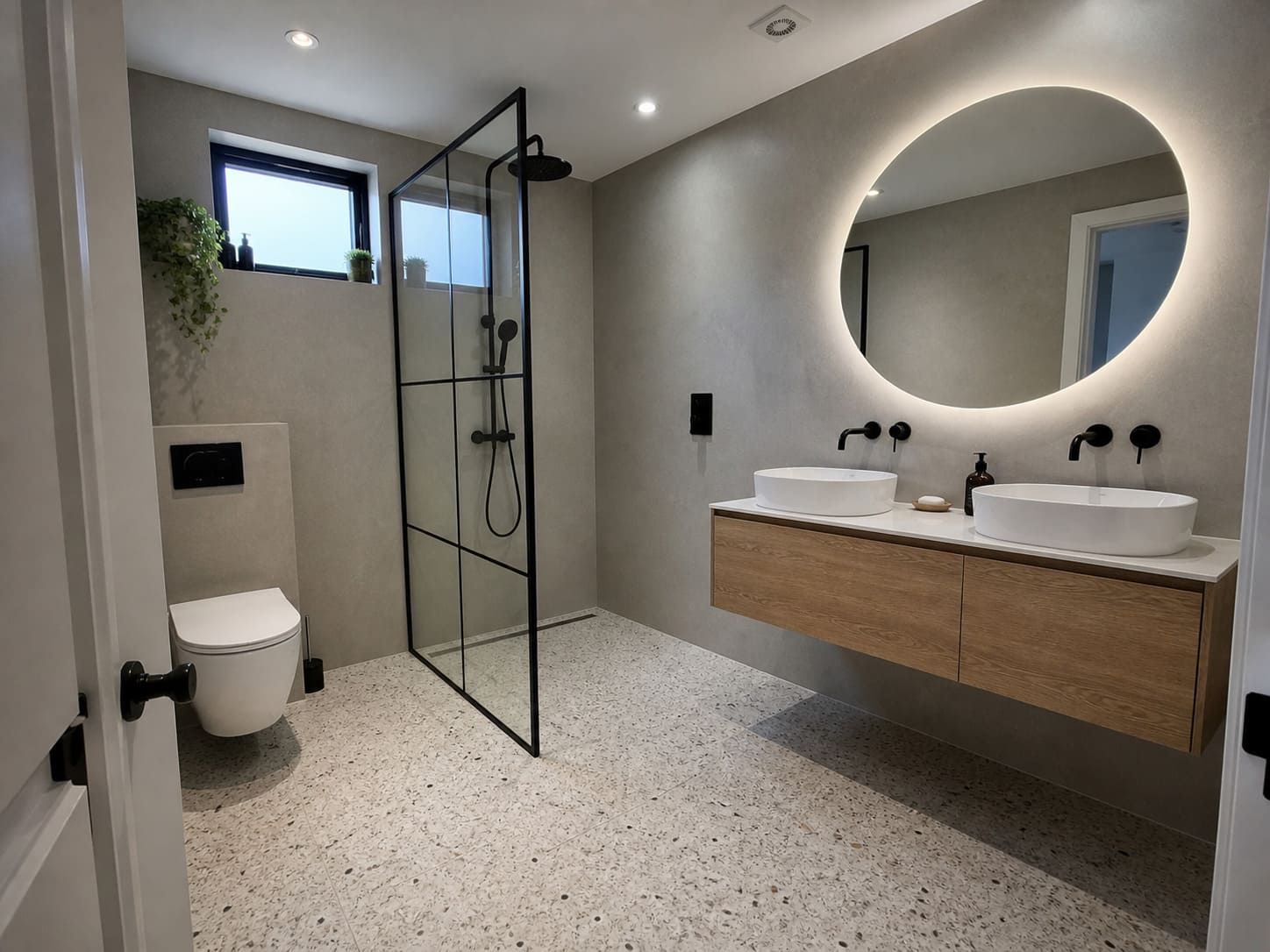
A modest scheme may cover insulating the envelope, replacing the garage door with a wall and window, raising or levelling the floor, first and second fix electrics, plastering, heating, and decoration. A higher-spec project may also include a shower room, bespoke storage, upgraded glazing, and more extensive external works to make the front elevation look coherent.
RICS guidance and local surveyors can help frame realistic renovation costs, but any broad benchmark should be treated carefully. London labour, logistics, parking restrictions, and material handling often push costs above expectations, especially in dense areas or where access is awkward.
Costs beyond the build itself
Homeowners often focus on visible construction and overlook softer costs. Those can include measured surveys, structural input, planning drawings if needed, Building Control fees, party wall matters in some cases, and temporary storage if the garage contents need to be moved out for longer than expected.
A transparent quote should separate major elements clearly. Look for line items that show preparatory work, insulation, structural changes, electrical and plumbing allowances, plastering, flooring, decoration, and any exclusions. Compact Building Ltd and similar renovation-led firms tend to stress this level of itemisation because it exposes assumptions early, which is far better than finding them halfway through the job.
Contingency also deserves a place in the budget. Garages can hide defects, especially in older London properties. Uneven slabs, patch repairs, damp ingress, poor drainage falls, and outdated wiring are all the sort of discoveries that alter cost once the shell is opened up.
Speak to a Garage Conversion Specialist
Planning Permission and Building Regulations: What You Need to Know
Compliance matters from the start, not after the room is finished. A garage conversion may look simple from the outside, but the legal and technical standards are what turn it into habitable space.
Some garage conversions fall under permitted development, but that is not universal. Rights can be limited by previous planning conditions, conservation area controls, Article 4 directions, listed status, or borough-specific restrictions. London borough councils do not all apply policy in exactly the same way, so local interpretation matters.
Building Regulations are separate from planning permission. Even if planning is not required, Building Regulations approval usually is.
Key areas Building Control will look at
- Fire safety under Part B
- Sound resistance in relevant situations under Part E
- Energy efficiency and insulation under Part L
- Ventilation
- Structural stability
- Drainage where plumbing is added
- Means of escape and safe access
Converting a garage often means upgrading walls, floor, roof, and openings to meet thermal standards for a habitable room. Fire protection can become more involved if the garage is integral and opens into the house. Where a bedroom or shower room is planned, ventilation and drainage need proper coordination from the outset.
A frequent misunderstanding is that replacing the garage door with a window and insulated wall is mainly a cosmetic change. Building Control will usually look much more detailed than that. Floor build-up, damp proofing, ceiling insulation, lintels, and escape routes may all come under review.
The Planning Portal gives a useful starting point, but it does not replace borough-specific advice or professional review of the property itself. A simple approval path on paper can become more involved once the actual construction is assessed, particularly in older homes.
Common Pitfalls and How to Avoid Them
Most garage conversion problems do not come from one dramatic error. They come from a series of small assumptions that stack up.
- Treating the garage as structurally ready for living space. Many garages were built to a lower standard than the main house. Floors may be thin, walls may be uninsulated, and roofs may need upgrading. Early checks by the right professionals, including structural engineers where needed, can stop unrealistic budgeting.
- Ignoring damp and ventilation. Garages often feel dry enough for storage but perform poorly as habitable rooms. Moisture, cold bridging, and stale air usually show up after occupation if the envelope is not dealt with properly.
- Underestimating disruption. Short projects can still be disruptive if the garage contains household overflow, appliances, or main service routes. Decanting storage and planning access should happen before work starts, not during demolition.
- Chasing the cheapest quote. A low figure can reflect omissions rather than efficiency. Missing items often include insulation thickness, heating upgrades, plaster finish, drainage work, or final decorations.
- Designing a room with no long-term flexibility. A single-purpose room can become a missed opportunity. Better schemes often allow for future changes, such as a study that can later work as a guest room or utility space.
Sequencing matters too. Professional project managers usually pay close attention to the order of structural work, first fix services, insulation, and finishes. If that order slips, quality problems can follow long after the builder has left.
Making the Most of Your Converted Space
The best garage conversions feel as though they were always part of the house. That usually comes down to proportion, light, storage, and a clear reason for the room to exist.
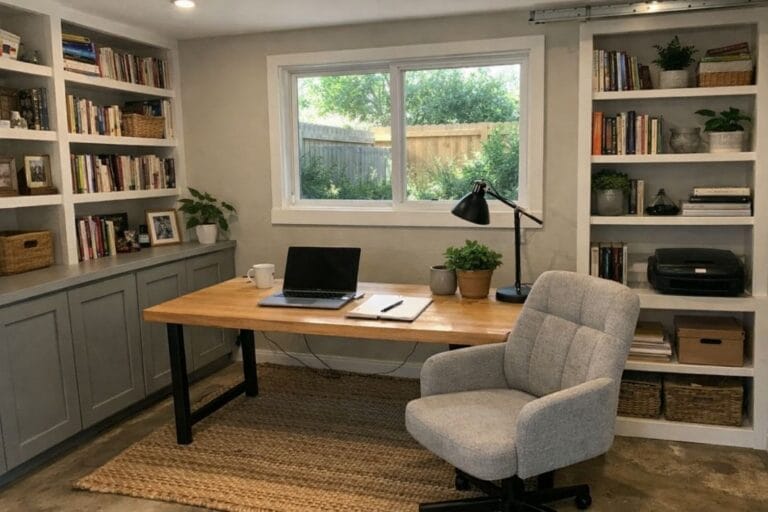
A home office remains one of the most practical options in London, especially where spare bedrooms are already spoken for. Good acoustic separation, reliable heating, and enough built-in storage for paperwork or equipment can make a relatively small room work much harder than a larger but poorly planned one.
Guest accommodation can also make sense, but only if the room does not feel cut off. A shower room nearby, decent privacy, and sensible circulation back into the main house matter more than decorative flourishes.
Design moves that improve a small converted garage
Bringing in natural light is often the first upgrade worth considering. Front-facing windows, side windows where possible, rooflights in detached structures, and glazed internal doors can all reduce the boxed-in feel that some garage rooms suffer from.
Storage needs to be deliberate. London property stylists and space planning specialists often favour built-in joinery over freestanding furniture in compact rooms because it preserves floor area and makes daily use easier.
Flexibility should be planned in quietly. A room with strong lighting, enough sockets, and concealed storage can shift from office to occasional bedroom or hobby space without major rework.
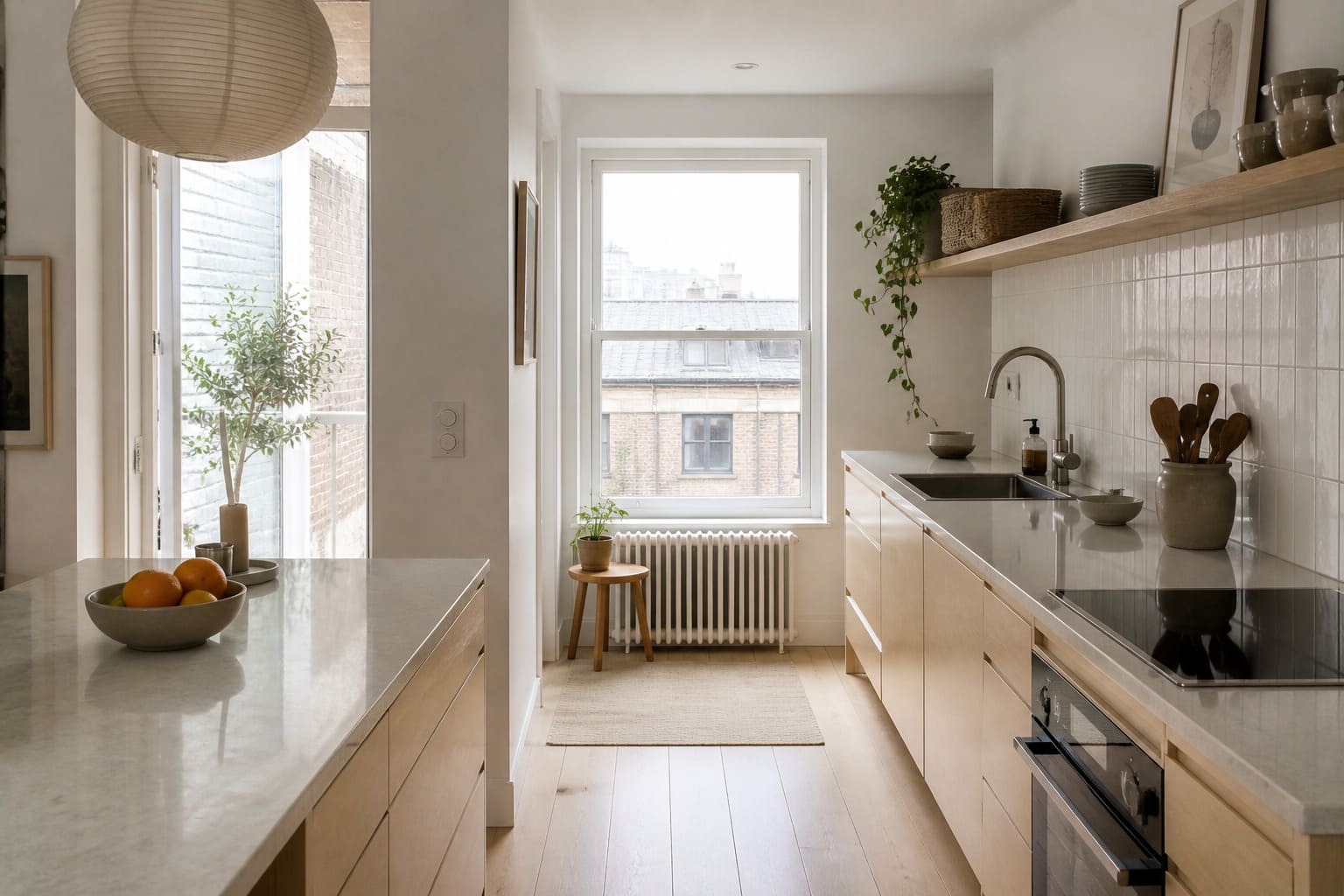
Integration with the rest of the house deserves equal attention. Matching floor levels where possible, choosing doors and skirting that sit comfortably with the existing interior, and making the heating system feel consistent can stop the conversion from feeling like an afterthought. In practical terms, the best compliment a converted garage can receive is that nobody notices where the old boundary used to be.
Garage Conversion in London: Key Takeaways and Common Misconceptions
Garage conversions suit London because they use existing footprint in a city where every metre counts. Even so, suitability, cost, parking, and compliance all need proper scrutiny before the idea earns a firm yes.
A few points are worth keeping in view:
- A garage conversion is not automatically good value. It works best where the lost garage function is genuinely less useful than the new room.
- Planning permission is not always needed, but Building Regulations approval usually is.
- A garage that stores a car on paper may actually function as household storage in reality, which changes the design brief.
- Older garages can require substantial upgrades before they feel like part of the home.
- Quality of planning and project management has a direct effect on comfort, finish, and long-term satisfaction.
One common myth is that these projects are quick cosmetic alterations. Another is that any converted garage will increase property value. A third is that disruption will be minimal because the work sits outside the main house. None of those assumptions holds up consistently across London housing stock.
The more accurate view is simpler. A well-planned garage conversion can be a sensible way to improve everyday life and make better use of a constrained home. A rushed or weakly specified one can leave the owner with an expensive room that still feels like a former garage. Thoughtful assessment at the start usually makes the difference.