

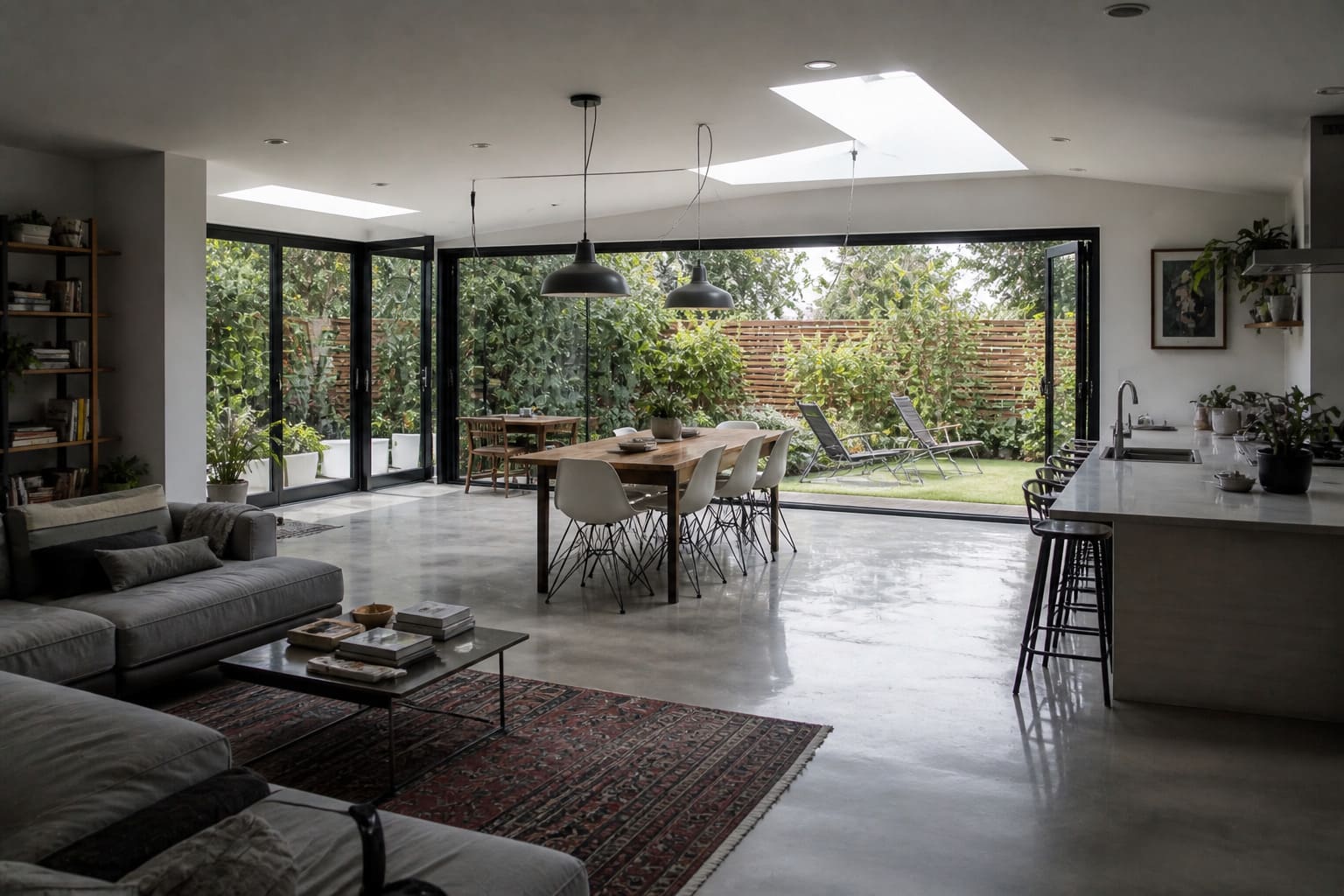
Are wraparound extensions in London a practical way to gain space?
Yes, for the right property. A wraparound extension combines a side return with a rear extension to create a larger ground-floor footprint, which can work especially well in London homes with narrow side passages and limited garden depth. The practical value depends on layout, planning context, access and budget, so suitability varies far more than many homeowners expect.
What Is a Wraparound Extension and Why Do London Homes Consider Them?
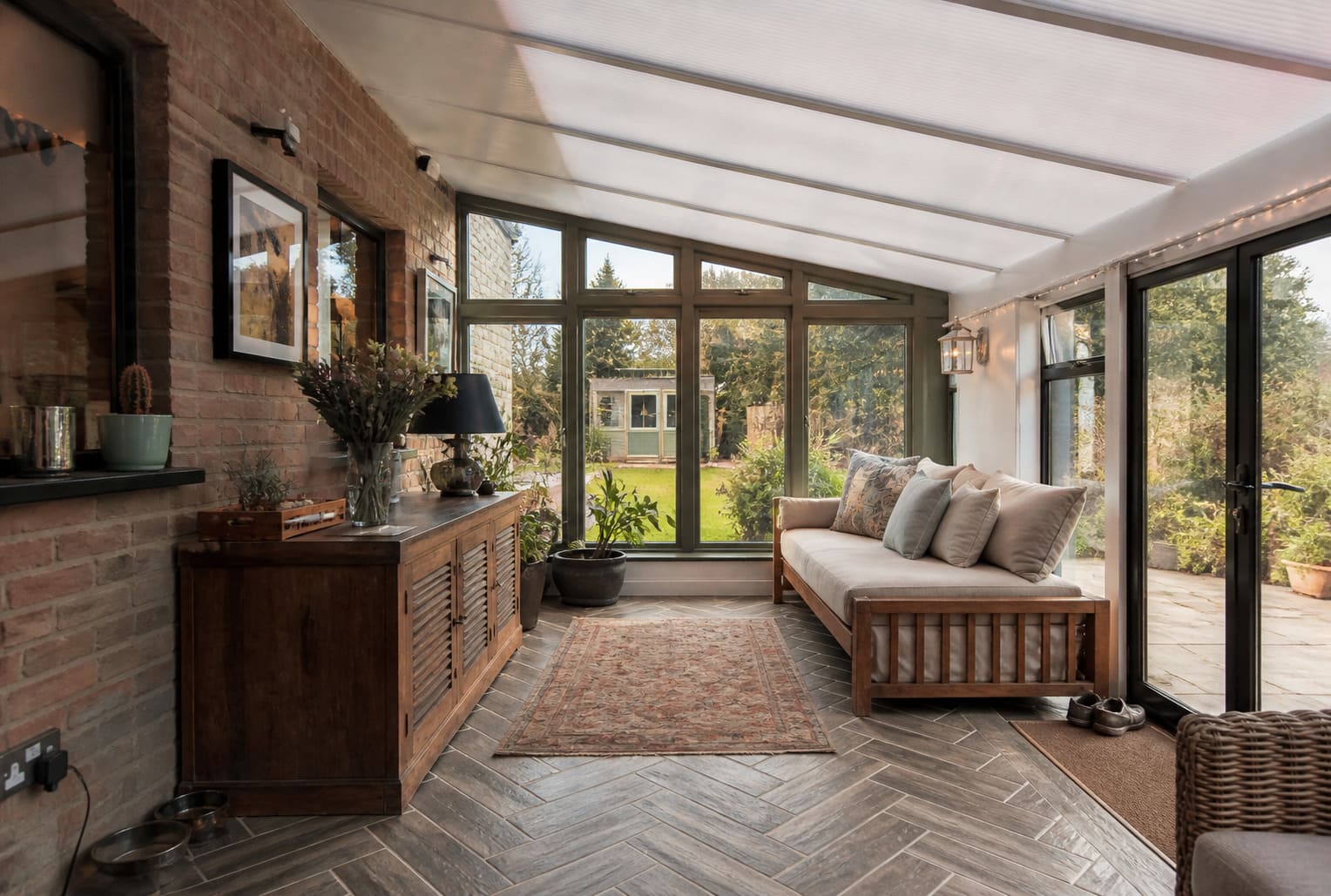
A wraparound house extension joins two familiar ideas. One part fills the side return, which is often the narrow strip of land beside a period property. The other part projects into the rear garden. Together, they form an L-shaped addition that can change how the whole ground floor works.
In London, that layout has obvious appeal. Many Victorian and Edwardian houses have cramped kitchens at the back, disconnected dining rooms and awkward circulation through several small spaces. A side and rear extension can bring those rooms together and create an open-plan design with better daylight and a clearer connection to the garden.
Space efficiency matters more in dense parts of the capital because moving is expensive and plots are tight. A London home extension often has to do more with less, which means that every square metre must justify itself. A wraparound design can make the old footprint feel less fragmented instead of simply making the house larger.
That does not make it the right answer for every address. Some homes do not have a usable side return. Some plots lose too much garden if the rear element goes too far. Flats, many leasehold homes and properties in certain London boroughs can face added restrictions before design ideas even reach the planning stage.
Firms such as Compact Building Ltd are often brought in because the appeal of this type of urban property extension sits alongside real logistical pressure, including Building Regulations, neighbour proximity, access for materials and borough-specific planning rules.
Speak with our experienced team to explore whether a wraparound extension is right for your London property. Get tailored feedback on feasibility and design.
Book a ConsultationHow Much Do Wraparound Extensions in London Typically Cost?
A wraparound extension cost in London usually sits well above the figure many homeowners first have in mind. Broadly, projects can start in the tens of thousands and move into six figures once structural work, glazing, kitchen fit-out and higher specification finishes are included. London extension price levels tend to reflect both the build itself and the difficulty of carrying it out in a constrained urban setting.
Several factors shape that final number:
- the size of the side return and rear extension combined
- the quality of finishes, glazing, flooring and kitchen specification
- structural requirements such as steels, drainage changes and ground conditions
- site access, waste removal and the ease of bringing labour and materials in
- planning, professional fees, building control charges and VAT
Specification has a bigger effect than many people expect. Two projects with a similar footprint can land in very different budget ranges if one includes large-format sliding doors, rooflights, bespoke joinery and upgraded heating, while the other keeps to a simpler internal fit-out. Cost per square metre is useful for rough planning, but it can hide a lot of build-up costs when the brief becomes more ambitious.
Site conditions in London also push prices upwards. A house with no rear access may need materials carried through the property. A home on a tight terrace may need more time for deliveries, waste removal and neighbour-sensitive working practices. Labour costs in the capital are another reason standard national averages often feel detached from reality.
Property type plays a part as well. A 1930s semi with easier access and a wider plot can be more straightforward than a Victorian terrace with drainage under the proposed build area and limited room for machinery or storage. Once foundations, drainage diversions or structural alterations become more involved, home extension budget assumptions can shift quickly.
The Royal Institution of Chartered Surveyors offers useful market context, but no published guide can price an individual scheme with much accuracy. Clear cost estimates for a wraparound project depend on scope, drawings and a quote that separates core construction from allowances for finishes. That level of detail is often where transparent pricing earns its value.
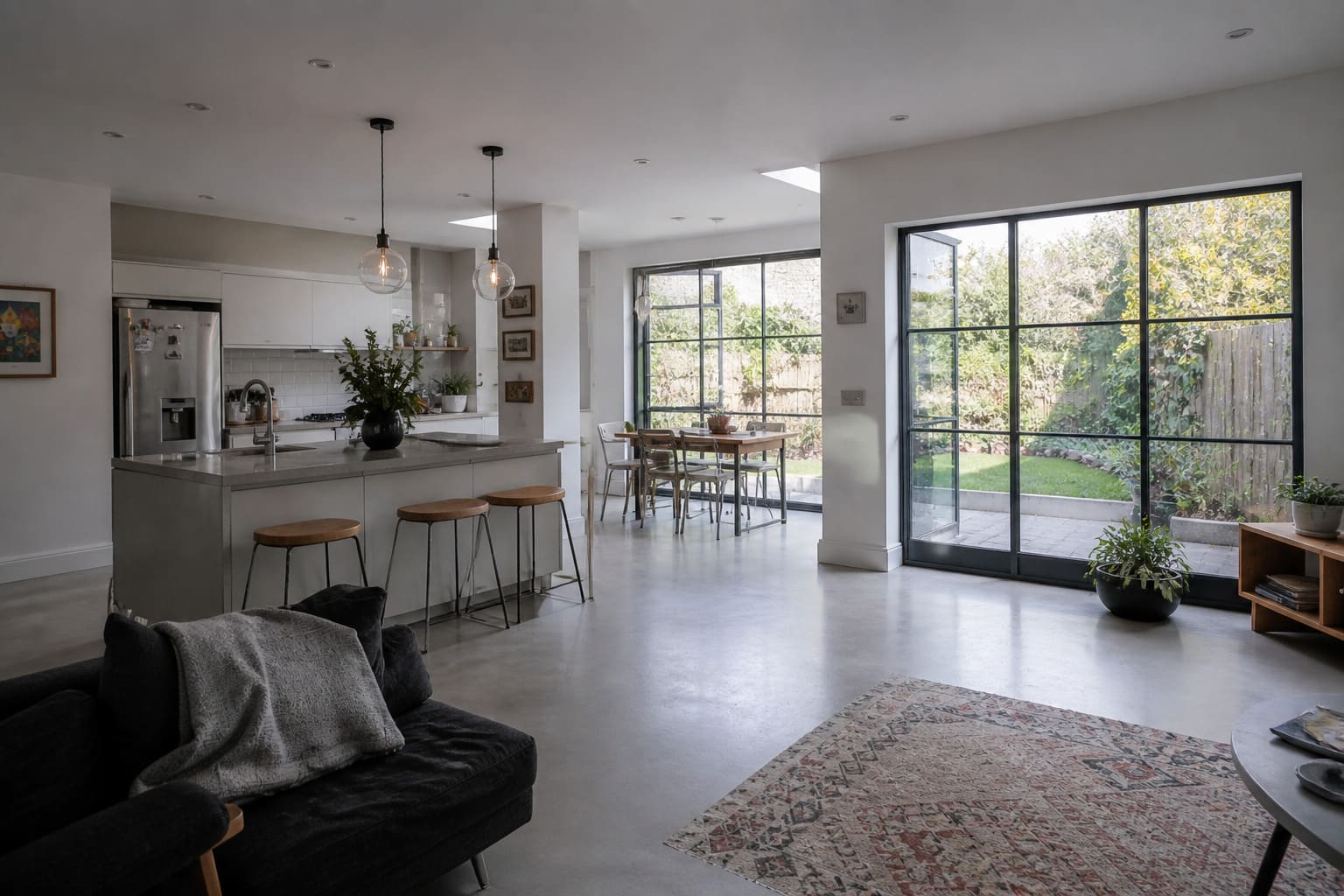
Consult your local planning authority’s specific guidelines before appointing an architect to save time and reduce redesigns.
What Planning Permission Realities Do London Wraparound Extensions Face?
Planning for a wraparound extension in London is rarely simple. Local planning authorities across the capital apply their own policies, and the surrounding context matters a great deal, including street character, neighbour impact, materials and whether the property sits in a conservation area.
Some extensions fall within permitted development rights, but wraparound schemes often do not. The side element is one reason, because side extensions can trigger tighter limits than a basic rear addition. Once a proposal goes beyond those limits, or the property has restricted rights, a full planning application may be required.
Neighbour relationship is another major issue. London homes sit close together, so privacy, daylight and outlook can all become part of the planning risk. A rear projection that seems modest on paper may still raise concern if it affects adjacent windows or feels overbearing in a small garden setting.
Design quality matters too. Borough officers may focus on roof form, glazing proportions, external materials and how the extension meets the original house. Under the wider London Plan and local guidance, a proposal that feels awkward or overdominant can struggle even if the extra space seems reasonable from the owner’s point of view.
Take a typical terrace in a conservation area. The homeowner may assume the side return is hidden enough to avoid issues, yet the rear extension could still be scrutinised for brick choice, rooflights, visibility from neighbouring properties and loss of historic character. That kind of detail catches people out far more often than the basic question of size.
Planning permission for a wraparound extension also sits alongside other obligations. The Party Wall Act may apply if work affects shared walls or boundaries. Building control approval is separate from planning and deals with structural safety, insulation, drainage and fire considerations. One approval does not replace the other.
Professional planning support cannot promise consent, and no honest adviser should suggest otherwise. Still, careful design work and early reading of borough policies usually produce a stronger application than relying on assumptions from another street or another part of the country.
Which London Properties Are Actually Suitable for Wraparound Extensions?
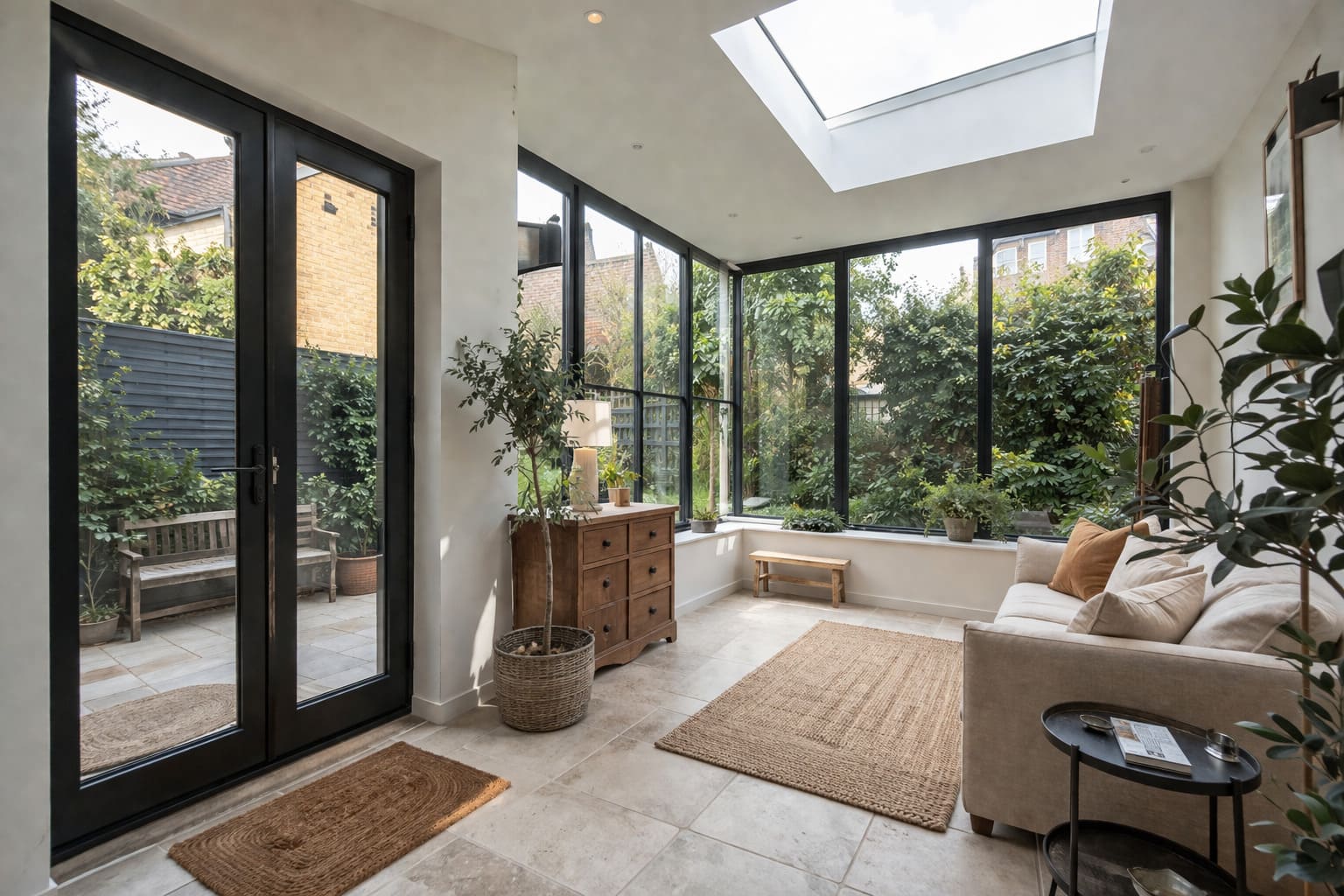
Suitability comes first. A wraparound design can transform one house and make little sense on the next, even if both sit on the same road.
The main checks usually include:
- whether the property has a genuine side return and enough rear space to extend without swallowing the garden
- whether the existing layout and structure can accommodate the new opening-up work
- whether boundaries, shared access or party wall conditions limit what can be built
- whether the home is freehold or leasehold, and whether any consent from others is needed
- whether the house sits in a planning context that restricts scale, materials or form
Victorian terrace houses often come up in discussions because many have the side strip that makes a wraparound extension possible. Even so, not every terraced house extension in London works well as a wraparound. Some side returns are too narrow to add meaningful value. Others create a better result with a simpler rear extension and smarter internal reconfiguration.
Edwardian homes can offer more width and a slightly easier starting point, while 1930s semis may provide better access and more flexible plots. On the other hand, period properties can include heritage features, chimney breasts, old drainage routes and structural quirks that complicate the design. Character does not block change by itself, but it often shapes what is feasible.
Leasehold status needs early attention. A lease may restrict alterations or require consent from a freeholder. Shared side passages can also affect feasibility wraparound extension plans, particularly where access rights are unclear or neighbours depend on the same route for bins, bicycles or maintenance.
Structural feasibility is another issue that is easy to underestimate. Removing large sections of rear wall to create open-plan living usually requires careful structural design, and existing foundations may not match the proposed build. Drain runs, manholes and changes in floor level can alter both cost and layout options before work even starts.
A proper assessment looks at more than footprint alone. Building control requirements, property boundary conditions and how the extension will actually be used all matter. A project that looks suitable on a sketch can unravel once survey information and access realities are brought into the picture.
Access a detailed guide covering cost breakdowns for wraparound extensions in London, including tips for accurate project budgeting.
Get the Cost GuideWhat Is the Most Common Misconception About Wraparound Extensions in London?
The most common misconception is that a wraparound extension is a straightforward upgrade for any London house with a side passage and a bit of garden.
That assumption misses the real issue, which is project challenge. A house may look suitable from the outside, yet the scheme can still be shaped by planning refusal risk, awkward drainage, structural intervention, neighbour constraints or a budget that no longer fits the intended finish level. Side and rear extensions often appear simple because the idea is easy to picture, but the delivery rarely is.
Consider two neighbouring homes with similar footprints. One may have clean access, clear permitted development rights and a layout that opens up neatly. The other may sit in a conservation area, share a sensitive boundary, rely on a leaseholder consent process and need extensive structural steelwork to achieve the same visual result. From the pavement, they can seem almost identical.
The safer view is less dramatic and much more useful: a wraparound extension is not automatically the best option just because it is popular. Many homeowners are glad they did not assume that more extension always means a better outcome.