

Are side return extensions in London a practical way to gain space without moving?
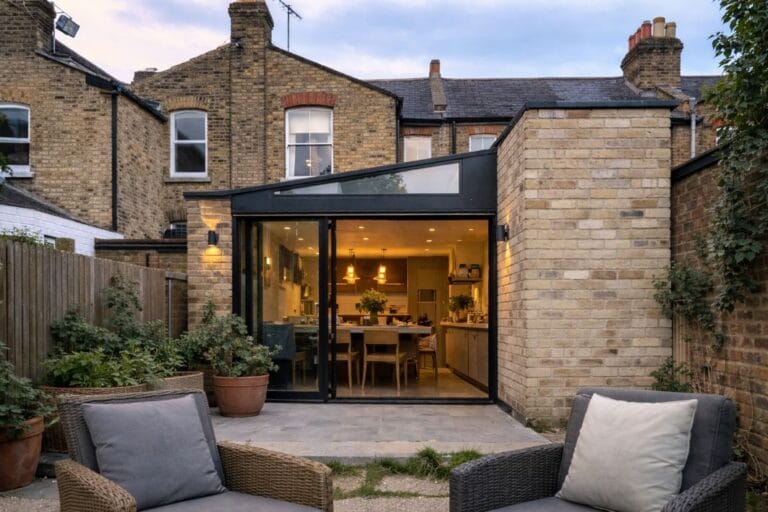
Yes, in many London homes they are. A side return extension uses the narrow strip of land beside a rear room, most often in Victorian or Edwardian terraces and some semi-detached houses, to widen the kitchen or kitchen-dining area. Done well, it can improve layout, light and day-to-day flow without the footprint of a full rear or wraparound extension, although suitability, cost and timing depend heavily on the property, the borough and the condition of the existing house.
Side return extensions are especially common in London because so much of the housing stock was built with a small outdoor passage running alongside the back room. In practical terms, that passage often feels too narrow to use well, yet wide enough to transform the inside once enclosed. A modest strip of extra width can change how a ground floor works, particularly in compact period properties where the original kitchen sits in a dark rear corner.
A side return extension is different from other extension types in a few key ways:
- A rear extension projects further into the garden and increases depth.
- A side return extension fills in the side passage and increases width.
- A wraparound extension combines both, which means that it gives the largest gain but usually brings higher cost, more design challenge and greater impact on outdoor space.
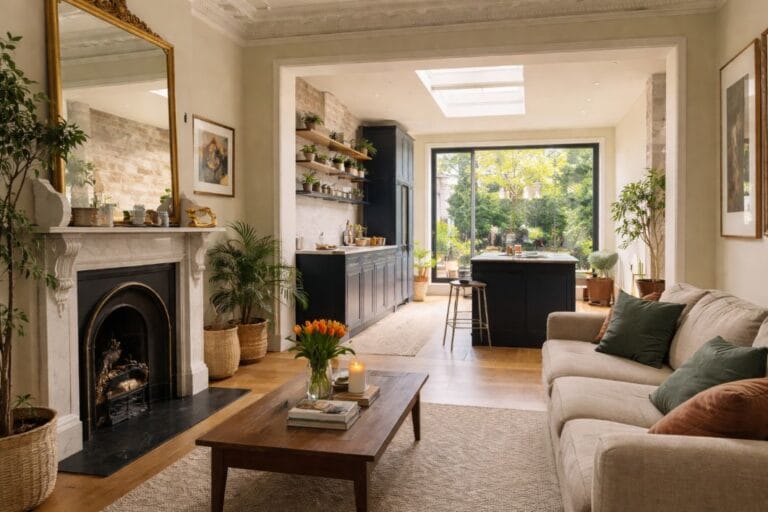
Many homeowners assume the space gained will be too small to justify the disruption. In London terraces, that is often the wrong measure. An extra metre or so across the back of the house can be enough to fit a proper dining area, an island, better storage or a clearer route into the garden. The improvement is often about shape and usability, not headline square metres.
Light matters just as much as floor area. A poorly planned side infill extension can darken the centre of a period property, especially if the original side windows are lost. Roof glazing, light wells and careful internal layout often make the difference between a room that feels flat and one that feels calm and open. RIBA guidance and experienced designers tend to focus on this point for good reason, because London homes are often tight on natural light to begin with.
Urban density also changes the picture. Property boundaries are close, neighbours are near, and London Borough Councils apply planning policy in a context where overlooking, materials and scale can all matter. Building Regulations, drainage routes and the Party Wall Act also appear early in side return projects, whereas a simple decorating job might never touch them.
Pro Tip: Ask your contractor to include a transparent breakdown of what is and is not included in every quote to avoid surprises later.
Petru Balbaie - Director at Compact Building Ltd
What side return extensions in London typically cost
Most London side return extensions sit in a range that reflects far more than the basic shell. The build cost alone is one figure, but the all-in project budget usually includes design fees, structural input, permissions, VAT, fittings and a contingency for hidden issues in older houses.
A simple side return extension cost in London may look manageable at first glance, then shift once structural steel, glazing and internal remodelling are added. Removing walls, relocating a kitchen, renewing drainage or upgrading electrics can alter the budget significantly, even if the extension footprint itself stays modest.
Typical cost components include:
- Main construction works, such as foundations, brickwork, roofing, insulation, doors, windows and plastering
- Structural changes, including steel beams, knock-throughs and any work to existing walls
- Professional fees for architects, structural engineers, planning input and Building Control
- Interior costs, such as kitchen units, flooring, lighting, decoration and appliances
- External and site costs, including drainage alterations, waste removal, skip permits and making good to the garden
- VAT and contingency, which are often underestimated in early budgeting
Specification choices have a large effect on London extension prices. Large-format sliding doors, slim-framed rooflights, bespoke joinery and premium finishes can move the total quickly. By contrast, a restrained material palette and sensible kitchen specification may keep the overall figure more stable without making the finished room feel basic.
Existing condition also matters. In period properties, unforeseen works are common enough to budget for from the start. Rotten timbers, outdated pipework, shallow drainage runs or signs of previous poor alterations can appear once floors are opened up. Quantity Surveyors often advise treating contingency as part of the real budget rather than an optional buffer.
Quoting style makes a difference as well. Some firms present a low base number that excludes obvious later decisions, whereas clearer pricing sets out what is and is not included from the outset. Compact Building Ltd is one example of a London contractor that places value on detailed quoting and project planning, which is often where homeowners get a truer sense of likely spend.
The most common budget mistake is focusing only on cost per square metre. A side return extension may be small, but it can involve intensive structural work in a confined urban site, and that can make the cost to extend a side return higher per square metre than a larger, simpler extension on an easier plot.
Pro Tip: Consider daylight and storage needs early during design to avoid costly compromises after building starts.
Petru Balbaie - Director at Compact Building Ltd
How long side return extensions take in London
A straightforward side return extension in London often takes several months from early design to completion, and the build phase is only part of that timeline. Planning, drawings, structural design, party wall matters, lead times for materials and borough response times all affect the overall schedule.
From planning to completion, the process often looks something like this:
- Initial design and measured survey, followed by drawings and budget alignment
- Planning assessment, if needed, or confirmation that permitted development may apply
- Technical drawings, structural calculations and Building Regulations preparation
- Party wall notices and any surveyor involvement where shared boundaries are affected
- Pre-construction ordering, scheduling and site setup
- Construction, followed by inspections, snagging and sign-off
Construction itself may run for a number of weeks or longer depending on challenge. A modest side infill extension with limited internal changes can move more quickly than a project involving a full kitchen relocation, extensive steelwork or difficult access through a terraced house. Once sequencing becomes awkward, the calendar stretches. Foundations cannot be rushed, steel installation depends on prior preparation, and plastering, flooring and kitchen fitting all rely on earlier trades finishing in the right order.
London adds its own delays. Local Planning Authorities can have varying workloads, party wall agreements can take time if neighbours need their own surveyor, and deliveries may be constrained by narrow roads or parking restrictions. A project manager earns their place here by coordinating decisions early, ordering long-lead items in time and reducing gaps between trades.
Living arrangements often depend on scope. Some households stay in place during a side return extension, especially in the earlier stages. Others move out for part of the build if the kitchen is removed, dust levels rise or access through the house becomes too disruptive. A family in a narrow terrace with one main living space usually experiences the work very differently from an owner of a wider semi with a separate front room.
Delays are most likely when decisions are left too late. Choosing glazing after the opening sizes are fixed, changing the kitchen layout once first-fix services have started or waiting on party wall paperwork can all add days or weeks in ways that are frustrating precisely because they are avoidable.
Download Our Side Return Extension Checklist
Is your London home suitable for a side return extension?
Suitability starts with the house shape, but it does not end there. A side return extension works best where a property has an unused or underused side passage at ground floor level and where the resulting internal layout genuinely improves daily life.
Victorian and Edwardian terraces are the classic candidates, particularly where the rear kitchen sits in a narrow outrigger. Some semi-detached homes suit this type of London home extension as well, although side access, boundary conditions and roof form can all affect the design. Flats are a different matter entirely because ownership structure, lease terms and shared building issues usually make the route more complex.
Several factors are worth assessing early:
- Width of the side return and whether the gain will materially improve the room
- Existing layout and whether the extension solves a genuine bottleneck
- Planning constraints, especially in conservation areas or listed buildings
- Shared boundaries and whether party wall procedures are likely to apply
- Drainage runs, manholes or services that may sit in the proposed footprint
- Light access, both for your home and for adjoining properties
If the house sits within one of London’s conservation areas, external appearance may matter more than owners expect. Materials, roof form and glazing choices can come under closer review, and some boroughs are stricter than others. A listed building demands more caution again, because even apparently modest changes may need formal consent.
Drainage is one of the most overlooked points in side return feasibility. Many older London houses have drainage runs crossing the side passage, and some may involve Thames Water considerations if a public sewer is affected. Moving or building over drains is possible in some cases, but it needs to be identified before the budget and programme are treated as firm.
Neighbour relationships also affect suitability in practical terms. Shared boundaries, access needs and wall positions can shape the build from day one. A scheme that works neatly on paper may become awkward if excavation is tight against a party wall or if scaffolding and material handling have very limited room.
A quick visual check is useful, but a reliable answer usually depends on seeing the house as a whole. The width gained, the amount of retained garden, the location of drains and the effect on daylight all need to line up for the extension to feel worthwhile rather than merely possible.
Planning permission, regulations, and neighbour considerations
Many side return extensions in London can fall within permitted development rights, but that is never a safe assumption without checking the property and the borough context. Previous extensions, conservation area rules, flat conversions and listed status can all change what is allowed.
Planning permission and Building Regulations do different jobs. Planning looks at whether the extension is acceptable in principle, including size, appearance and impact on neighbours. Building Regulations deal with how the work is constructed, including structure, insulation, fire safety, drainage and ventilation. One does not replace the other.
The Party Wall Act often enters the picture because side return extensions are commonly built close to or on shared boundaries. Notices may be needed if work affects a party wall, involves excavation near a neighbouring structure or cuts into a shared element. Party Wall Surveyors can help formalise the process, although the timescale depends partly on how quickly neighbours engage.
Neighbour concerns are often less dramatic than people fear, but they do need handling sensibly. Loss of light, disruption, noise and access worries tend to come up first. Early, plain communication usually goes further than technical language. A neighbour who knows when demolition starts and how waste will be managed is generally in a better position than one who first learns about the scheme from a notice on the wall.
Building Control inspections run through the project at key stages. Foundations, drainage, structure and final completion all need proper sign-off. Those certificates matter later, especially if the property is sold, remortgaged or reviewed by a solicitor.
One common pitfall is treating permitted development as a shortcut that removes all process. It does not. Even where a formal planning application is unnecessary, the work still has to comply with Building Regulations, and party wall obligations may still apply. Firms such as Compact Building Ltd, which have experience of London borough procedures, tend to plan these parallel tracks early because they affect both timetable and cost in very practical ways.
What to expect during the build: disruption, access, and project management
On the first noisy week of a side return extension, the house usually feels smaller before it feels bigger. Dust barriers go up, materials begin arriving, and the route through the home may change from one day to the next. That can be unsettling, especially in a London terrace where every room already works hard.
Disruption is real, even on a well-run project. Noise, vibration, temporary loss of kitchen use and builders moving through the house are all common. Good preparation does not remove these issues, but it can make them more manageable.
Access is one of the main London-specific pressures. In many terraced homes, the only route to the rear is straight through the house. Waste has to be carried out internally, deliveries may need careful timing, and skips sometimes require permits from the local council. Narrow streets, controlled parking and neighbour proximity all shape site logistics in ways that suburban extension advice often overlooks.
A few practical realities tend to matter most:
- Working hours and delivery windows may be limited by local conditions or council rules
- Temporary kitchen arrangements are often needed if the main kitchen is stripped out
- Storage inside the house can shrink because rooms become holding areas for furniture and belongings
- Daily cleaning standards vary, so expectations should be discussed before work begins
Sequencing has a direct effect on stress levels. If drainage is resolved before slab work, structural openings are timed correctly and first-fix services are coordinated before plastering, the build tends to feel purposeful rather than chaotic. Poor sequencing creates the opposite experience, with repeated revisits and avoidable disruption.
Communication is part of project management, not an optional extra. Homeowners usually cope better when they know what is happening this week, what decision is needed next and which parts of the house will be affected. Building Control visits, inspections and delivery dates all become easier to absorb when someone is keeping the programme coherent.
The calmest projects are rarely the quietest. They are the ones where site access, waste removal, trade coordination and household routines have been thought through in enough detail that everyday problems do not keep becoming fresh surprises.
Beyond the build: maximising value and avoiding regret
The best side return extensions in London improve how the house feels every day, not just how it photographs once finished. Extra width should lead to better movement, stronger natural light and a layout that makes ordinary routines easier.
Regret often comes from small decisions made too late. A beautiful glazed roof can still disappoint if storage is squeezed out, and a large open-plan room can feel awkward if furniture placement was never considered during design. Interior designers and architects who know period property extension work usually pay close attention to these practical points because they shape long-term satisfaction more than trend-led finishes do.
Several choices tend to repay careful thought:
- Keep daylight in focus by balancing roof glazing, wall openings and internal sightlines.
- Protect usable storage so the new space does not push clutter into the rest of the house.
- Match the extension to the scale of the home and garden rather than chasing maximum footprint.
- Choose materials and fittings that will wear well and stay easy to maintain.
Resale value matters in the London property market, but day-to-day liveability matters first. An extension that leaves the garden too shallow, creates overheating in summer or forces awkward circulation can feel less successful over time, even if the floor area looks impressive on paper. Building Control compliance and sound construction standards protect the asset, yet layout quality is what most owners notice every morning.
Future-proofing can be quiet and sensible. Wider door openings, durable flooring, enough sockets, thoughtful lighting zones and room for integrated appliances all support a home that adapts well over the years. Those details rarely dominate mood boards, although they often shape whether the finished room still feels right five winters later.
A side return extension usually works best when ambition stays tied to the way London homes are actually used. More space is useful, but better proportion, better light and better flow are what turn a narrow leftover strip into a room that earns its place every day.