

What’s the difference between a bathroom renovation and refurbishment?
Refurbishing a bathroom means updating what you already have, such as new tiles, taps and paint, without altering the structure or layout. Renovating is more extensive and typically includes plumbing changes, electrical rewiring, layout modifications or construction work. Understanding the difference helps you avoid unnecessary costs and make a more informed decision about your bathroom project.
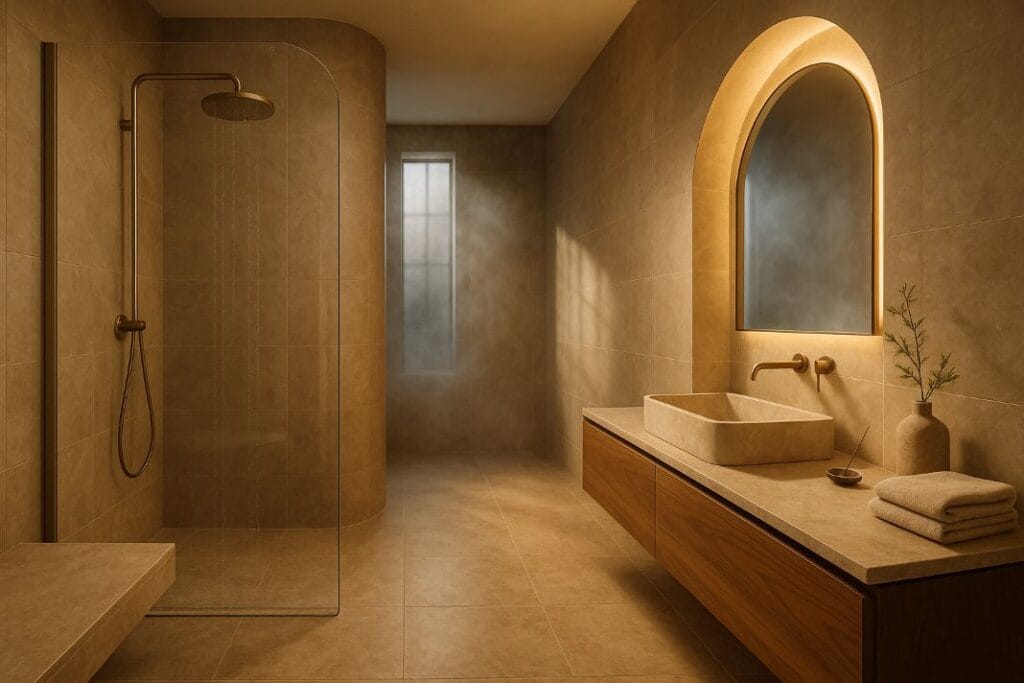
Pro Tip: Always check for signs of hidden moisture before starting a bathroom refurb.
Petru Balbaie - Director at Compact Building Ltd
Renovate or Refurbish? Making the Right Call for Your Bathroom
Your bathroom feels tired, but do you need a complete overhaul or just a visual refresh? Many UK homeowners are unclear about where refurbishment ends and renovation begins. With 2025 home improvement costs on the rise, choosing the wrong route could lead to overspending or ongoing issues.
This guide clears up the confusion. It explains the differences, outlines typical UK bathroom upgrade costs and includes a practical decision checklist. By the end, you’ll know whether a light update or a deep renovation better suits your goals.
What Counts as a Bathroom Refurbishment?
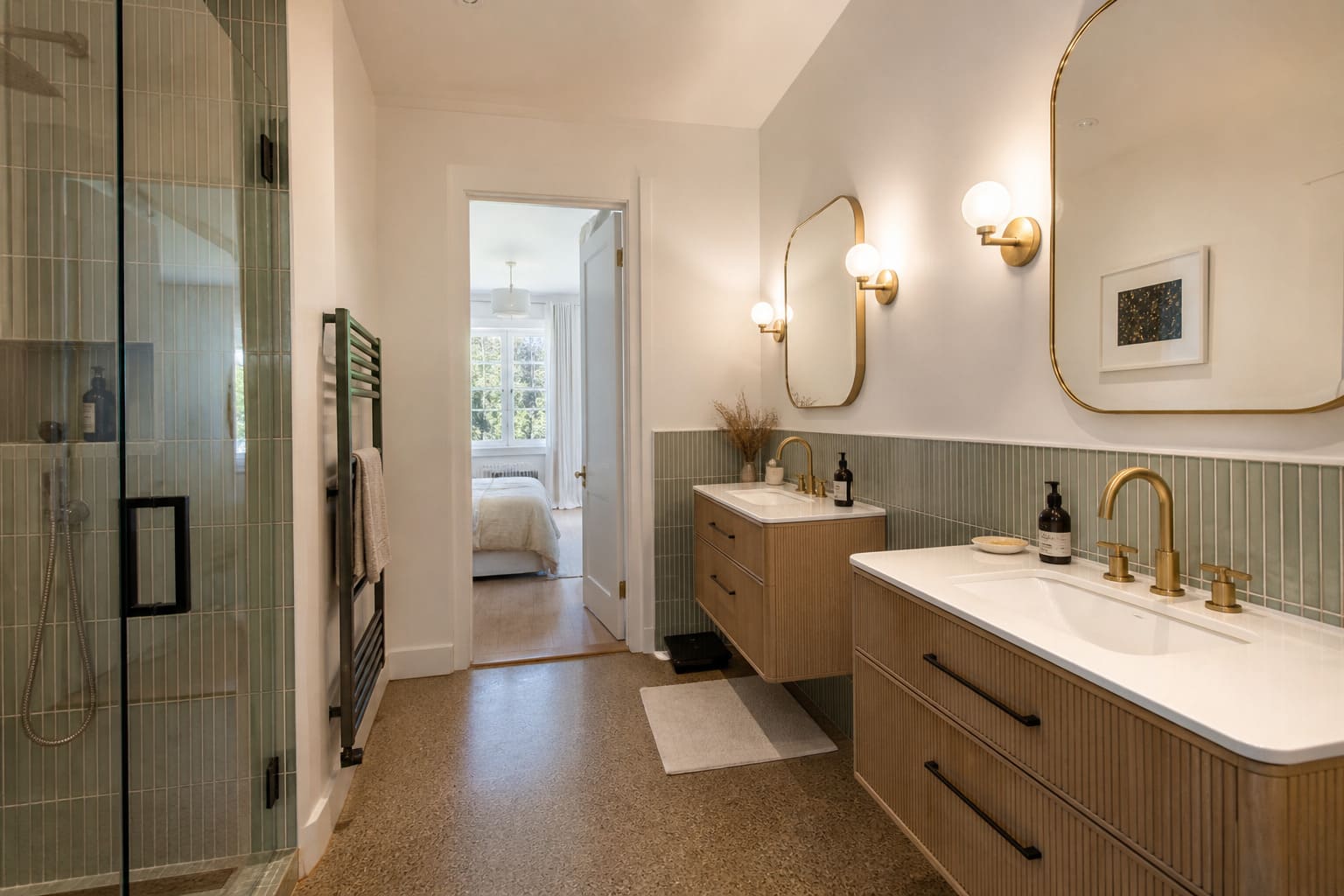
A bathroom refurbishment focuses on making surface-level improvements that refresh the appearance of your space without changing its layout or structure. This typically involves tasks such as painting or retiling walls, replacing taps, showerheads, or lighting fixtures, upgrading mirrors and vanities, and regrouting or resealing wet areas. These cosmetic changes can significantly improve the look and feel of a bathroom while keeping the core elements intact.
If you’re not altering the plumbing or shifting any major fittings, then your project is likely a refurbishment. It’s a great option for those wanting a modern update without the time, cost or disruption of major works. This approach suits landlords, homeowners preparing a property for sale, or anyone looking to boost the visual appeal of their bathroom on a limited budget. While refurbishments can vary in cost, especially if you opt for premium finishes, they are usually faster, less invasive and more straightforward than renovations.
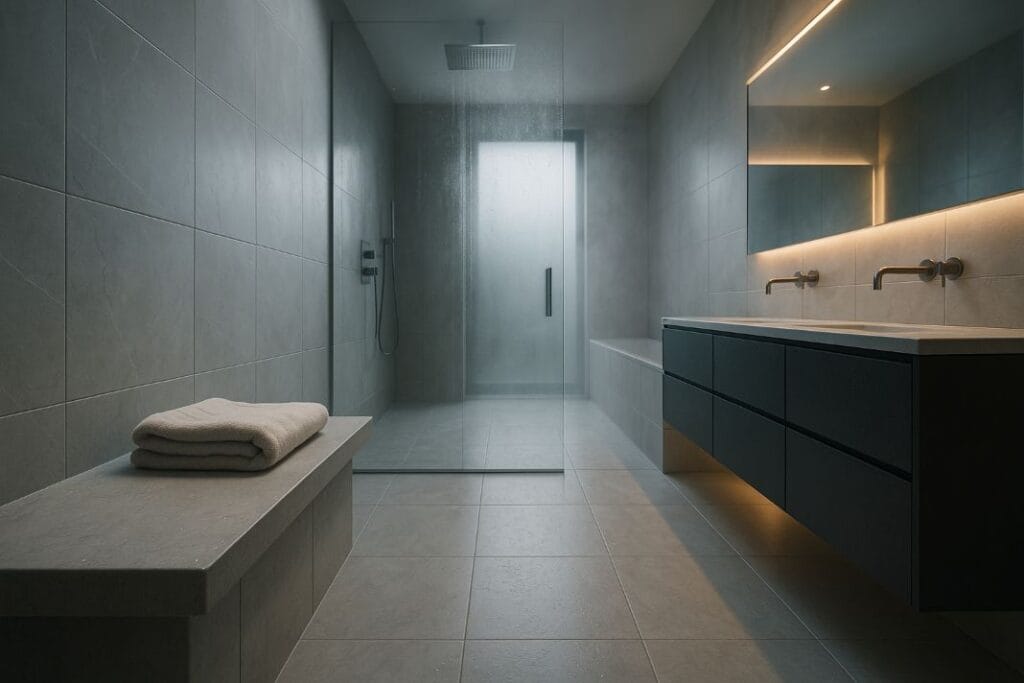
What Exactly Is a Bathroom Renovation?
A bathroom renovation involves more than just a visual refresh. It typically means structural or functional changes that alter how the space is used. Renovations often include moving fixtures such as the toilet, bath or sink to new positions, changing the size or layout of the room, and adding features like underfloor heating or a wet room. They may also be necessary to address problems like poor ventilation, persistent damp, or mould issues.
Renovations often require the involvement of multiple qualified trades, including plumbers, electricians and tilers. Depending on the work, you might also need to secure planning permission or comply with UK building regulations. These projects tend to be more disruptive involving noise, dust and a longer timeline but they offer the chance to fully reimagine your bathroom and tailor it to your current lifestyle. For homeowners with long-term plans or serious layout concerns, renovation offers a more transformative and lasting solution.
Bathroom Renovation vs Refurbishment: A Side by Side Comparison
| Feature | Refurbishment | Renovation |
|---|---|---|
| Cost | Lower (usually) | Higher, can be significant |
| Timeline | Days to a week | Several weeks or more |
| Disruption | Minimal | High – noise, dust, downtime |
| Work Involved | Cosmetic | Structural and cosmetic |
| Skills Needed | DIY or light trade | Multiple professional trades |
| Permissions | Rarely needed | Sometimes required |
| Return on Investment | Moderate | Higher potential long-term |
When a Bathroom Refurbishment Is Enough
In many situations, a full renovation simply isn’t necessary. A bathroom refurbishment can be more than enough if you’re preparing your property for sale and want to improve its appeal without investing heavily in structural work. Similarly, if your bathroom fixtures are outdated but still work well, a cosmetic update can bring new life to the space. Refurbishment is also ideal when there are no signs of issues like leaks or poor ventilation. It’s particularly useful for landlords refreshing a rental property between tenancies or for homeowners working with a limited budget. In these scenarios, improvements such as repainting, updating lighting, retiling, or replacing fittings can make a dramatic difference without the need for major disruption or high costs.
Book Your Bathroom Assessment
Pro Tip: A layout that feels cramped might cost you more in daily frustration than a full renovation ever would.
Petru Balbaie - Director at Compact Building Ltd
Signs You Might Need a Full Renovation Instead
While refurbishment is a practical option for many households, there are situations where a full renovation becomes the more suitable and often necessary route. Persistent issues such as recurring mould, mildew, or a musty odour may point to deeper ventilation or moisture problems that simple cosmetic updates won’t resolve.
Similarly, if you’re dealing with ongoing leaks, corroded pipework, or visible damp patches, these are likely indicators of more serious plumbing or structural concerns. In such cases, a superficial fix may only delay the inevitable.
Layout is another key factor. A cramped space or poorly placed fixtures can make daily use inefficient and frustrating. Often, only a full redesign can create a bathroom that flows better and functions properly.
Changing household needs such as accommodating mobility issues with walk in showers, non slip flooring, or grab rails also tend to require a complete renovation. These upgrades go beyond aesthetics; they ensure the bathroom remains safe, accessible, and future-proofed.
When facing any of these scenarios, a professional assessment is critical. Companies like Compact Building, which specialise in full scope renovations across London and the Home Counties, offer the expertise needed to determine whether a light refurbishment or a comprehensive overhaul is the right solution.
Understanding Costs, Timelines & Value for Money in the UK
Bathroom upgrades can vary greatly in both scope and cost. In the UK as of 2025, a straightforward refurbishment typically falls between £1,500 and £4,000, covering tasks like fresh tiling, painting, or replacing outdated taps and fittings. These projects are usually completed in 2 to 7 days and can dramatically refresh the space without structural changes.
In contrast, a full renovation tends to start around £6,000 and can exceed £15,000, especially if it involves altering the layout, upgrading electrics, or rerouting plumbing. These projects often span 2 to 6 weeks, depending on the complexity and availability of trades.
Beyond the base price, it’s wise to prepare for hidden costs such as waste disposal, upgraded materials, or building control approvals. Factoring these into your budget helps avoid surprises.
Though renovations come with a higher upfront cost, they often deliver greater long term value. A well designed, expertly executed bathroom can increase your property’s market appeal, improve daily usability, and reduce the need for future repairs.
Working with experienced renovation firms such as Compact Building, known for their attention to detail and transparent pricing can help you stay on budget while ensuring a result that’s both stylish and functional.
What UK Rules and Regulations Apply to Bathroom Work?
Bathroom works in the UK must meet several building regulations depending on the nature of the project. For any electrical work, especially in wet areas like bathrooms, compliance with Part P of the Building Regulations is mandatory. This ensures that all electrical installations are safe and carried out by certified professionals. If your project involves significant plumbing changes such as moving a toilet or sink you may need to notify Building Control, particularly if it impacts drainage or water supply systems. Adequate ventilation is another legal requirement for many bathroom refurbishments and renovations. Poor airflow can lead to condensation and mould, which poses health risks and can damage your property.
In homes requiring accessibility updates, modifications must meet UK standards to support safe use for individuals with mobility challenges. Additionally, while most bathroom improvements fall under permitted development, planning permission may be required in certain cases such as when altering a listed property or installing a bathroom in a previously non habitable space. To avoid setbacks, always check local regulations and consult with a qualified contractor before starting any work.
Do I need planning permission for a bathroom renovation?
Most bathroom renovations fall under permitted development, which means you won’t need formal planning permission if the work stays within your property’s boundaries and doesn’t involve structural changes affecting the exterior. However, if you’re adding a new bathroom where there wasn’t one before, changing the building’s use, or living in a listed property, you may need approval. Always confirm with your local planning authority.
How to Choose the Right Contractor for Your Bathroom Project
Selecting the right contractor can make or break your bathroom project. It’s important to work with professionals who have specific experience in bathroom renovations or refurbishments. Start by checking for memberships with recognised industry bodies like TrustMark or the Federation of Master Builders, and look for electricians who are NICEIC certified. These credentials offer reassurance that your contractor meets UK standards for quality and safety. You can also compare reviews on platforms such as Checkatrade, Rated People or MyBuilder to see feedback from other UK homeowners.
In your conversations, ask key questions that clarify how the project will be managed. For instance, will the contractor handle everything from design through to completion, or will you need to coordinate different trades yourself? What happens if there are delays or unexpected issues? Clear communication from the outset ensures fewer surprises later on. Working with a reputable company, which manages all stages in house, can significantly reduce stress while keeping the project on time and within budget.
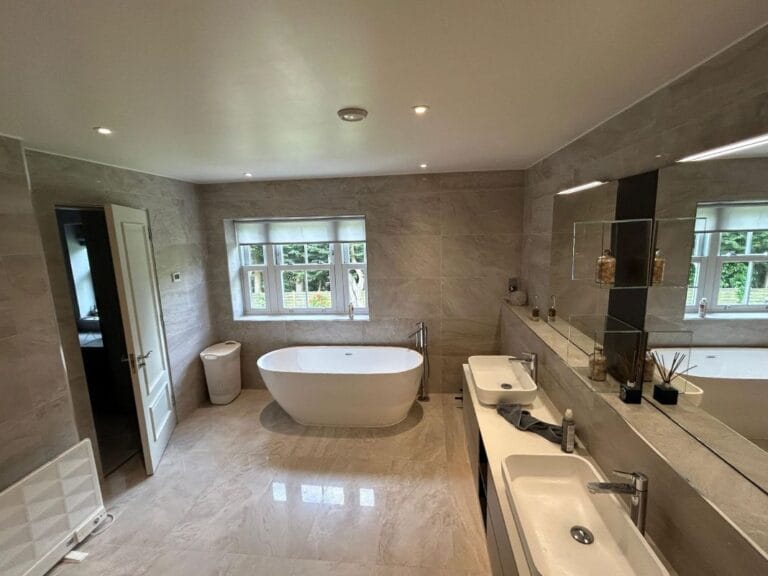
Avoid These Common Bathroom Renovation Mistakes
Even well intended renovations can go off course. Avoid these frequent pitfalls:
- Skipping proper ventilation, it leads to mould and damage
- Hiring unqualified tradespeople just to save money
- Ignoring building regulations or failing to notify authorities
- Over customising to your tastes without thinking about resale
- Underestimating the time and disruption a full renovation can bring
Planning carefully and using professionals helps prevent these setbacks.
Which Bathroom Upgrades Increase Your Home’s Value?
When renovating or refurbishing your bathroom with an eye on resale, certain upgrades offer better returns than others. Features that improve everyday functionality and comfort tend to be most appealing to buyers. Walk in showers with frameless glass enclosures provide a modern, accessible feel that suits a wide range of users. Underfloor heating is another popular addition, especially in colder climates, as it adds a layer of luxury while reducing reliance on radiators. Installing energy efficient fittings and LED lighting can also appeal to eco-conscious buyers looking to reduce utility bills.
Neutral tiling, sleek vanities with ample storage and well-placed lighting all contribute to a bathroom that feels fresh and user friendly. On the other hand, highly personalised or bold design choices, like gold taps or bright coloured suites may not appeal to the broader market and could reduce your return on investment. The best upgrades are those that balance style with practicality and are likely to hold their appeal over time.
Bathroom Decision Checklist: Refurbish or Renovate?
Use these questions to guide your decision:
- Will I be changing the position of the toilet, bath or sink?
- Is there visible mould, water damage or a musty smell?
- Does the current layout serve my daily needs, or do I need a layout review?
- Am I renovating for resale, renting or long-term use?
- Have I considered my bathroom upgrade budget and timeline?
- Do I need to assess moisture problems or hidden plumbing issues?
If most answers point to visual updates, a refurbishment should be sufficient. But if the layout doesn’t work or issues are present, a full renovation might be the smarter investment.
Still unsure? A quick bathroom assessment from a trusted local consultation via Checkatrade or MyBuilder can help you decide with confidence.