


What should you know before hiring a bathroom renovation company in London?
Hiring a bathroom renovation company in London takes more than just calling the first name on a list. With so many variables old plumbing, listed buildings, tight spaces, and different council rules, working with the right company can be the difference between a smooth upgrade and a stressful ordeal. A team that understands these local quirks is essential to avoid delays, costly mistakes, and legal headaches. That’s why so many homeowners now prioritise hiring trusted bathroom renovation companies with proven local experience.
Pro Tip: Always ask if your quote includes waterproofing and waste disposal. These are often left out.
Petru Balbaie - Director at Compact Building Ltd
Why Choosing the Right Bathroom Renovation Contractor in London Matters
Not all bathroom contractors offer the same level of reliability or expertise. A poor choice could leave you with damaged walls, leaking showers, or unsafe wiring issues that are expensive to fix and sometimes even dangerous. Many London homeowners have experienced projects that overran, lacked communication, or fell apart due to poor planning.
Look for signs of professionalism like accreditation with TrustMark or the Federation of Master Builders. These badges are more than just logos, they show the contractor meets strict quality standards. Make sure you read real reviews, check recent projects, and ask if they’ve worked in homes similar to yours. A contractor who knows London’s housing types, like flats with shared access or narrow terraces, will likely manage the project more efficiently.
Unique Challenges of Renovating Bathrooms in London Homes
London homes bring their own renovation hurdles. Many properties have old systems that weren’t designed for modern fittings. You can’t just move pipes or knock through walls without knowing what’s behind them. That’s why having a builder who understands London’s infrastructure is crucial.
If your home is leasehold, you might need written consent before work starts. Planning rules often change by borough, and many flats have extra layers of approval through freeholders or managing agents. Noise restrictions, parking rules, and scaffold permits are also common roadblocks. Homeowners in areas like Islington, Camden, or Hackney often face stricter access constraints and higher permit fees. Knowing what to expect upfront helps keep things moving.
When Is Building Control Required?
Building control approval is often necessary if you’re changing drainage, relocating major fixtures, or affecting structural elements. For instance, moving a toilet to a new spot or converting a room into a wet room might trigger the need for a Building Notice. Your contractor should advise you, but it’s always wise to check with your council early on.
What to Look for in a Bathroom Renovation Company
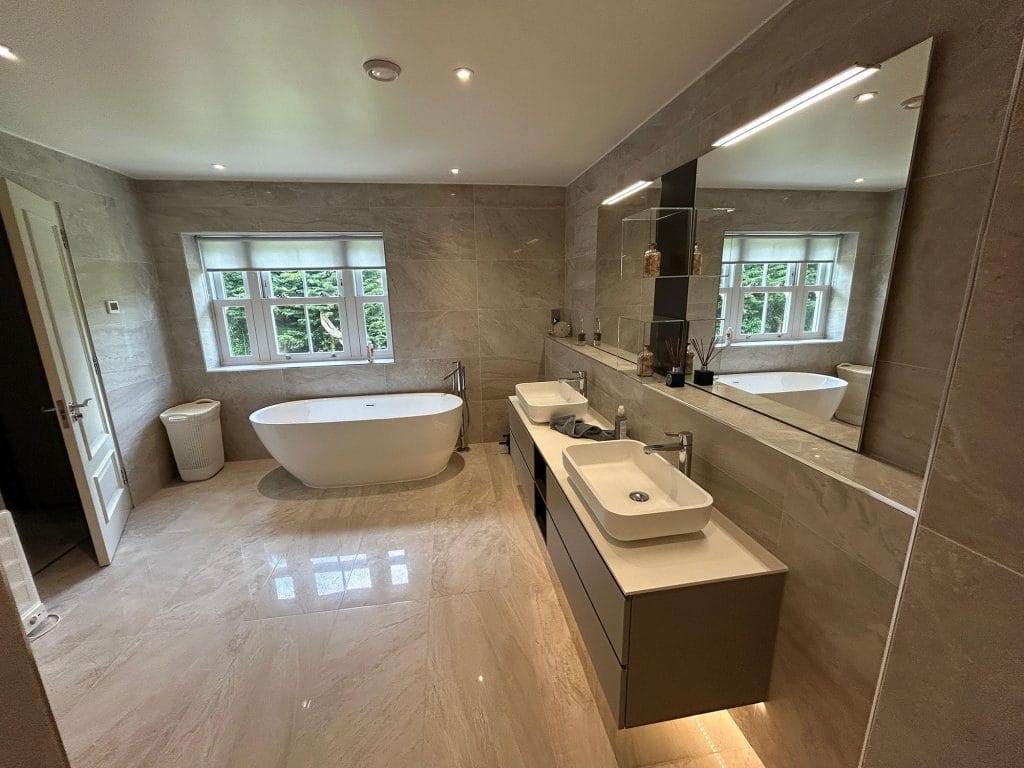
When you’re planning a bathroom renovation, it’s easy to get swept away by slick before-and-after photos. But those glossy images don’t always tell the full story. A truly reliable contractor will back up their work with more than just visual appeal — they’ll offer transparent communication, relevant experience, and the right industry credentials.
1. Check for Certifications and Memberships
Look for companies that are part of recognised industry bodies such as the Gas Safe Register, TrustMark, or the Federation of Master Builders. These aren’t just decorative badges they signal that the company has been independently assessed for technical competence and business integrity. Especially when plumbing or heating elements are involved, having the right certification is essential for both compliance and safety.
2. Ask About Experience With Similar Homes
No two homes are exactly alike. Renovating a bathroom in a Victorian terrace is a very different job than working on a modern flat or new build. A good contractor will be honest about their past projects and should be able to show examples or provide references from clients with similar properties.
At Compact Building, for instance, we’ve worked extensively on period homes across North West London, which often come with their own quirks, narrow hallways, old pipework, or protected features. Choosing a team that understands those challenges can save you time, money, and stress.
3. Prioritise Clear Communication
How will communication be handled during the project? Will you have a dedicated point of contact or be passed around between subcontractors? Renovations are often disruptive, so knowing who to speak to and being confident they’ll respond quickly can make all the difference.
Good contractors will be upfront about timelines, costs, and potential issues. You shouldn’t be left chasing answers.
4. Ask About Guarantees and Aftercare
A trustworthy bathroom renovation company won’t just walk away the moment the grout dries. Look for teams that offer a workmanship guarantee or structured aftercare service. This not only speaks to their professionalism, but also gives you peace of mind long after the project is completed.
Some firms, like Compact Building, include aftercare as part of their standard service, helping clients address any teething issues or minor adjustments that arise post-renovation.
5. Choose Someone With Local Knowledge
Local experience isn’t just a bonus it’s often critical. Contractors who regularly work in your area will be familiar with the local council’s requirements around skip permits, parking restrictions, and noise limits. They’ll also know how to navigate tricky site access or arrange deliveries without disrupting the neighbourhood.
Plus, a company rooted in your borough is more likely to value its reputation because chances are, their next client lives down the road.
How to Compare Quotes and Contracts Without Getting Burned
All quotes should be broken down clearly. If a contractor gives you a single total without listing materials, labour, or extras, be wary. You need to know exactly what’s included otherwise, you may end up paying more later.
A solid contract includes a schedule of payments tied to project stages, not a large deposit upfront. It should also list timelines, what happens if plans change, and whether you’ll get a guarantee. Ask what happens if something runs over do they have a plan for that?
If any part of the quote or contract feels vague, don’t be afraid to ask. Good contractors welcome questions. If you’re still unsure, check guidance from Citizens Advice or Trading Standards to see what you should expect.
Ready to Renovate with Confidence?
Pro Tip: Check if the contractor has worked in your borough. It makes permits and access smoother.
Petru Balbaie - Director at Compact Building Ltd
What Hidden Costs Should I Expect During a Renovation?
Even affordable bathroom fitters will tell you that older London properties can surprise you. Extra plumbing repairs, replastering behind tiles, waste removal charges, or upgrading electrics are some of the most common unexpected expenses. Always build a 10–15 percent contingency into your budget to stay covered.
The Real Cost of Bathroom Renovations in London: What to Expect
London prices can vary widely. A basic refit with standard fixtures might cost £5,000 to £8,000. Mid-range upgrades come in at around £8,000 to £12,000. High-end projects like wet rooms, premium materials, or layout changes can top £20,000.
Prices go up for several reasons: expensive tiles, custom carpentry, rewiring, or if you need scaffold access for deliveries. Labour costs are also higher in London. Always set aside 10–15 percent extra for unexpected surprises like old pipes, weak flooring, or replastering.
Renovation Cost Comparison Table
| Budget | Mid-Range | Luxury |
|---|---|---|
| £5,000 – £8,000 | £8,000 – £12,000 | £12,000 – £20,000+ |
| Basic fixtures, no layout changes | Higher-end finishes, minor layout updates | Wet room, underfloor heating, bespoke design |
| 1–2 weeks | 2–3 weeks | 3–5 weeks |
Example comparison: Ben keeps his layout, picks ceramic tiles, and goes with standard fittings for £6,000. Lara spends £16,000 on a new layout, stone finishes, underfloor heating, and designer fixtures.
Top Rated Bathroom Renovation Companies in London to Consider
There are plenty of contractors, but a few names stand out. Compact Building works mainly in North and Central London and is known for clever use of small spaces. They handle both design and installation, which can simplify things.
Aquarooms, based in the West and South, focuses on wet rooms and modern layouts. Reviews highlight their fast timelines and helpful team. Mode Bathrooms covers South East London and borders Kent. They specialise in luxury finishes and offer CAD planning to help visualise the final result.
London Bathroom Fitters operates citywide and focuses on mid range projects. Their pricing is transparent, and timelines are usually tight. The Bathroom Sanctuary, working in East and North London, is ideal for older homes and eco focused renovations.
Ask for insurance paperwork, recent project examples, and check online reviews before you choose. Even the best company might not be the best fit for your home type or budget.
Common Mistakes Londoners Make When Hiring Bathroom Fitters
Many people skip vital checks because they’re eager to start. But a few mistakes can lead to major headaches. For example, failing to confirm insurance could mean you’re liable if something goes wrong. Accepting vague quotes often ends in higher bills when hidden costs emerge.
Don’t pick based only on price. The cheapest option might skip waterproofing steps or use poor materials. Also, if you live in a flat, don’t forget about access issues. Shared hallways, parking restrictions, or time limits on deliveries can delay progress.
Read every part of the contract. Don’t rely on verbal promises. For added insight, look at forums like Reddit UK housing or Checkatrade. You’ll find plenty of real-life stories some helpful, some cautionary.
Final Checklist: Choosing a Reliable Contractor You Can Trust
Before you sign anything, ask yourself:
- Did they show you up to date insurance and credentials?
- Have they worked on homes like yours?
- Is the quote detailed and clear?
- Did they answer your questions openly?
- Have you spoken to references?
If you can tick all those off, you’re ready to go. A good contractor won’t just finish the job they’ll make the process smooth and give you peace of mind. Hiring home renovation experts who understand local rules and real world constraints puts you in the best position for success.
Frequently Asked Questions (FAQs)
Q: Do I need planning permission to renovate my bathroom in London?
A: Usually no, unless your home is listed or you’re altering structural elements. However, building control approval may still be required.
Q: Can I install a wet room in a flat?
A: Yes, but it may require structural checks and enhanced waterproofing. Flats above ground floor often need special attention to drainage.
Q: How long does a full bathroom renovation take?
A: On average, 1 to 3 weeks depending on the size, complexity, and type of finish chosen.
Q: Are there affordable bathroom fitters in London who still offer quality?
A: Yes. Some smaller firms offer great value, especially if you’re flexible on materials and finishes. Just make sure they’re properly insured and reviewed.