


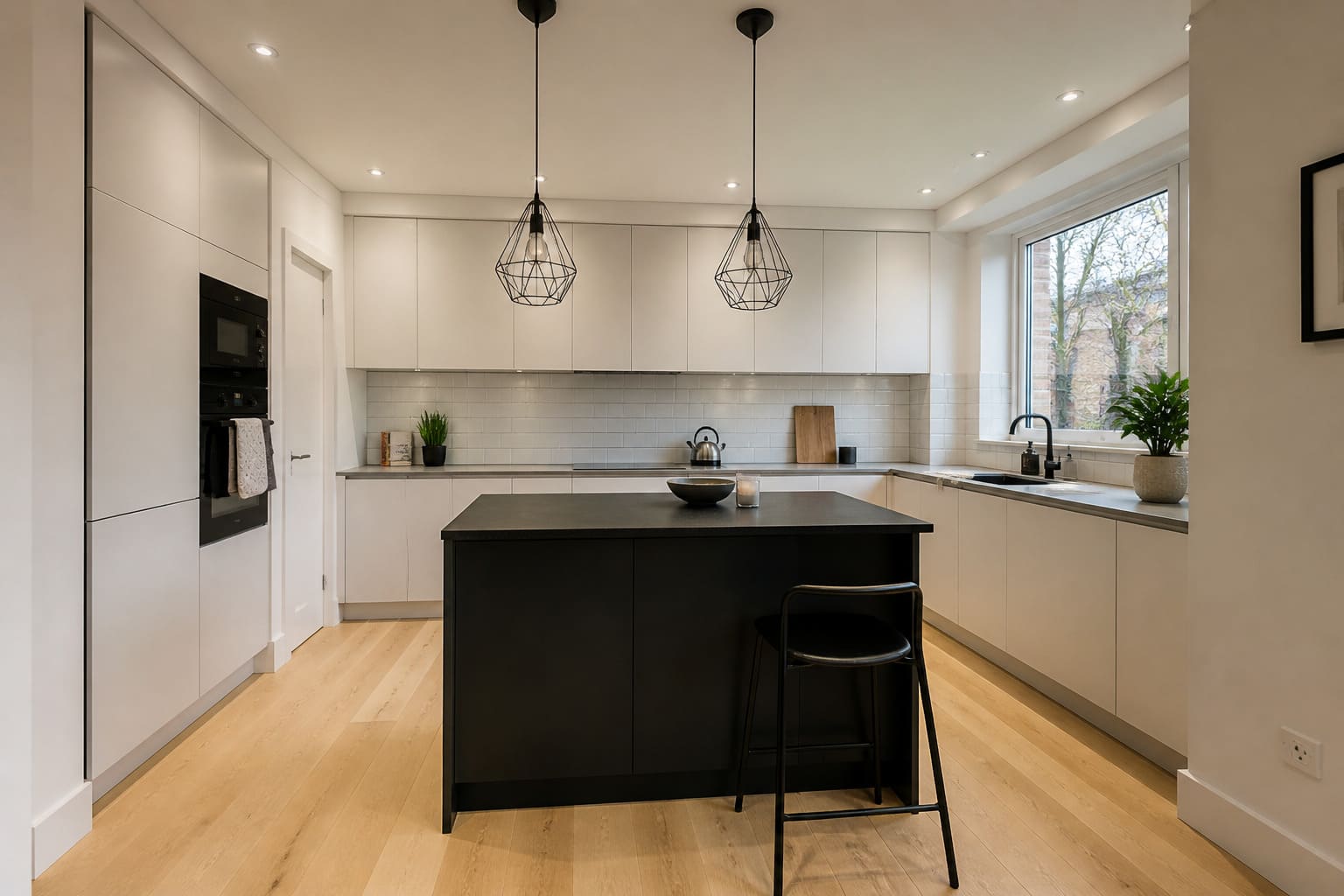
A London flat renovation usually involves tighter rules, more shared spaces, stricter access arrangements, and more limits on structural changes than renovating a house in London. Houses often offer more control over working hours, storage, layouts, and permissions, whereas flats usually require closer coordination with freeholders, managing agents, neighbours, and Building Control before work can move smoothly.
Understanding London’s housing landscape: flats vs. Houses
A top-floor flat in a Victorian conversion and a mid-terrace house on a nearby street may sit only a few hundred metres apart, yet the renovation experience can be completely different. London property types vary sharply in ownership structure, layout, access, and building fabric, which means that flat vs house renovation decisions are rarely interchangeable.
Most homeowners already sense that difference, but the practical impact is easy to underestimate. A house often gives you direct control over the front door, external access, and more of the building itself. A flat usually sits inside a wider system of shared spaces, leasehold rules, and services that affect what can be changed and how work is carried out.
- Flats often involve leasehold ownership, shared entrances, shared services, and tighter controls on alterations.
- Houses more often involve freehold ownership, direct access, and fewer third parties in day-to-day renovation decisions.
- Older London homes, including period conversions and terraces, can bring hidden constraints whether the property is a flat or a house.
Building age matters as much as property type. A new-build flat may have strict management rules but predictable services and structure. An older conversion may have thicker walls, awkward pipe routes, uneven floors, and unclear records of past work. RICS survey guidance can be helpful at the assessment stage, particularly where previous alterations or defects may affect the scope of works.
Local context shapes the process too. London Borough Councils, Building Control teams, and the realities of dense urban living all affect how a project unfolds. In a flat, even a simple bathroom refit can involve questions about shared drainage, neighbour impact, and access through communal halls, whereas a house refurbishment may be shaped more by space, party walls, and exterior works.
Working through leasehold and freehold: legal and practical implications
A common surprise for flat owners is that owning the property does not always mean full freedom to alter it. In many London flats, the lease sets out what can be changed, what needs approval, and what is prohibited outright.
Leasehold renovation rules can cover structural changes, plumbing alterations, flooring types, window replacements, and even the hours during which contractors may work. A freeholder, managing agent, or residents’ association may need to review plans before work begins. In some cases, a licence to alter is required, which is a formal permission process rather than a casual email exchange.
By contrast, freehold property works usually involve fewer internal ownership barriers. That does not remove planning, party wall, or Building Control requirements, but it often means fewer private approvals before work starts.
Three checks matter early on for flat renovation permissions:
- Read the lease for alteration covenants and any limits on flooring, plumbing, or structural work.
- Confirm whether the freeholder or managing agent requires a licence to alter London flats.
- Check whether building insurance conditions or service charge rules affect the proposed works.
The Leasehold Advisory Service offers useful guidance on how lease terms operate, though the lease itself remains the key document. Some buildings also have house rules issued by the managing agent that sit alongside the lease and shape practical matters such as contractor parking, waste handling, and use of communal routes.
Delays often happen before a tool is lifted. Approval may depend on drawings, structural details, proof of contractor insurance, and administration fees. A house project can stall on permissions too, but a flat adds another layer of review, and that layer often sets the pace.

Tell us what you are planning and we will give you an honest assessment, a clear quote, and a realistic timeline.
Get a Free QuoteAccess, logistics, and working hours: urban realities for flat renovations
Picture a kitchen delivery arriving at 8 am for a third-floor flat with no lift, a narrow staircase, and a front entrance shared by six households. That is where flat renovation logistics start to feel very different from a house project.
Shared entrances and circulation routes shape almost everything. Materials may need to be carried through halls, up stairs, or in booked lift slots. Waste removal can be slower because skips may not be permitted on site, and temporary storage inside the flat is usually limited. Renovating in a block of flats often turns space planning into a daily operational issue, not just a design choice.
Working hours renovation rules also tend to be tighter in blocks. Building management companies may set specific hours for noisy works, and local authority environmental health teams may become involved if complaints arise. London borough regulations vary, but the general pattern is clear: houses often allow more flexibility, flats usually require closer discipline.
A typical house renovation can absorb disruption in a side return, front garden, or driveway. A flat rarely has that spare capacity. Deliveries arrive closer to neighbours. Dust control matters more. Access routes must stay usable for everyone in the building.
One practical example makes the contrast clear. Replacing a bathroom in a house may mean carrying materials from van to front door and stripping out directly into a skip. The same job in a flat can involve protective coverings in communal areas, agreed delivery times, restricted waste movements, and advance neighbour notifications before demolition begins.
Carefully review your lease for alteration restrictions before hiring designers or contractors to avoid unexpected delays.
Structural and technical considerations: what’s possible in a flat?
The biggest technical difference is simple: a flat is part of a larger building system. Any proposed change has to be considered in relation to neighbouring homes, shared services, and the structure as a whole.
Removing walls, changing room layouts, and relocating kitchens or bathrooms can all be possible in some flats, but they are rarely straightforward. Load-bearing walls may affect homes above or below. Shared risers may limit where new pipework can run. Fire compartmentation must be maintained, and sound insulation can become a bigger issue where floors and walls divide separate dwellings.
A house often gives more freedom to rework internal layouts, subject to structure and regulations. A flat usually has narrower technical margins.
- Flats may face tighter limits on moving wet areas, altering drainage falls, and changing ventilation routes.
- Houses often offer more options for rerouting services, creating openings, or extending usable floor area.
- Both property types may need structural engineer input and Building Control approval where major changes are proposed.
Fire safety in flats deserves special attention. Doors, ceilings, service penetrations, and wall build-ups can all affect compliance. A design that looks simple on paper may become more complex once fire safety regulations and sound insulation standards are considered. That is particularly relevant in conversions, where earlier works may not meet current expectations.
The Party Wall Act can also enter the picture if works affect shared walls or structural elements, although its application depends on the nature of the work and the building arrangement. In practice, technical feasibility in a flat often comes down to what the structure, services, and wider building can accommodate without creating new problems elsewhere.
Planning, permissions, and party walls: working through London’s regulatory maze
Permissions for flat works often catch owners off guard because the planning position is different from that of a house. Permitted development rights that can apply to houses do not generally give the same freedom to flats.
That point matters most where external changes are proposed, including window alterations, roof works, or anything that changes the building’s appearance. Internal works may still avoid planning permission, but they can trigger Building Control approval, freeholder consent, or both. Flat planning permission questions therefore need a wider lens than planning alone.
A sensible route through renovation regulations London projects often involves these stages:
- Establish whether the work is internal, structural, external, or a combination.
- Check the planning position with the relevant London Borough Planning Department or the Planning Portal.
- Confirm whether Building Control approval is required.
- Review lease terms and ask whether landlord consent or a licence to alter is needed.
- Assess whether a party wall notice or surveyor is required for works affecting shared structures.
For houses, the conversation often starts with planning and party wall matters. For flats, it usually starts one step earlier with tenure and building-specific restrictions. That sequence can affect both timeline and budget, especially if professional reports are needed before consent is granted.
Neighbour consultation is another practical difference. In a house, neighbours may mainly be affected by boundary works or rear extensions. In a flat, nearby residents can be affected by noise, access, service interruptions, and structural works within the same building. A party wall agreement London owners might need for a house project has a different tone inside a shared block, where relationships are physically closer and disturbances travel more easily.
Arranging neighbour notifications early can significantly reduce friction when noisy or disruptive work begins.
Managing disruption: minimising impact on neighbours and shared spaces
One resident drilling into concrete at mid-morning may irritate a neighbour. A full flat refurbishment can affect an entire staircase, landing, or building entrance if it is poorly managed.
Shared amenities make ordinary renovation mess feel more visible. Dust on a communal hall floor, stacked materials near letterboxes, or repeated lift blockages can damage neighbour relations quickly. Environmental health concerns tend to arise where noise is prolonged, timings are ignored, or complaints are left to build.
Good building management coordination usually starts before demolition. Notices, agreed access routes, protective coverings, and clear schedules can all reduce friction. Residents’ associations and management teams are often more receptive when they can see that disruption management has been thought through properly.
A considerate approach usually includes the following:
- Giving neighbours reasonable notice before noisy phases begin
- Protecting shared areas every day, not just at the start of the job
- Keeping contractors within agreed access and working hours
- Removing waste promptly instead of letting it accumulate
- Responding quickly if a complaint is raised
Poor communication does not always create a formal dispute, but it can make a project feel longer and more stressful for everyone involved. By contrast, a brief notice in advance, a realistic timetable, and visible care in communal spaces often soften the impact of unavoidable disruption.
Compact Building Ltd is one example of the type of renovation company that treats communication and site control as part of the work itself, especially in London blocks where neighbour impact can shape the whole experience.
Project management and professional support: why experience matters
Flat renovation project management matters because so many moving parts sit outside the flat itself. The job is about fitting a kitchen or refurbishing a bathroom. The job also involves sequencing trades, handling approvals, managing deliveries, documenting changes, and keeping work aligned with the building’s rules.
Take a typical London flat refurbishment with kitchen, bathroom, rewiring, and flooring. Flooring may need approval under the lease. Electrical works may need certification. Bathroom changes may depend on drainage positions and waterproofing details. Kitchen deliveries may need timed access. Without clear renovation oversight, one delay can push into several others.
An experienced project manager or main contractor usually adds value in three practical ways:
- Trade coordination, so plumbers, electricians, plasterers, and installers work in the right order
- Documentation, including quotes, variations, approvals, and compliance records
- Risk control, especially where shared spaces, building management, and technical constraints overlap
RICS standards and good professional habits both point in the same direction here: clear paperwork, realistic pricing, and proper sequencing reduce confusion. In a London flat, that discipline can matter just as much as workmanship because the project sits inside legal, social, and physical constraints that do not disappear once work begins.
No pressure, no hard sell. Just practical advice from builders who do this every day across North London, Hertfordshire and the surrounding counties.
Book a Free ChatLooking ahead: rethinking value, suitability, and long-term outcomes
A flat renovation value question is rarely answered by finishes alone. Layout quality, storage, noise control, durability, and compliance often matter just as much to long-term outcomes as the visible design.
Some owners hope for quick wins, especially in compact London homes where every square metre feels expensive. Yet a rushed scheme can create lasting compromises, such as poor ventilation, awkward service routes, or materials that wear badly in high-use spaces. Future-proofing flats usually means making decisions that still make sense years later, including maintenance access, sensible layouts, and choices that respect the building’s wider constraints.
Three ideas are worth keeping in view:
- Liveability matters alongside resale.
- Suitability for renovation depends on the building as well as the flat itself.
- Long-term maintenance should be considered before finishes are chosen.
London property market pressures often encourage ambitious thinking, but sensible ambition tends to age better. A well-planned renovation that works with the building, satisfies Building Control, and respects shared living conditions usually holds its value more convincingly than a scheme that looked impressive on day one and awkward by year three.