



What is building control in London, and why does it matter for bathroom renovations?
Building control in London refers to the legal requirement for certain home renovation works, including some bathroom projects, to meet safety, structural, and compliance standards. While not every bathroom renovation needs approval, building control ensures that changes affecting health, safety, drainage, electrics, or structure comply with building regulations.

Pro Tip: Check your property’s drainage and electrics layout before planning bathroom changes to avoid unexpected building control requirements.
Petru Balbaie - Director at Compact Building Ltd
When Does a Bathroom Renovation in London Require Building Control?
Not every bathroom update involves building control, but several situations do. Recognising these moments is key to avoiding complications later.
Always Required:
- Structural alterations, such as moving or removing load-bearing walls
- Reconfiguring drainage, including new soil stacks or changes to waste pipes
- Installing new windows or external doors
- Converting a room to a bathroom in a previously un-serviced space, like a loft
Sometimes Required:
- Upgrading or relocating electrical wiring, especially in “special locations” covered by Part P (such as areas with high moisture)
- Altering ventilation, for example adding or repositioning mechanical fans, as guided by Part F
- Adjusting access or layout to improve accessibility
Rarely Required:
- Straight replacement of tiles, sanitaryware, or taps in the same positions, provided no systems are altered
In London, where properties often share walls, plumbing, and electrics, even minor adjustments can have a broader impact. For example, moving a bathroom in a flat might affect communal drainage or fire safety, triggering the need for approval. Do not assume that “like for like” changes exempt you from building control, clarify first to prevent headaches.
The Building Control Process: What to Expect
Understanding the process makes it easier to plan your project with confidence.
- Notification and Application: Submit your renovation details to the Local Authority Building Control or an Approved Inspector. You will usually need plans or a description of the intended works.
- Initial Assessment: The building control body reviews your application, may request clarification, and confirms what will be inspected.
- Interim Inspections: At critical stages, such as after drainage works, before wall coverings go up, or when electrics are installed, a building inspector visits to check compliance.
- Final Inspection: When construction works complete, the inspector verifies all elements against building regulations, including safety, ventilation, drainage, and electrics.
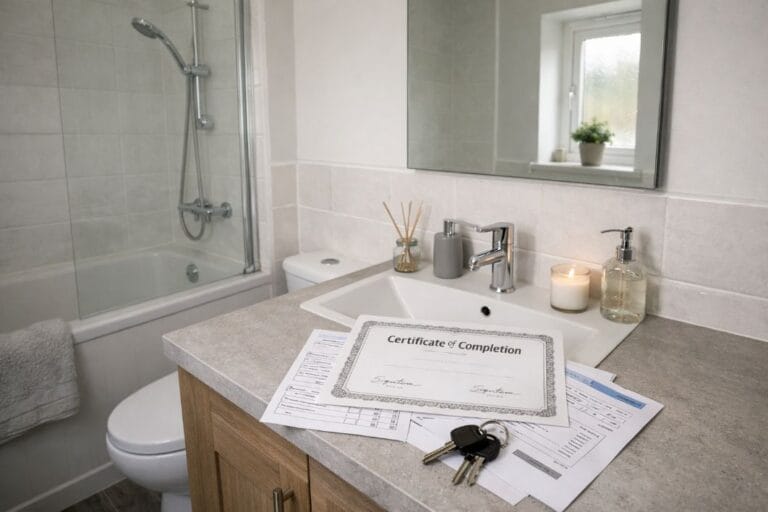
- Completion Certificate: If everything complies, you receive an official certificate. This document is valuable for resale and provides peace of mind that your renovation meets legal requirements.
Timelines depend on project size and inspector availability. Delays sometimes occur during busy periods, or if documentation is incomplete. Professional companies such as Compact Building Ltd are experienced in managing these steps, keeping progress smooth and compliant.
Pro Tip: Always obtain written confirmation about who is responsible for building control notifications between you and your contractor.
Petru Balbaie - Director at Compact Building Ltd
Common Pitfalls and How to Avoid Them
Even well-planned projects can hit snags. Here are frequent mistakes homeowners make, with tips to avoid them:
- Forgetting to Notify Building Control Early Start the application process before any work begins to prevent delays or interruptions.
- Overlooking Changes to Drainage or Electrics Do not assume minor swaps bypass regulations; check if moving a waste pipe or changing electrical layouts requires sign-off.
- Assuming Contractors Handle Compliance Automatically Confirm in writing who is responsible for notifications, inspections, and paperwork.
- Retrospective Approval Challenges Gaining sign-off after the work is finished is often more complex. Engage with building control from the outset to avoid retrospective complications.
Treat building control as an integrated part of your renovation rather than an afterthought.
The Role of Professional Project Management in Working through Building Control
Coordinating a compliant bathroom renovation within London’s property landscape involves more than skilled trades. It requires careful sequencing, paperwork, communication with inspectors, and anticipating regulatory hurdles.
Professional project managers take responsibility for:
- Scheduling works to align with inspection stages and access requirements
- Ensuring all trades notify and cooperate with building control authorities
- Managing documentation and certificates, avoiding last-minute scrambles
- Reducing the risk of costly errors or delayed sign-off
Handling these tasks in isolation often leads to missed steps, especially in older or more complex properties. By contrast, an organised approach brings predictability and peace of mind. Compact Building Ltd, for example, gives homeowners a single point of contact for every regulatory step, streamlining the experience.
Download Our Building Control Checklist
What Happens If You Don’t Get Building Control Approval?
Skipping approval can create lasting issues. Here is what you may face:
- Legal issues: Local authorities can serve enforcement notices requiring you to undo or rectify unauthorised work.
- Delays to property sales: Missing certificates often come to light at sale, slowing down transactions or causing buyers to pull out.
- Insurance problems: Lack of compliance documentation may void cover in the event of a claim.
- Retrospective sign-off: You can apply for a Regularisation Certificate, but the process is more challenging and does not guarantee approval.
Many homeowners discover issues when selling or remortgaging. If you suspect approval was missed, seek advice soon from an experienced professional or solicitor familiar with London’s housing context. Preventative steps always bring less stress than retroactive fixes.
Summary: Making Confident, Compliant Choices for Your London Bathroom Renovation
A compliant bathroom renovation in London is achieved with clear planning and respect for building control requirements. Confidence grows when the process is managed by experienced professionals.
Key takeaways include:
- Early clarification of building control triggers prevents costly oversights.
- Building control is an investment in safety, longevity, and peace of mind.
- Documentation, communication, and expert project management greatly reduce risk.
- Addressing compliance proactively protects your property and future transactions.
For homeowners seeking reassurance and control, working with a reputable firm such as Compact Building Ltd ensures your investment is both beautiful and built to last. Approach your project as a managed process, and the rewards will echo long after completion.