
What are the best ways to add more space to a bungalow without relocating?
Expanding a bungalow without moving is possible through loft conversions or ground-floor extensions. These options help homeowners use the space they already have to meet changing needs and avoid the expense of relocating. The best choice depends on the home’s structure, internal configuration, roof shape, garden size, and available budget.
Pro Tip: Always measure your loft’s head height before calling a builder. It can save you time and fees upfront.
Petru Balbaie - Director at Compact Building Ltd
Why More Homeowners Are Expanding Their Bungalows Instead of Moving
More homeowners are choosing to stay put and improve their bungalows rather than face the costs and upheaval of moving. While bungalows are often seen as limited in space, many have untapped potential. For some homeowners, it is about staying close to family or a familiar area. For others, it is about avoiding disruption.
Upgrading a bungalow can be more affordable than moving. Once estate agent fees, stamp duty, solicitor costs, and removal expenses are included, the price of relocating often outweighs the cost of extending. Renovations also allow homeowners to release equity and invest in their future living space.
How Bungalow Layouts Affect Your Options for Creating Extra Space
The age, footprint, and structural layout of a bungalow affect how it can be improved. For instance, 1930s bungalows often have high-pitched roofs and wider layouts, making them ideal for loft conversions. Homes from the 1960s and 1980s may have flatter roofs and smaller gardens, which makes ground-level extensions a more practical option.
A large garden creates opportunities for rear or wraparound extensions. In contrast, a steep roof with traditional purlin rafters supports vertical space, which suits loft conversions. Structural load considerations, supporting walls, ridge height, and eaves all play a role in what is possible.
Is Your Loft Suitable for Conversion? A Simple Homeowner Viability Check
You can start by checking three things. First, check if there is at least 2.2 metres from the loft floor to the roof ridge. That is generally the minimum for usable space. Second, assess whether the roof is supported by purlins or trusses. Purlin roofs are easier to convert. Third, identify any obstructions such as water tanks or chimneys that could complicate the work.
If the answers are encouraging, it is worth getting a professional opinion. A structural engineer or builder can carry out a full check and advise on what is needed to make a conversion viable. They may recommend strengthening support joists or adding a ridge beam to maintain structural integrity.
The Most Popular Loft Upgrade Options for UK Bungalows
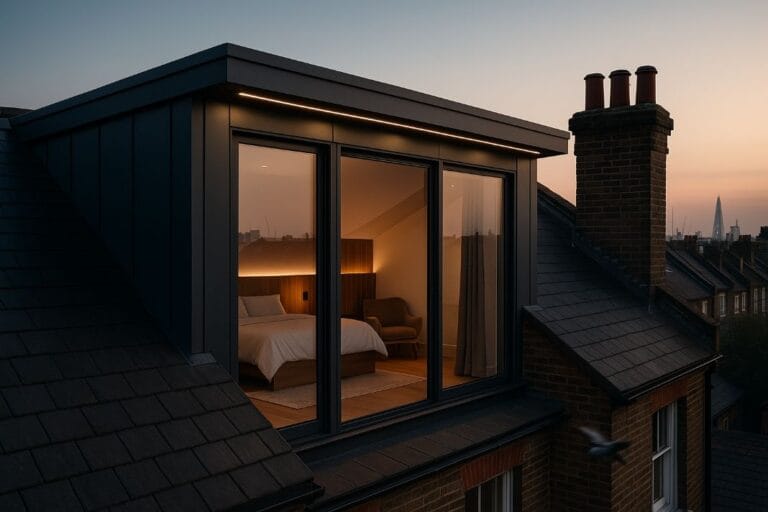
Several loft conversion styles suit bungalows. Dormer conversions add headroom and space, making them ideal for bedrooms and ensuite bathrooms. Hip-to-gable conversions work well in 1930s homes with sloped side roofs. They create extra room by turning the roof’s slope into a vertical gable end wall.
Rooflight conversions are the most affordable. These keep the existing structure but add windows for light and ventilation. They are best when the loft already has decent head height and favourable pitch angles. Mansard conversions are the most spacious. These change the roof to a box-like shape. They usually require full planning permission and are less common in bungalows due to building envelope restrictions.
Bungalow Extension Ideas: Rear, Side and Wraparound Designs Explained
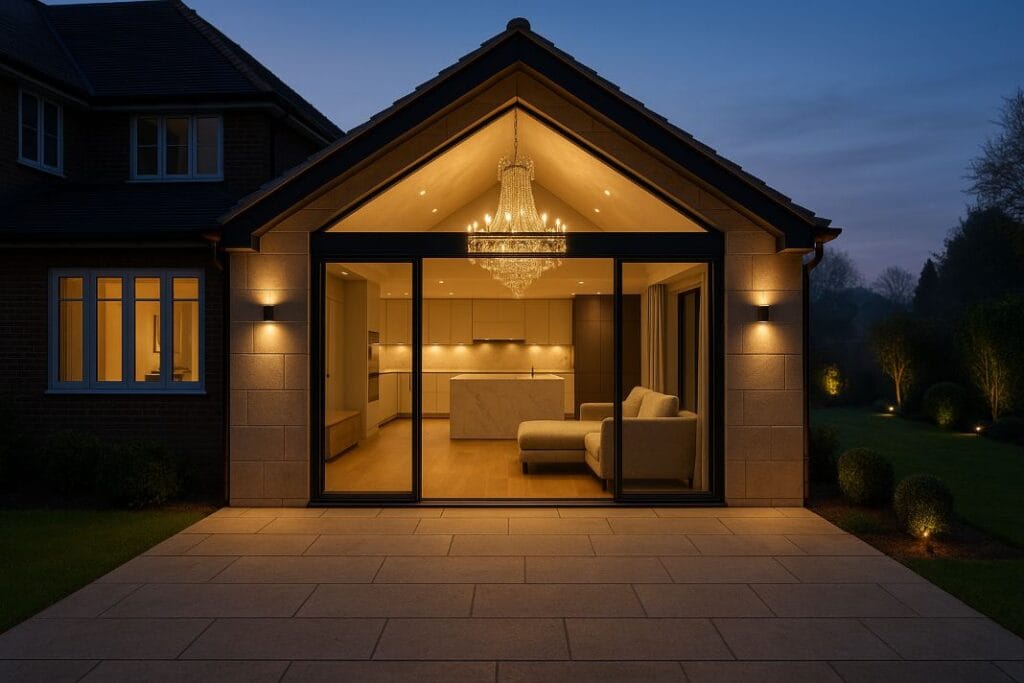
Extensions allow for big changes to layout and function. Rear extensions often create open-plan kitchens or living areas that lead into the garden. Side extensions are ideal for adding bedrooms, bathrooms, or utility spaces. If space allows, a wraparound design combines both for a seamless new layout.
Extensions also work well for long-term accessibility. Features such as wider doors, flat thresholds, and step-free rooms help homeowners live comfortably as they get older. Natural light can be improved with skylights or bifold doors. The way new rooms connect to the original layout is key to making the space work well.
Loft Conversion vs Extension: Which Adds More Usable Space?
Each choice has strengths. Loft conversions use vertical space and suit private rooms like bedrooms or offices. Extensions offer more layout freedom and are ideal for kitchens and family areas. They also provide full ceiling height and direct garden access.
If you need both quiet and shared spaces, combining the two could be the best approach. A loft for sleeping and a ground-floor extension for daily living can make a bungalow feel much larger. The space use of each should be considered alongside your budget and lifestyle needs.
How Much Does It Cost to Extend or Convert a Bungalow?
Loft conversions usually cost between £1,200 and £2,500 per square metre. Extensions range from £1,500 to £3,000 per square metre. The final cost depends on factors such as the type of roof, materials, insulation standards, and structural changes.
Other expenses to plan for include asbestos removal, temporary housing, and adjustments to plumbing or drainage. You will also need to budget for architects, surveys, and planning consultants. These can add up to 15 percent to your total. It is sensible to allow a 10 to 15 percent contingency to cover the unexpected.
Including eco-friendly features such as sustainable insulation, low-carbon heating systems, or triple glazing may increase upfront costs but boost thermal performance and long-term savings. These features can also improve your home’s U-values and future-proof it against tightening energy regulations.
Planning Permission Rules for Bungalow Extensions and Loft Conversions
Many improvements can be done under permitted development rights, avoiding the need for full planning permission. Detached bungalows can add up to 50 square metres in a loft, while semis are limited to 40 square metres. Rear extensions can usually go up to 4 metres (detached) or 3 metres (semi).
Common mistakes include exceeding height limits, altering the roof ridge, or placing dormers too close to the edge of the roof. These issues can result in planning refusals. It is important to consider development limits and always confirm with your local planning office.
To be safe, apply for a Certificate of Lawfulness. This confirms your plans follow the rules and protects you from future problems. You may also need building control approval depending on the type of works planned.
Pro Tip: Even small garden bungalows can benefit from wraparound extensions with clever design planning.
Petru Balbaie - Director at Compact Building Ltd
Get Planning Help for Your Renovation
What Disruption Should You Expect During Loft or Extension Works?
Construction always brings disruption, but planning ahead helps. Loft conversions often start with work outside. Most of the noise and dust happen later when the stairs go in. Extensions usually involve more mess, especially if internal walls are removed or kitchens are moved.
Expect scaffolding, skips, and people on-site most days. Some homeowners stay in the house during the build, while others move out for a short time. Loft projects usually last 6 to 12 weeks. Extensions can take 10 to 16 weeks, depending on size.
Check that your home insurance covers building work. Your contractor should also provide warranties and liability insurance.
Which Option Adds More Value to Your Bungalow Long-Term?
Both upgrades can increase resale value. Extra bedrooms and bathrooms are attractive to families. Open-plan kitchens and living rooms are especially popular. Energy-saving features such as double glazing and good insulation improve your home’s energy rating and make it more appealing.
Value-boosting features often include:
- Ensuite bathrooms
- Large kitchen-dining areas
- Efficient heating systems
- Dedicated office space
Improving airtightness and thermal performance can also enhance your Energy Performance Certificate (EPC) rating.
Local estate agents can offer advice on what adds the most value in your area. A clear cost-to-benefit ratio should guide decisions when planning upgrades.
How to Choose Between a Loft Upgrade and an Extension for Your Bungalow
Think about your layout, lifestyle, and property features. If your roof has enough height but your garden is small, a loft conversion might work best. If you prefer step-free access or need a big open-plan space, an extension could be better.
Some people benefit from both. A loft conversion suits quiet, private rooms. An extension creates large social areas. For example, a growing family might add bedrooms in the loft, while a downsizing couple might prefer a rear extension with wider doors. Freelancers often find a loft makes an ideal home office.
Assessing feasibility early helps you decide with confidence. If you are unsure, get advice from a builder or architect. They can guide you based on structure, costs, and your goals.
Your Next Steps for Expanding Your Bungalow Without Moving
If you love your home but need more room, the solution might already be under your roof or in your garden. Upgrading your bungalow lets you stay where you are while gaining the space you need.
Start by checking your loft’s height and your garden’s size. Speak to a professional who understands bungalow renovations. A company such as Compact Building can guide you on what is possible and how to plan it.
With the right advice, you can turn your current home into something even better, without the hassle of moving.