


Why is bathroom renovation more than just a facelift?
Renovating a bathroom might seem like a simple visual upgrade, but it can significantly improve everyday life. It enhances comfort, boosts water efficiency, and increases home value. Many start due to persistent leaks, poor layouts, or the need for a relaxing retreat. With thoughtful planning, this project becomes both manageable and rewarding. Improvements like a comfort upgrade or better bathroom ROI make it even more worthwhile when it comes to long term resale potential.
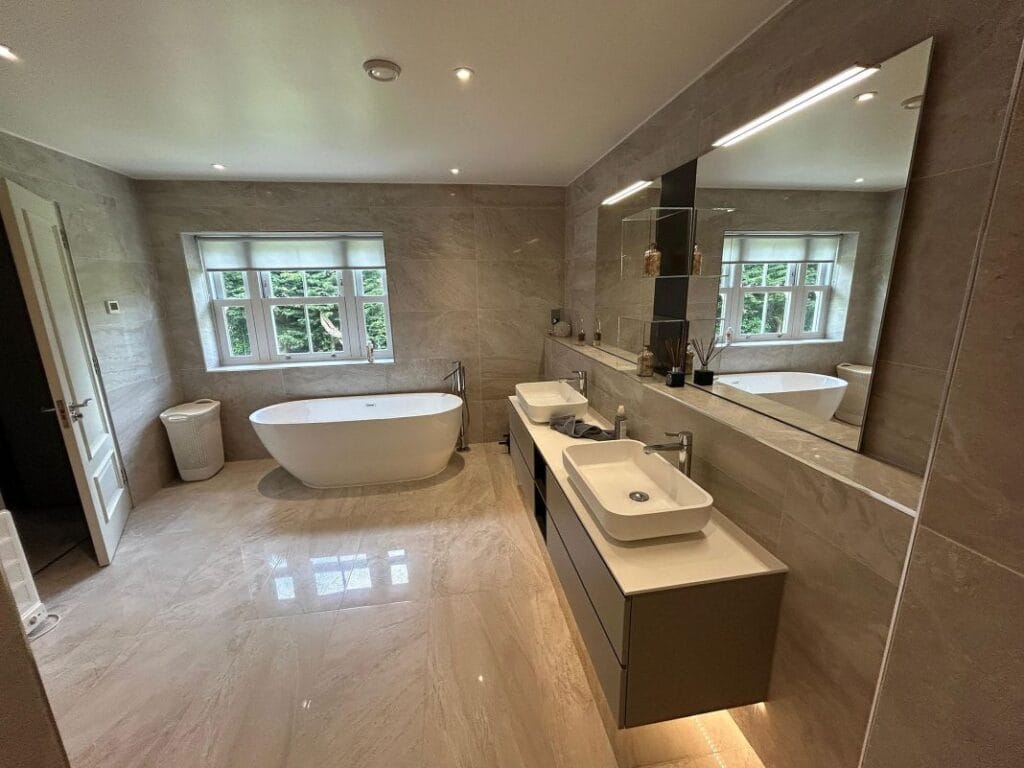
Pro Tip: Always finalise your layout before buying any fixtures to avoid costly repositioning.
Petru Balbaie - Director at Compact Building Ltd
Should you go for a full renovation or just a cosmetic refresh?
Not every bathroom needs a full overhaul. A complete renovation alters plumbing, layout, and fittings. A refresh might involve retiling, repainting, or updating lights. When plumbing is outdated or the layout is inefficient, consider starting from scratch. Otherwise, surface level changes can still achieve striking results. Whether aiming for buyer appeal or just a visual refresh, make sure the changes align with your goals.
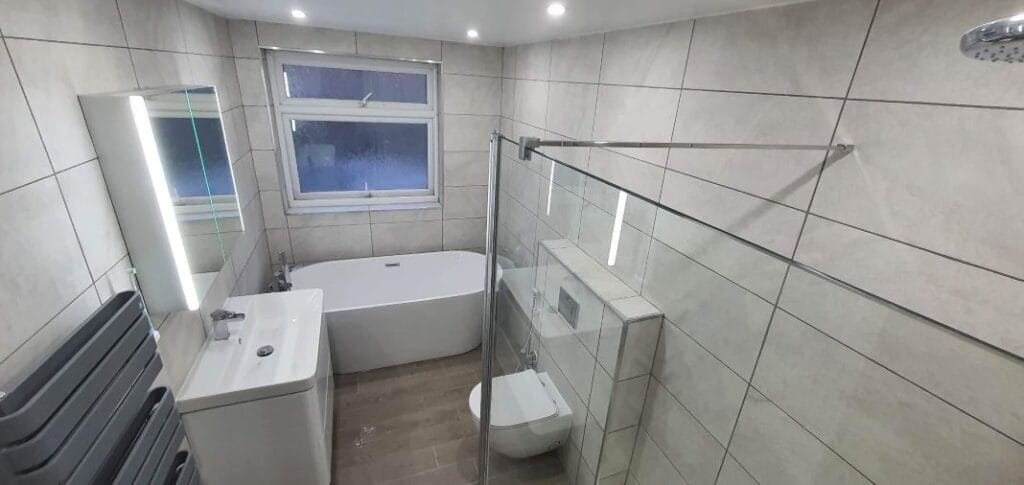
What costs should you expect when renovating a bathroom?
Bathroom renovation costs depend on size, design goals, material choices, and location. On average:
- Basic bathrooms: £3,000 to £5,000
- Mid range: £5,000 to £10,000
- High end: £10,000 to £20,000 or more
Include VAT, labour, fittings, preparation, waterproofing, and waste removal. Add contingency funds for issues like hidden pipe damage. Tools like Checkatrade’s price guides help you plan smartly. Budgeting for upgrades like water saving taps, eco certified fixtures, or energy efficient lighting can affect costs but pay off over time.
Compact Building Ltd has worked on hundreds of properties across London and understands the ins and outs of local compliance and safety standards.
What UK regulations must be followed in a bathroom renovation?
In the UK, bathrooms must follow Building Regulations. Part P covers electrical safety, while water regulations control plumbing changes. Structural work or changes to drainage may require council approval. Always hire Gas Safe engineers for gas appliances and NICEIC electricians for electrical installations. Electrical installations in bathrooms should include IP rated fittings and comply with water zoning rules.
Ready to Renovate Your Bathroom?
Pro Tip: Use mould resistant grout and silicone to extend the life of your finishes.
Petru Balbaie - Director at Compact Building Ltd
How do you design a layout that works?
Effective layouts maximise flow, light, and usability. Avoid placing the toilet directly opposite the door. In small rooms, wall hung toilets or compact basins save space. Use layout tools from major retailers to experiment. Think about lighting, ventilation, and where everyday items will be stored. Ensure the toilet zone allows space for movement, and consider vanity unit depth or alcove storage to optimise available room.
What should be kept or reused during demolition?
Many elements can be salvaged. Taps, mirrors, vanities, and even tiles may still serve their purpose. Shut off services before dismantling anything. Remove fixtures from top to bottom to prevent damage. Check with your council about bulky waste collection or hire a skip early. Tile over tile is possible in some cases, provided the original surface is clean, flat, and well bonded.
What happens during the first fix stage?
First fix work includes installing all pipework, wiring, ventilation ducts, and underfloor heating. These elements go behind walls and under floors. Ensure your layout is final before this phase. Use WRAS approved materials and verify that access points are available for servicing. Confirm your pipe run layout and identify the position of riser access panels and the main soil stack.
How do you waterproof your bathroom correctly?
Waterproofing requires a multi layer approach. Use backer boards behind tiles, apply tanking membranes to wet zones, and seal corners with waterproof adhesive. Grout and silicone must resist mould and movement. A properly rated extractor fan helps reduce moisture and prevent damp. Tanking slurry should be used around showers and wet zones to meet British Standards.
What tiling and flooring choices combine style and safety?
Choose slip resistant tiles (R10 or above) for safety. Porcelain is durable and easy to clean. Align grout colour with tile tone for a polished finish. For floors, vinyl and sealed laminate are water resistant options. Prepare surfaces with self levelling compound for smooth results. For added luxury, consider installing heated flooring with a programmable thermostat.
How do you choose fixtures and fittings that suit your layout?
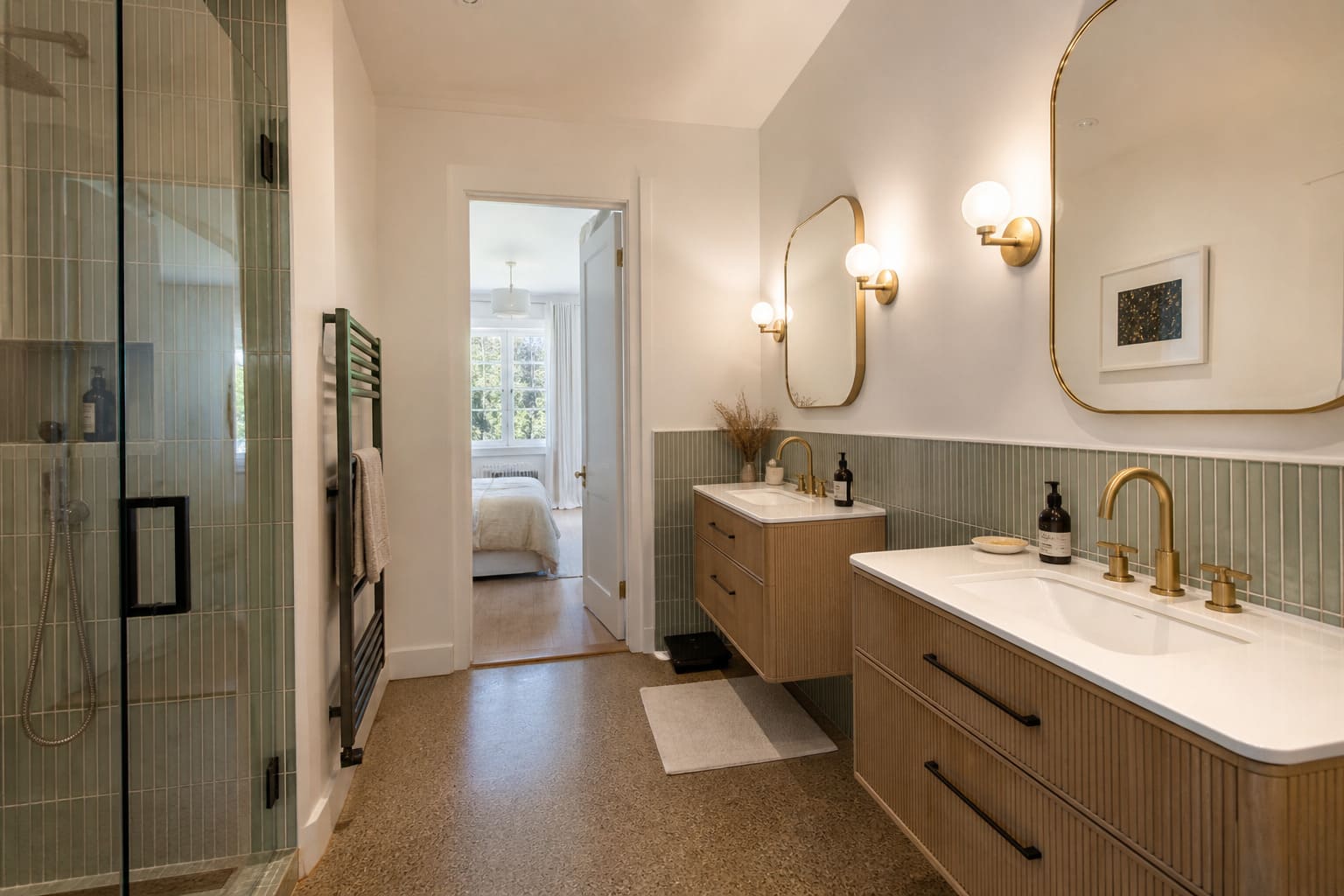
Pick fittings based on space and daily habits. Wall hung basins, dual flush toilets, and shallow vanities suit smaller rooms. Choose taps that match the basin hole type. Stick with one finish such as chrome, black, or brass to create harmony. Ideal Standard and Roca offer practical yet stylish options. Eco friendly upgrades like aerated showerheads or water saving taps can reduce utility bills and support sustainable living.
What heating, lighting and ventilation solutions work best?
Combine heating sources to maintain comfort. Underfloor systems are discreet, while towel rails add fast warmth. For lighting, use bright LED spotlights alongside soft mirror lights. Ensure fixtures meet IP zone ratings. Fit extractor fans that suit the room’s size and include timers or humidity sensors. Energy Saving Trust recommends PIR sensor lighting to lower energy use in low occupancy areas.
What should you test before calling the job finished?
Go through your new bathroom step by step. Run every tap, flush each toilet, and watch drainage closely. Check sealant lines, electrical points, and lighting levels. Use a snagging list to spot anything missed. A second pair of eyes can reveal overlooked details. Fault codes on digital thermostats or smart showers should also be checked before handover.
How do you maintain your bathroom after renovation?
Maintenance preserves performance and looks. Clean tiles with gentle, pH balanced solutions. Reseal joints every year and descale fittings monthly. Keep extractor fans dust free. In hard water areas, dry surfaces after use to prevent limescale. Drain unblockers and extractor fan maintenance routines help prevent minor issues from becoming expensive problems.
What are the most common bathroom renovation regrets?
Many regret skipping ventilation, overlooking storage, or choosing fixtures too quickly. Others find that trendy finishes date fast or that cheap fittings wear out. Delays, mess, and poor coordination are also common. Think practically and plan generously. Avoid buyer remorse by researching choices thoroughly and balancing aesthetic appeal with long term usability.
What’s a realistic renovation timeline and checklist?
A typical renovation follows this sequence:
- Week one: Remove old fixtures and install first fix services
- Week two: Waterproof surfaces, tile walls and floors
- Week three: Install new units, complete electrics, test and clean
Keep a checklist to track materials, deliveries, and appointments. Build in time for delays and leave specialist tasks to certified professionals. Consider product lead time when ordering bathtubs, shower screens, or custom made units.
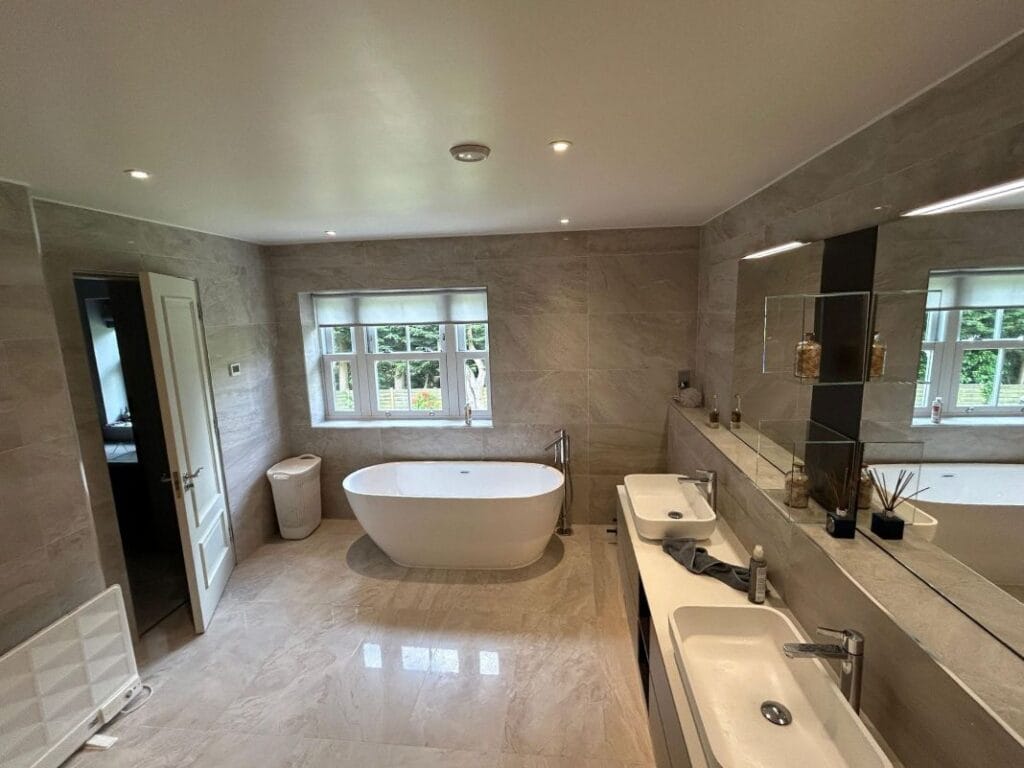
Top 5 Bathroom Renovation Mistakes to Avoid
Avoiding common errors can save time, money, and frustration. Here are five of the most frequent bathroom renovation mistakes homeowners make and how to steer clear of them:
- Not waterproofing properly, leading to hidden leaks
- Choosing fittings before finalising plumbing positions
- Forgetting about ventilation or airflow planning
- Prioritising appearance over storage and function
- Misjudging how long each stage will take
Whether you’re planning a full redesign or just upgrading the essentials, Compact Building offers comprehensive bathroom renovation services that combine practical expertise with polished results.
Final Thoughts
A successful bathroom renovation blends design, regulation, and long term usability. Make careful decisions at each stage, work with experienced tradespeople, and focus on practical comfort. Whether updating fixtures or transforming the entire space, thoughtful preparation brings lasting results.