


How can you decide whether a renovation is truly worth pursuing?
The most reliable way to tell if a renovation is worth doing is to combine logical evaluation with personal relevance. You are not just asking whether it adds value on paper, but whether the result justifies the spend, the process, and the disruption. This includes checking renovation feasibility, understanding borough-level planning constraints, aligning your budget with ceiling prices, and weighing whether the outcome improves how you actually live day to day.

Pro Tip: Always check your ceiling price before budgeting. Overcapitalisation is one of the most common renovation regrets.
Petru Balbaie - Director at Compact Building Ltd
What ‘Worth Doing’ Really Means When You’re Planning a Renovation
Common Misconceptions About Renovation Value
Some ideas about renovation are widely repeated, but they are not always accurate:
- “All renovations add value.” Cosmetic changes may improve appearance but do little for a home’s market value. Some can even reduce appeal if poorly executed.
- “Planning permission is always straightforward.” In London, conservation zones, leasehold conditions, and borough-level policies often complicate approvals.
- “Permitted development covers most work.” Only if your property qualifies. Flats, listed buildings, and areas with Article 4 restrictions often require full planning applications.
When considering what makes a renovation worth doing, you need to evaluate what you gain and what you invest. This includes financial cost, time, effort, and day-to-day disruption. Some projects increase the resale value, while others make your home easier and more enjoyable to live in.
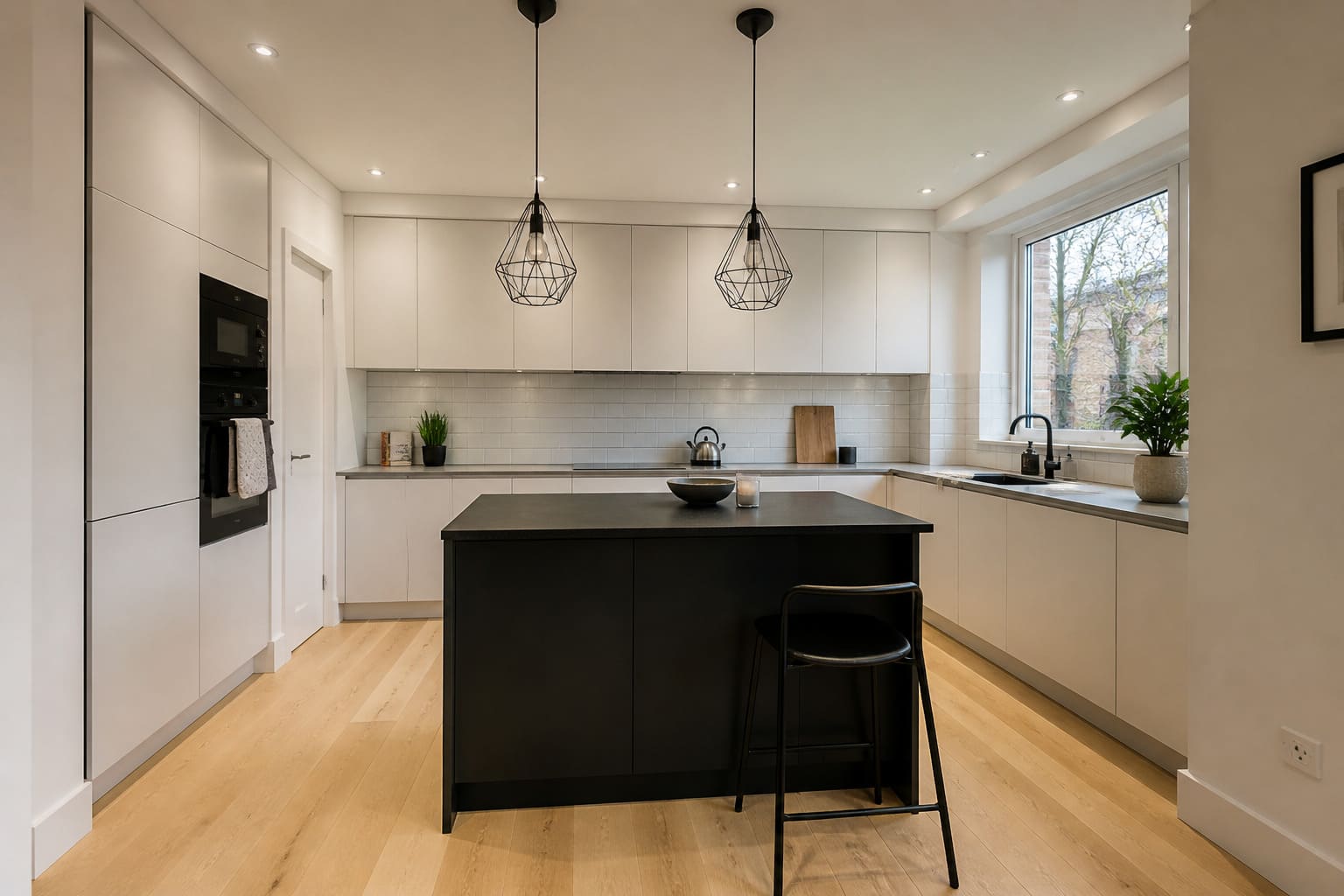
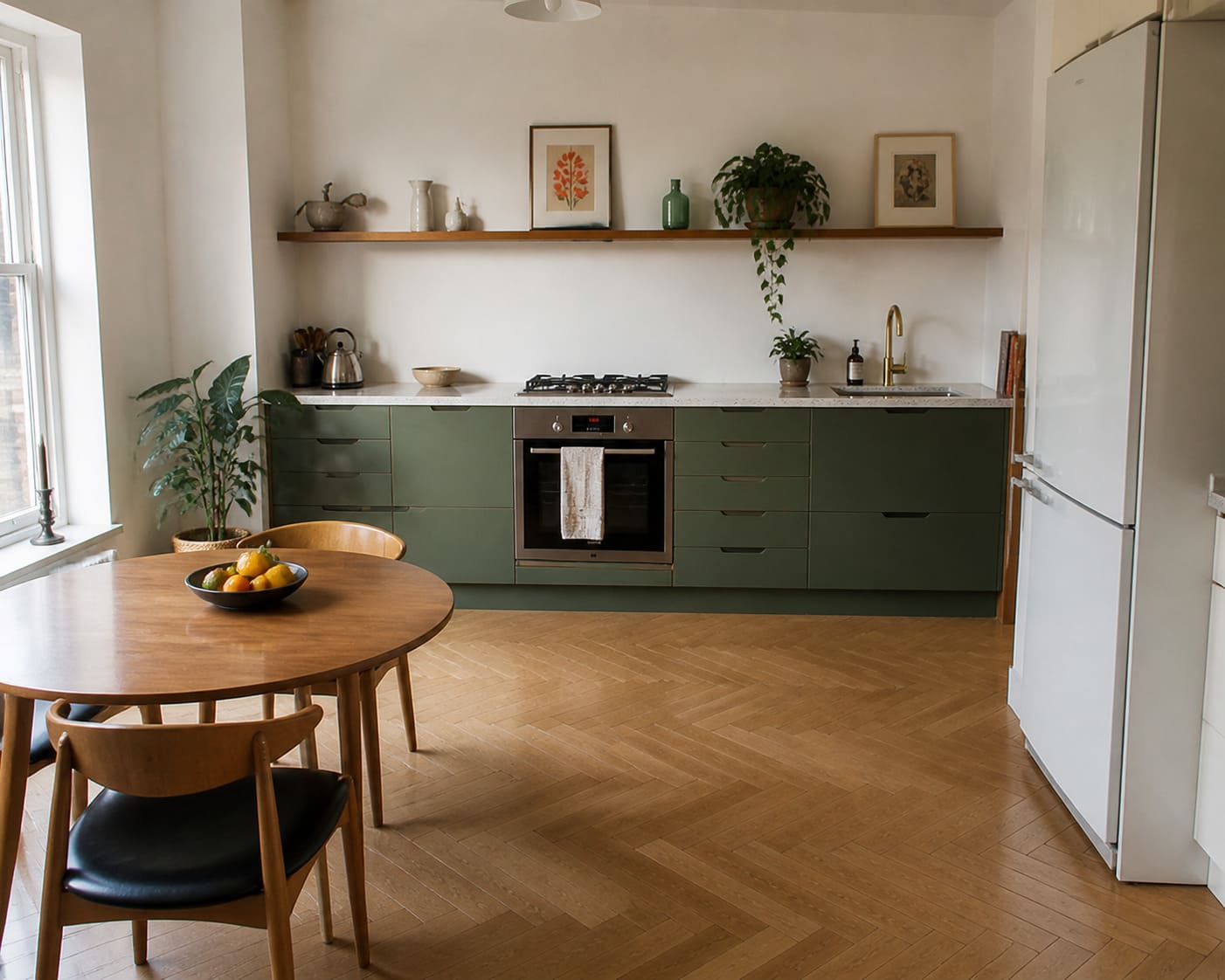
A kitchen extension might not deliver the highest resale boost, but it could provide the counter space and light your home lacks. That kind of change can significantly impact how you use the space.
Your definition of value should reflect your needs. A worthwhile renovation feels personal, purposeful, and planned.
Checking Whether Your Home Can Realistically Support the Renovation
What the Party Wall Act Means for Homeowners
If your renovation affects a wall, floor, or boundary shared with a neighbour, the Party Wall Act may apply. For example, if you are extending sideways or underpinning foundations, you may need to serve notice and appoint surveyors. This process is a legal requirement and often adds time and cost to a project.
Before imagining what the finished result could look like, consider what is structurally and legally possible. Many older London homes come with limitations. Some walls cannot be removed. Staircases may be narrow. Leaseholders often need the freeholder’s permission.
Speak with a planning consultant or surveyor early on. This can help you avoid planning setbacks or design missteps.
Pro Tip: Serve Party Wall notices early. Delays from neighbours can set projects back by weeks.
Petru Balbaie - Director at Compact Building Ltd
Working Out Whether the Costs and Value Align
Most renovation decisions come down to whether the costs align with the value. Start by reviewing ceiling prices for homes in your area. If the renovation takes you far beyond what local buyers typically spend, the investment may not make financial sense.
Remember to include hidden costs such as planning application fees, structural surveys, party wall surveyors, and any temporary accommodation. London labour and logistics also add to the total.
The goal is not to find the cheapest option. What matters is that your renovation cost vs value equation reflects your needs, expected return on spend, and how well the finished space will work for you.
Understanding Whether the Renovation Will Genuinely Improve Daily Life
Not all value is financial. Often, the most rewarding renovations are the ones that improve how you use your home.
If you avoid certain rooms or struggle with layout problems, a renovation could restore functionality and comfort. These adjustments might not boost your resale price significantly, but they can improve your day-to-day experience.
Small layout shifts, extra light, or improved flow can change how your home supports your routine. That kind of functional renovation value often matters more than square footage alone.
Considering the Practical Disruption and Logistics Before You Commit
Every renovation brings some level of disruption, especially in a dense city like London.
You may need permits for skips or scaffolding. Trades may face delivery restrictions due to parking or access. Inside, you will deal with noise, dust, and temporarily lost rooms.
Plan ahead if your kitchen or bathroom will be unusable. Decide whether you can live through the works or need to stay elsewhere. Renovation logistics require time, space, and patience. Think carefully about your tolerance before starting.
Clear Signs a Renovation May Not Be Worth the Investment
Some projects are better delayed or avoided. Red flags include poor planning prospects, serious structural issues, or total costs exceeding the local ceiling price.
If permissions are uncertain or the route involves costly workarounds, the risks may outweigh the benefits.
Emotional readiness is also important. If the thought of navigating disruption, decisions, and spending already feels overwhelming, that could be a sign to hold off. Speaking to a team like Compact Building at this stage can help you step back, review your options, and avoid decisions that may be rushed or misaligned.
Get a Transparent Quote for Your London Renovation
A Practical Checklist to Review Before You Make a Final Decision
What to Ask a Contractor Before You Commit
Before hiring a builder or project manager, ask:
- How do you handle planning permissions and party wall notices?
- What’s your process for sequencing work to reduce disruption?
- Do you anticipate delivery or access issues?
- How do you communicate progress or unexpected changes?
- Can you share references from recent London projects?
These questions help clarify responsibilities and reduce the chance of miscommunication.
- Have you completed a structural survey?
- Do you need permission from your local authority, freeholder, or neighbours?
- Is your budget aligned with the ceiling price for similar homes nearby?
- Will the changes resolve layout issues or improve daily living?
- Can you tolerate the disruption, or do you have alternatives in place?
- Have any warning signs appeared already?
- Is your contingency fund prepared for unexpected costs?
This checklist helps filter decisions and ensures you are ready before moving forward.
Moving Forward With Confidence, Whatever You Decide
You do not have to renovate now. You do not even have to renovate at all. What matters is making an informed, measured decision.
The right project should match your home’s potential, your financial situation, your lifestyle, and your personal timing. If it does not, it is okay to wait.
If it does, Compact Building can support you with practical renovation guidance, from permissions to final handover, while helping you stay in control throughout.