
What are the most effective modern bathroom design strategies for small spaces?
Designing a small bathroom involves careful decisions about how space is used. The most practical ideas focus on planning rather than aesthetics. When modern bathroom design principles are applied intentionally, compact spaces become more efficient and enjoyable. These strategies reflect how people really use their bathrooms and emphasise layout, flow, and day-to-day comfort.
Pro Tip: Use the same flooring across the entire bathroom to make the space feel visually larger and more unified.
Petru Balbaie - Director at Compact Building Ltd
Why Modern Design Works Best in Small Bathrooms
Size isn’t always the issue. Many small bathrooms fall short because of poor layout and misplaced fittings. Modern design approaches the room as a whole system. Rather than adding more, it improves how the space functions.
Showrooms look appealing but don’t reflect everyday homes in the UK. It’s better to focus on how you move within the room and what gets used regularly. A well-planned bathroom layout for small spaces should feel comfortable and straightforward rather than awkward or cluttered. If you want to avoid renovation regret, you should design for function rather than fashion.
Choose Wall-Hung Fixtures to Free Up Floor Space
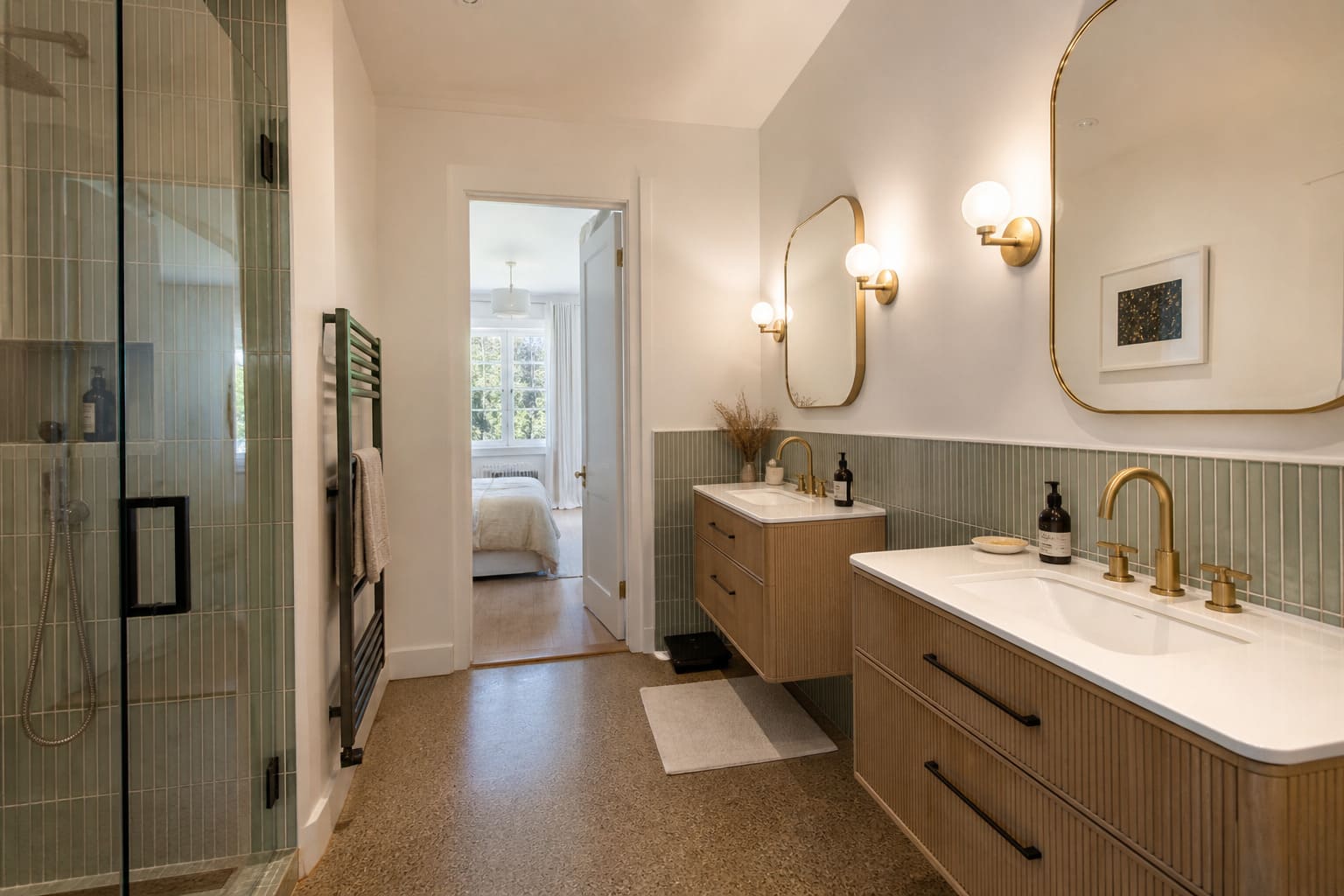
Wall-hung fittings offer a major improvement in limited spaces. Raising the toilet and basin off the floor opens up more visible area and makes cleaning easier. It also helps the room feel less crowded.
These fittings are reliable when installed properly using concealed cisterns. They enhance floor visibility and help define space around each element. Wall-mounted options suit modern layouts by creating a sense of openness and flow.
A simple change like this supports floor continuity, improves clearance zones, and enhances functional reach in daily routines.
Replace Bulky Layouts With a Walk-In or Wet Room Shower
Shower choices influence how a bathroom works. Replacing enclosed units with walk-in or wet room options improves movement and makes better use of tight layouts.
Removing floor thresholds helps create smooth transitions. Water control is essential, and with good waterproofing and thoughtful screen placement, this type of layout works well.
Not every home needs to remove a bath. The decision depends on how the space is used. The goal is to support comfort and avoid unnecessary restrictions.
Walk-in shower small bathroom solutions and wet room design ideas allow for more flexibility and clearer zoning. They are ideal in bathroom design for limited space, where every decision has a spatial impact.
Use Vertical Storage to Keep the Room Visually Open
Storage needs to support the room rather than overpower it. Thinking vertically is often the best approach in smaller bathrooms.
Tall cabinets, mirrored units above sinks, and recessed shelves add bathroom storage for small spaces without cluttering the floor. They keep things accessible while making the room feel more open.
What is used every day should be easy to reach. Items used less often can be placed higher. This way, storage remains functional without adding bulk.
Vertical bathroom storage improves both visual openness and functional reach. You can avoid eye-level clutter to preserve light spill and uninterrupted sightlines.
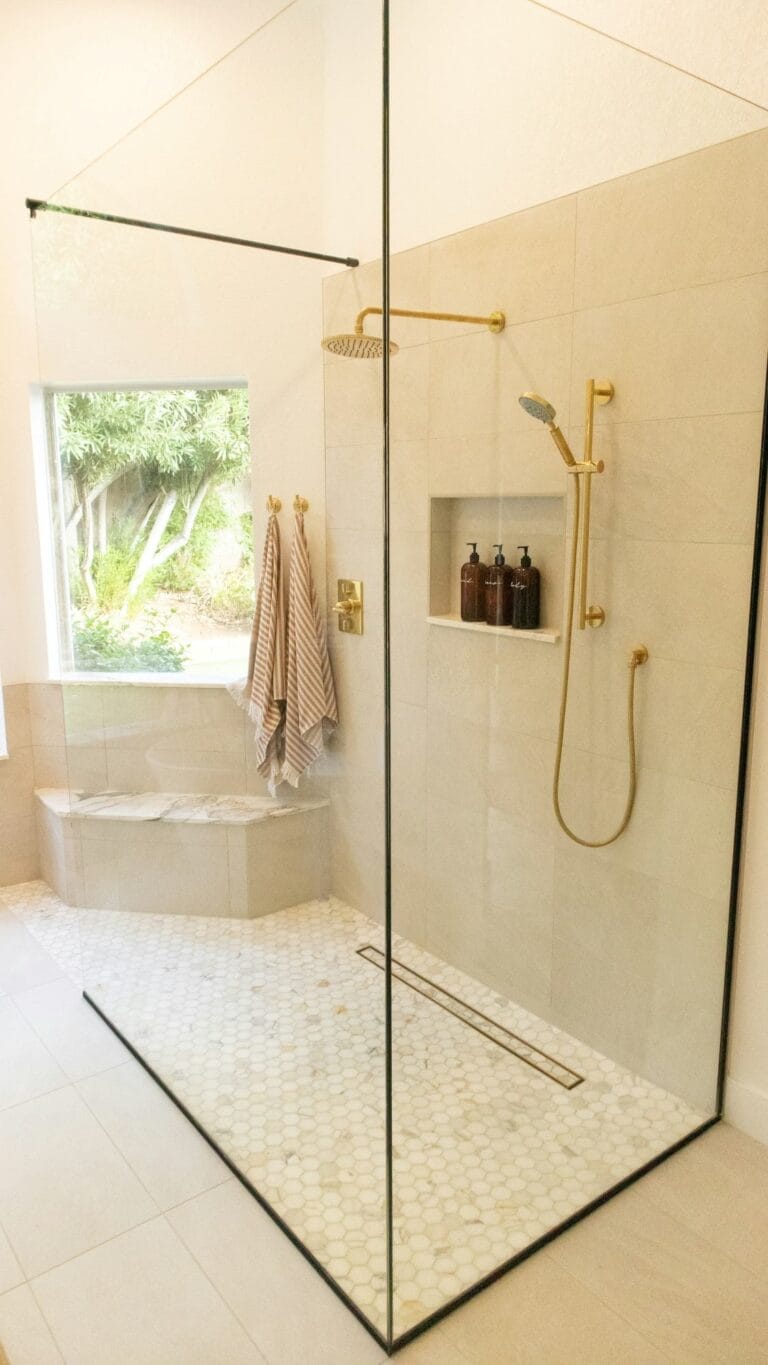
Opt for Large-Format Finishes to Reduce Visual Breaks
Surface finishes affect how a bathroom feels. Smaller tiles mean more grout lines and visual interruption. Large-format tiles create smoother, more continuous surfaces.
Matching floor and wall finishes, or keeping them tonally close, helps the space feel joined together. Rectified tile edges allow for narrow grout lines, which keeps the finish clean.
These space-enhancing tile choices support surface continuity and visual rhythm. They are a subtle part of modern bathroom finishes that can dramatically improve how scale is perceived in a compact space.
Let Light and Mirrors Work Together to Extend Sightlines
Light and mirrors do more than improve visibility. Together, they stretch the space visually and reduce shadowed areas.
Position mirrors opposite windows or near light sources to maximise brightness. This also deepens sightlines and makes corners feel less enclosed.
A layered lighting setup that includes overhead, task, and ambient lighting gives you options. Using warm or cool lighting shifts how the space feels. LED bathroom lighting and smart mirror placement enhance usability and mood without added clutter.
Pay attention to light spill and depth perception to get the most out of small bathroom lighting ideas.
Simplify the Colour Palette to Create Visual Continuity
Colour can shape how enclosed or open a bathroom feels. Using too many bold contrasts in a small space creates visual tension. It is better to stick to tonal colour schemes.
Neutral shades with texture add warmth without overwhelming the space. Contemporary bathroom colour schemes that favour material harmony and palette discipline support a calm atmosphere.
Limiting stronger colours to focused areas, such as a single wall or feature shelf, can keep things interesting without disrupting the overall look. These approaches align with minimalist bathroom design and modern bathroom colour ideas that work in limited spaces.
Pro Tip: Keep your colour palette restrained but layer in texture to add depth without adding visual clutter.
Petru Balbaie - Director at Compact Building Ltd
Don’t Waste Your Next Bathroom Renovation
Prioritise Layout Flow Over Adding More Features
When every inch matters, how you move through the space matters more than what fills it. Layout decisions should support daily routines and easy movement.
Check how doors open, how fixtures are spaced, and where the pinch points are. Avoid filling the room with extras that limit circulation or access.
Modern bathroom layout ideas for small spaces focus on movement first. Compact bathroom planning creates more comfort by allowing for flexibility and avoiding the trap of over-designing.
If you are wondering how to make a small bathroom look bigger, start by clearing the path rather than just the surfaces.
Common Mistakes to Avoid in Small Bathroom Design
Mistakes in planning often lead to wasted space or regret. A few issues come up time and again:
- Dark colour schemes without good lighting can make rooms feel closed in.
- Oversized fittings may dominate the layout and limit flow.
- Skipping circulation planning leads to uncomfortable movement.
- Too much built-in storage can overwhelm the room visually and practically.
Noticing these early helps you plan around them.
Before You Start: A Quick Planning Checklist
- Measure the space, including floor and ceiling height.
- Locate plumbing and structural elements.
- Think through your daily routines.
- Identify who uses the room and what is needed nearby.
- Decide what is most important, comfort, storage, simplicity, or easy maintenance.
This helps ensure decisions are based on real use rather than assumptions.
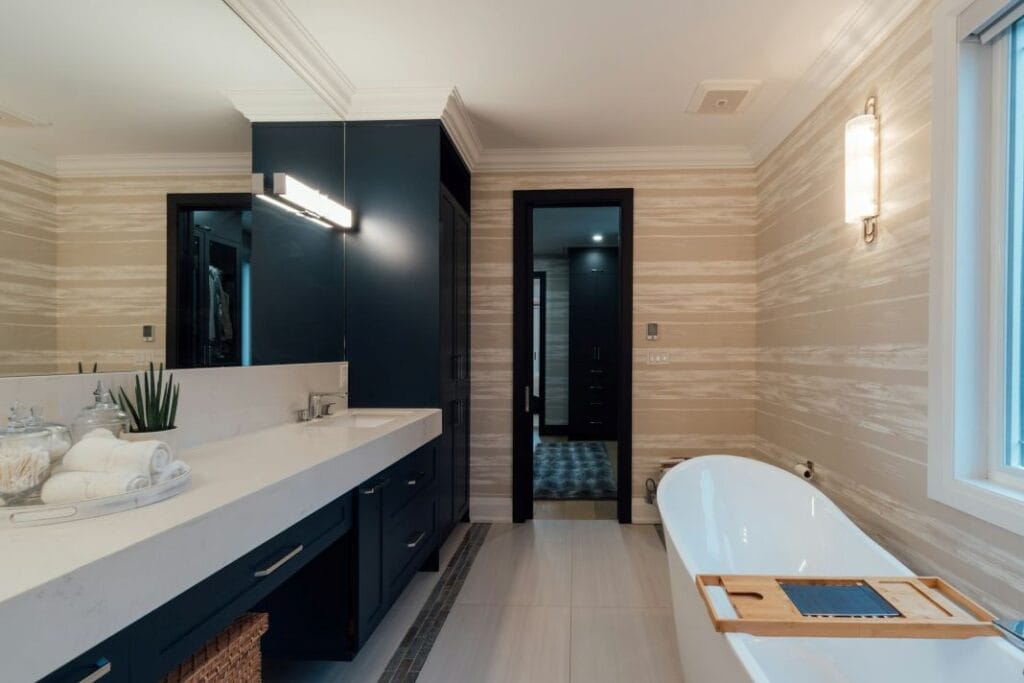
Making Small Bathrooms Feel Considered, Not Compromised
A small footprint does not mean limited outcomes. With the right plan, a compact bathroom can be easy to use, relaxing, and long-lasting.
Modern small bathroom design works when it is based on real needs. Prioritising space, flow, and usability leads to stronger results than chasing trends.
Compact Building works with homeowners to plan smarter. A focus on layout, comfort, and everyday needs results in spaces that are genuinely better to live with.
Even the smallest room can feel balanced and functional when choices are made with care.