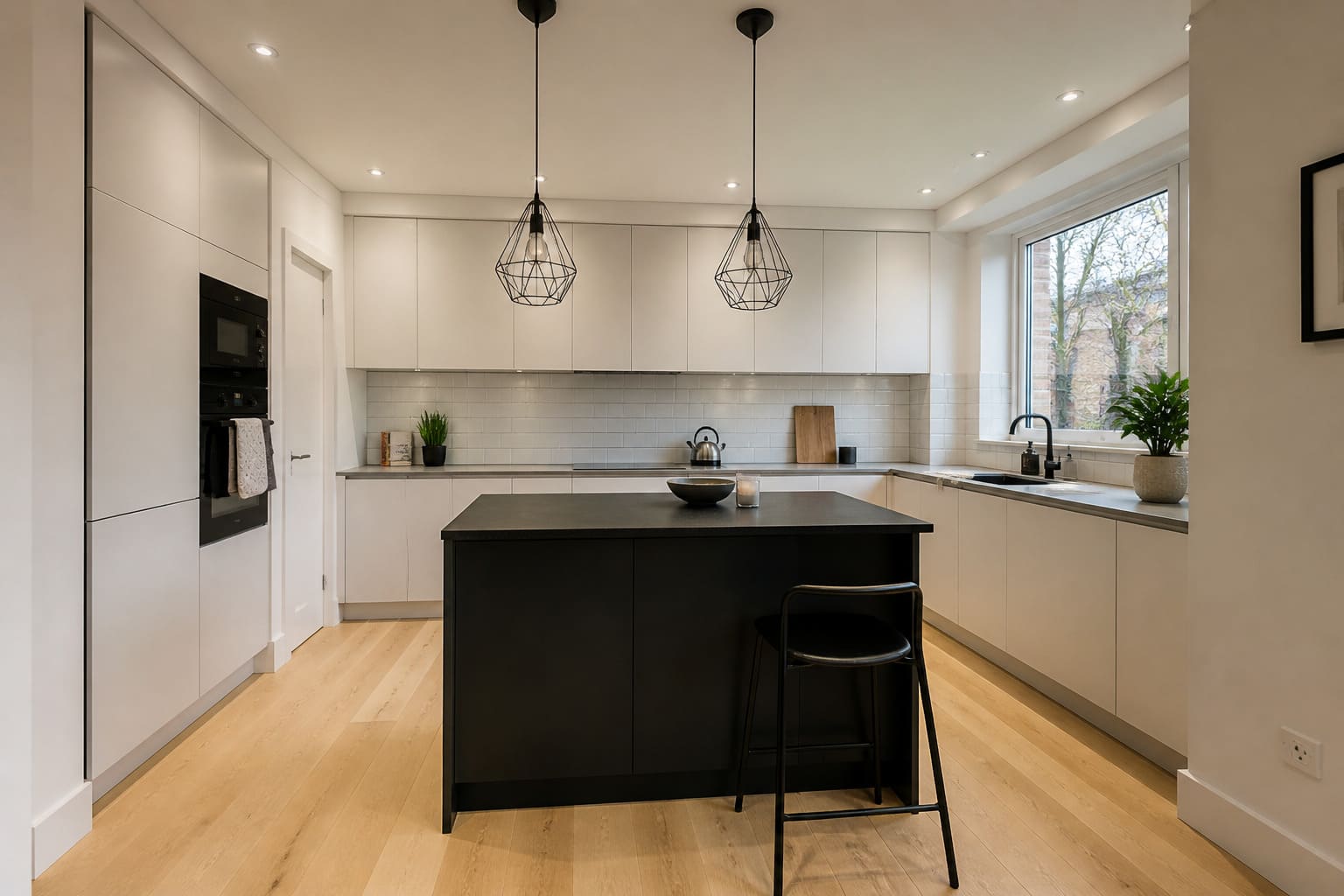



What is the real difference between a smooth renovation and a costly one?
A smooth renovation feels controlled from the outset. The plan is clear. The roles are defined. The decisions have already been made. What makes the difference is not the materials or the builder. It is the structure that supports the project from the ground up. A costly renovation usually results from guesswork, missing detail, or last-minute problem-solving.

Pro Tip: Always finalise your design before quoting. Adjustments mid-build cost more than early decisions.
Petru Balbaie - Director at Compact Building Ltd
Why do so many renovations go wrong before construction even starts?
Most problems begin before a builder steps through the door. Vague or fragmented plans lead to a reactive build. Planning needs to go beyond surface decisions. It must shape logistics, permissions, timelines, and financial control. Without that structure, delays, overspending, and stress become almost inevitable.
How can your own decisions create hidden risks during a renovation?
When you make design choices without linking them to practical execution, they can cause problems later. For example, a beautiful layout might require structural changes that were not accounted for. Managing expectations starts with aligning design with buildability and cost impact.
What should a proper renovation plan actually include?
A complete plan does more than describe what will change. It explains how that change will happen. It should contain:
- Confirmed structural feasibility
- A phased construction timeline
- Cost forecasting reviewed by a quantity surveyor
- Clear sequencing of trades and dependencies
- Approvals for planning and building control
When any of these are missing, decisions will need to be made under pressure.
How long should renovation planning take?
Most renovation plans require 4 to 8 weeks to develop properly. That time includes structural checks, design coordination, accurate quoting, and planning submissions. Trying to rush this stage usually leads to costly gaps.
For more complex builds, CDM regulations may apply. The planning timeline should also account for architectural drawings and cost validation.
Pro Tip: Build timelines need lead times. Order key materials early to avoid expensive site delays.
Petru Balbaie - Director at Compact Building Ltd
What permissions or approvals might your renovation need?
Depending on the nature of the work, you may require:
- Planning permission
- Building regulations approval
- Party wall notices
- Leaseholder or freeholder consent (for flats)
All of these take time to secure. They need to be part of your early planning — not a mid-project scramble.
What makes renovating London homes particularly challenging?
Renovation projects in London face three predictable constraints: limited space, layered regulations, and close proximity to neighbours. This leads to:
- Restricted delivery and storage access
- Service upgrades with hidden legacy issues
- Strict enforcement of local permissions
A successful plan must account for these from the start.
What are the most common hidden costs when planning falls short?
When plans lack depth, surprises multiply. Common examples include:
- Undiagnosed structural repair needs
- Overlapping trades due to poor sequencing
- Missed permission requirements that delay progress
- Rework due to unclear specifications
These issues often show up mid-build, when they are most expensive to resolve.
Why does accurate renovation cost planning matter so much?
Cost forecasting should not be vague. A good cost plan gives you visibility, helps you phase decisions, and prevents budget drift. It also strengthens communication with your contractor. When costs are transparent, conversations stay grounded.
Having a quantity surveyor involved from the start adds clarity and reduces last-minute changes.
Full Renovation Services
Should your renovation budget include a contingency?
Yes. Contingency is not about indecision. It is how well-planned builds stay flexible. A reserve of 5 to 10 percent allows for the unexpected, such as concealed damage, material substitutions, or regulatory revisions.
This margin protects your timeline and prevents decision-making under pressure.
How does build sequencing and lead time planning keep your renovation on track?
Every part of a build depends on timing. One delay has knock-on effects. If sequencing is not mapped out clearly, trades can conflict or be left waiting. Likewise, lead times for items like windows or structural steel must be built into the programme.
Project managers and designers coordinate these moving parts to keep progress steady.
How do professionals prevent problems before construction starts?
Professionals bring foresight. They coordinate timelines, spot documentation gaps, and confirm compliance before the site opens. A designer might flag spatial issues. A surveyor might challenge a price. Their input is collaborative and preventative.
This kind of preparation is what allows builders to focus on delivery instead of dealing with preventable problems on site. Compact Building Ltd brings this same level of clarity and control to every renovation it manages, ensuring projects start on solid ground.
What are the signs your renovation plan isn’t actually build-ready?
You may not be ready to begin if:
- There is no detailed schedule of works
- Key decisions are still unresolved
- Approvals are still pending
- There is no clear sequence for trades or deliveries
If your contractor needs to ask follow-up questions to clarify the plan, you still have work to do.
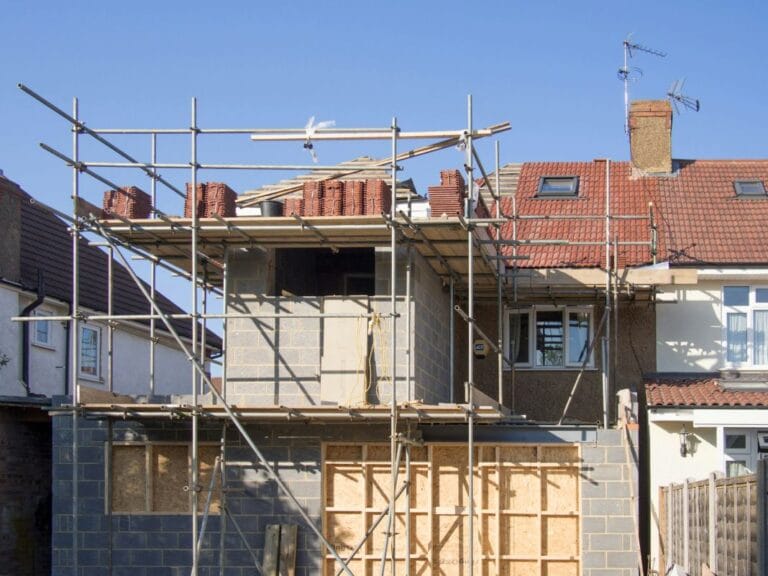
What does a well-planned renovation feel like for the homeowner?
You feel informed, not overwhelmed. You know what happens next. You are not making rushed decisions or putting out fires. The team is aligned. When problems arise, there is already a method for dealing with them.
Good planning does not remove stress, but it gives it boundaries.
What questions should you ask yourself before starting the planning process?
- Is the scope of work fixed and realistic?
- Do I know which permissions will be needed?
- Is my budget based on verified costs?
- Who will manage timelines and trade coordination?
- Is the design detailed enough for accurate pricing?
Answering these early gives your project a solid foundation.
How should you view renovation planning as part of your financial strategy?
Planning is your first layer of protection. It limits rework, controls spend, and gives shape to your expectations. In London, where renovation costs are significant, it is the most valuable part of your build.
It also influences long-term return on investment. A well-planned renovation is more likely to meet value goals, protect quality, and finish without regret.
Compact Building Ltd supports homeowners with full renovation planning and build-readiness services across London. Our structured approach ensures every project runs smoothly, from pre-construction through to completion.