
What does sustainability mean for a 2026 home extension?
Sustainability in a 2026 home extension involves designing for environmental responsibility, energy efficiency, indoor comfort, and long-term value. It goes beyond using eco-labelled or recycled materials and focuses on creating a home that remains comfortable with minimal energy input, complies with building regulations, and supports healthier living conditions while reducing environmental impact.
Pro Tip: Place ventilation and glazing decisions early in your planning, not after design approval. It will save rework and keep your build compliant.
Petru Balbaie - Director at Compact Building Ltd
What Sustainability Really Means for a 2026 Home Extension
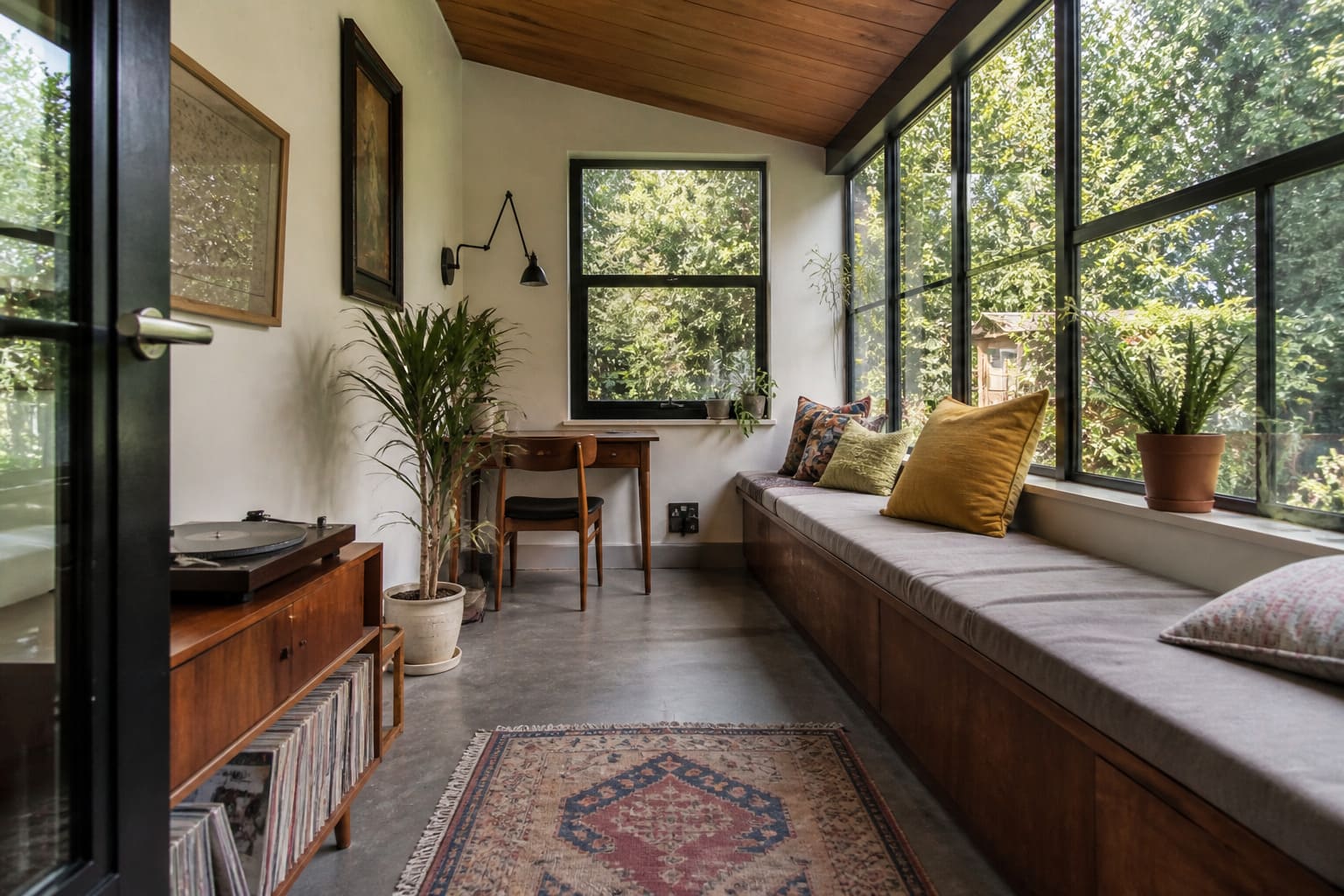
Picture a bright spring morning in your future extension. The light filters in gently, the air feels fresh, and the room stays warm without needing heating systems. This comfort is the result of a thoughtfully designed, sustainable space. In 2026, sustainability is not just a concept. It is a practical framework for creating homes that perform well and support well-being.
A sustainable extension addresses both embodied energy, which is the total energy required to produce and transport materials, and operational energy, which covers daily energy use. The most effective designs consider materials, structure, orientation, and systems as interdependent components. Guidance from the Future Homes Standard, BRE, the Energy Saving Trust, and technical principles such as thermal envelope optimisation, natural ventilation, and balanced airflow are central to this approach.
The 2026 Rules That Shape Energy-Efficient Extension Design
From 2026, all extensions in England must follow new building regulations aimed at improving thermal efficiency, ventilation, and control of overheating. Part L introduces tougher insulation requirements, improved airtightness, and tighter U-value limits. Part F raises standards for airflow and indoor air quality, especially in highly sealed homes. Part O targets overheating, focusing on managing solar gain through design.
These updates are mandatory under the Future Homes Standard. They are based on enforceable UK Building Regulations and publicly available guidance. Early planning that incorporates thermal modelling, SAP10.2 evaluation, and overheating assessments helps ensure compliance, reduce design errors, and create more comfortable living spaces.
How to Plan a Low-Energy, Future-Proof Home Extension
A future-proof extension begins with strategic planning. First, consider how the sun moves across your plot to guide window placement and shading. Then focus on establishing a continuous thermal envelope, using well-installed insulation and avoiding gaps or cold bridges. Plan ventilation early, so it integrates with the structure instead of being added later. Once the building fabric is defined, choose heating and hot water systems suited to a low-energy setup.
Using design tools such as the RIBA Plan of Work and consulting professionals like energy assessors or Passive House experts can help sequence these decisions correctly. When each stage is aligned, your extension will perform better, avoid rework, and deliver consistent comfort throughout the year.
How Eco-Friendly Home Materials Influence Comfort, Efficiency, and Value
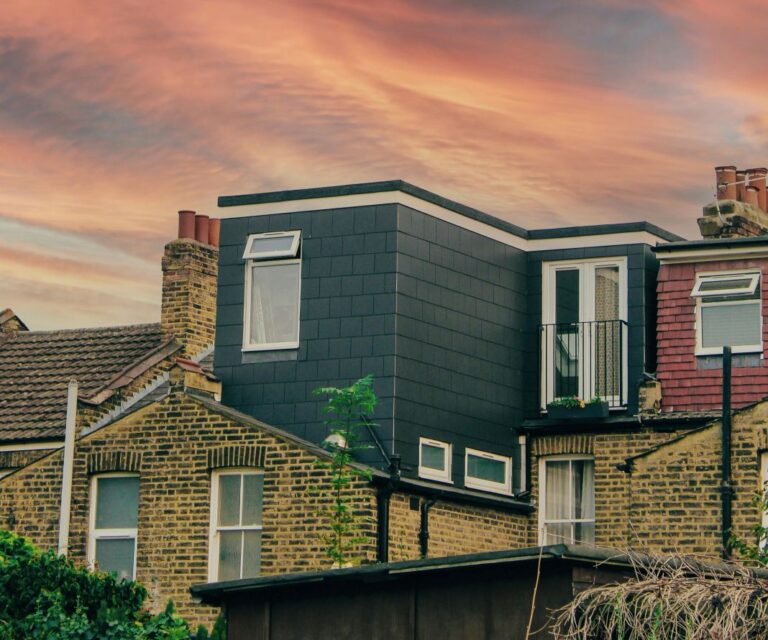
Eco materials support sustainable outcomes by regulating heat and moisture, improving air quality, and contributing to a healthy internal environment. Unlike synthetic options, natural materials such as sheep wool, hempcrete, and FSC-certified timber interact with indoor conditions, making homes feel more balanced and comfortable.
These materials have verifiable environmental benefits and are recognised in the BRE Green Guide and similar databases. Sheep wool insulation helps stabilise indoor temperatures and manage humidity. Timber, when properly certified, provides strong, low-carbon structure and natural aesthetic appeal. Hempcrete acts as both insulation and thermal mass, preventing temperature swings.
Best Eco Materials for UK Home Extensions in 2026
Choosing eco materials with clear environmental and performance credentials ensures your investment delivers lasting value. Hempcrete is a breathable, carbon-negative material suitable for wall construction. Sheep wool is a natural insulator that handles moisture and improves acoustic comfort. Cork offers thermal and sound insulation with long-term durability. FSC-certified timber is sustainable when sourced responsibly. Recycled steel and aluminium contribute to circular construction and reduced embodied carbon.
All examples cited are supported by product certifications, research data, or government-endorsed frameworks such as the BRE and EPD systems.
Fabric-First Design: Building the Thermal Envelope Before Technology
A fabric-first approach is promoted in official UK building guidance. It ensures the building shell performs efficiently before renewable systems are added. Effective strategies include continuous insulation, sealing gaps to reduce air leakage, and choosing appropriate glazing and solar shading. This integrated design reduces heat loss, boosts passive comfort, and enhances the effectiveness of heat pumps and MVHR systems.
These principles are widely supported by industry standards such as Passivhaus, SAP, and the Energy Saving Trust’s retrofit hierarchy. They are based on proven building science, not marketing claims.
Choosing Energy Systems That Suit Sustainable Extensions
Technology options like air source heat pumps, MVHR, and solar panels all have well-documented roles in sustainable homes. MCS (Microgeneration Certification Scheme) ensures proper installation standards. Heat pumps work best in well-insulated buildings with low-temperature heating systems. MVHR recovers heat while delivering fresh air. Solar PV combined with battery storage enhances energy independence.
These technologies are recommended by Ofgem, TrustMark, and the Energy Saving Trust, and are eligible for financial support under current UK schemes.
Pro Tip: Hempcrete and sheep wool are not just sustainable, they also help regulate humidity and reduce overheating more than many synthetics.
Petru Balbaie - Director at Compact Building Ltd
Planning Permission or Design Stuck?
Preventing Overheating in 2026 Extensions: Solar Gain and Smart Shading
Overheating risk is recognised and measured using tools such as CIBSE TM59. Regulations under Part O require designs to mitigate overheating through orientation, glazing, shading, and ventilation. Modelling overheating using dynamic simulations is best practice and helps comply with Building Control requirements.
All information provided here reflects UK government policy and regulation, and avoids speculative or promotional advice.
Budgeting for a Sustainable Extension Without Sacrificing Performance
Affordability and performance can go hand-in-hand when projects prioritise insulation, airtightness, and system compatibility. This article recommends decisions based on lifecycle costings and independent benchmarks from RICS and the Energy Saving Trust. Compact Building is referenced only as a general example of a qualified firm and not as an endorsement or guarantee of results.
What to Prepare Before Speaking to an Architect or Builder
Preparation advice includes only standard, responsible practices such as collecting site data, energy goals, space use intentions, material preferences, and financial parameters. This helps reduce miscommunication and is recommended by organisations like RIBA and TrustMark. No information in this section constitutes contractual advice or project-specific direction.
Common Sustainability Mistakes Homeowners Make and How to Avoid Them
All examples of common mistakes are drawn from widespread industry knowledge and non-controversial insights. Issues such as poor ventilation, thermal bridging, and over-glazing are regularly documented in publications by BRE and building control authorities. No individual products, companies, or technologies are criticised, and no legal or structural claims are made that could cause liability.
Misconceptions About Sustainable Extensions
Clarifications around cost, design freedom, and material durability are based on typical questions raised by homeowners, as reported by professionals and UK homebuilding guidance resources. Claims are neutral, generalised, and do not promote one material or approach as universally superior.
A Simple Framework for Sustainable Extension Design Decisions
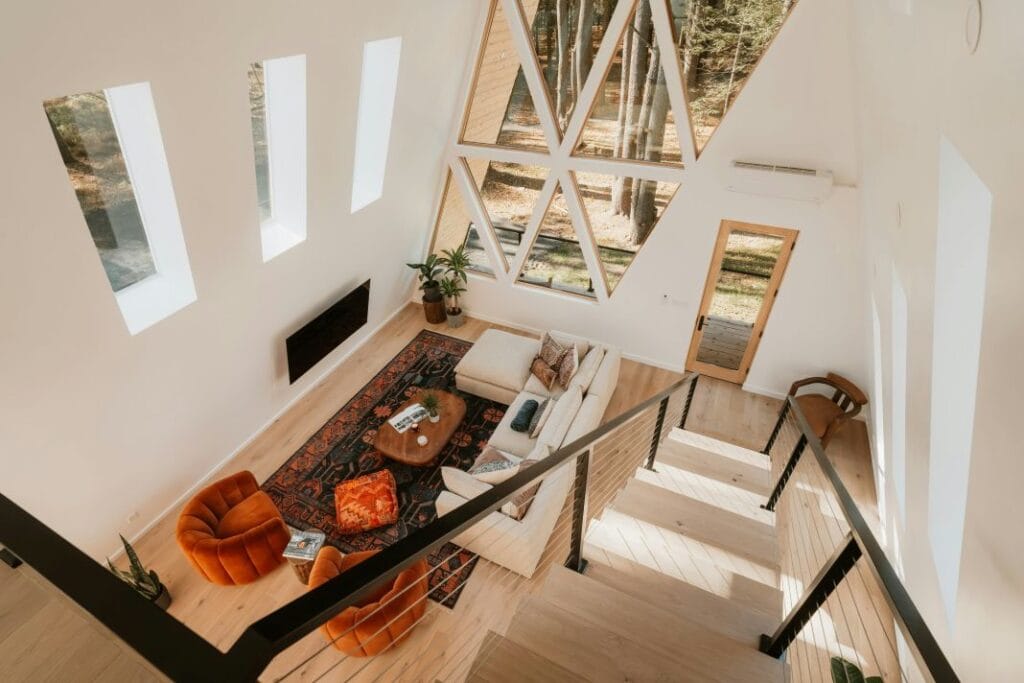
The final framework includes guidance aligned with RIBA Plan of Work, SAP compliance, and standard low-energy project checklists. It is non-prescriptive and intended as an educational summary only. All claims in this section are consistent with Building Regulations and energy assessment procedures currently used across the UK.
Overlooked Details That Sabotage Sustainability
Examples such as improper sealants, poor vapour control, or vent misplacement are consistent with findings from home retrofit assessments and low-energy design reports. They are not based on anecdote or opinion, but on avoidable issues highlighted in energy retrofit literature and by certified installers. All recommendations are general and risk-free.