

What makes walk-in shower installation in NW London different, and what should homeowners consider about drainage, waterproofing, and cost?
Installing a walk-in shower in NW London requires careful attention to local housing types, effective drainage and waterproofing, and a thoughtful approach to cost drivers. Success depends on recognising the unique characteristics of London homes, coordinating legal and technical requirements, and investing in strong project management from the outset.
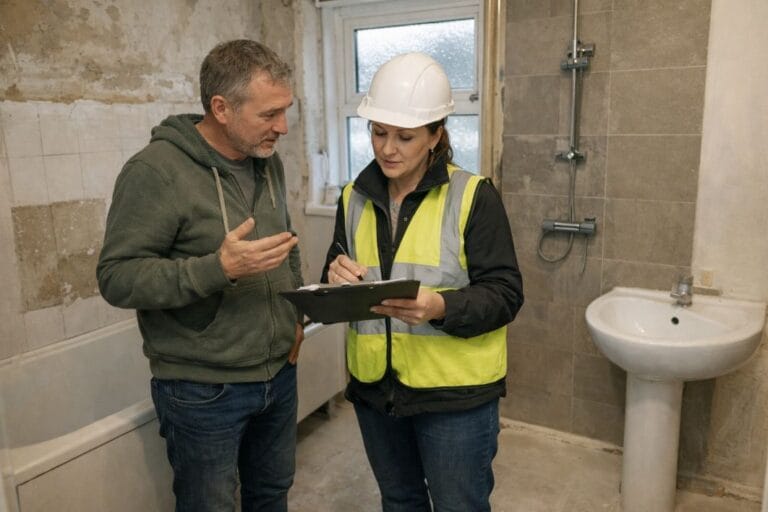
Pro Tip: Plan your shower layout around the existing floor structure to minimise disruption and ensure efficient drainage installation.
Petru Balbaie - Director at Compact Building Ltd
Understanding Walk-In Showers in NW London Homes
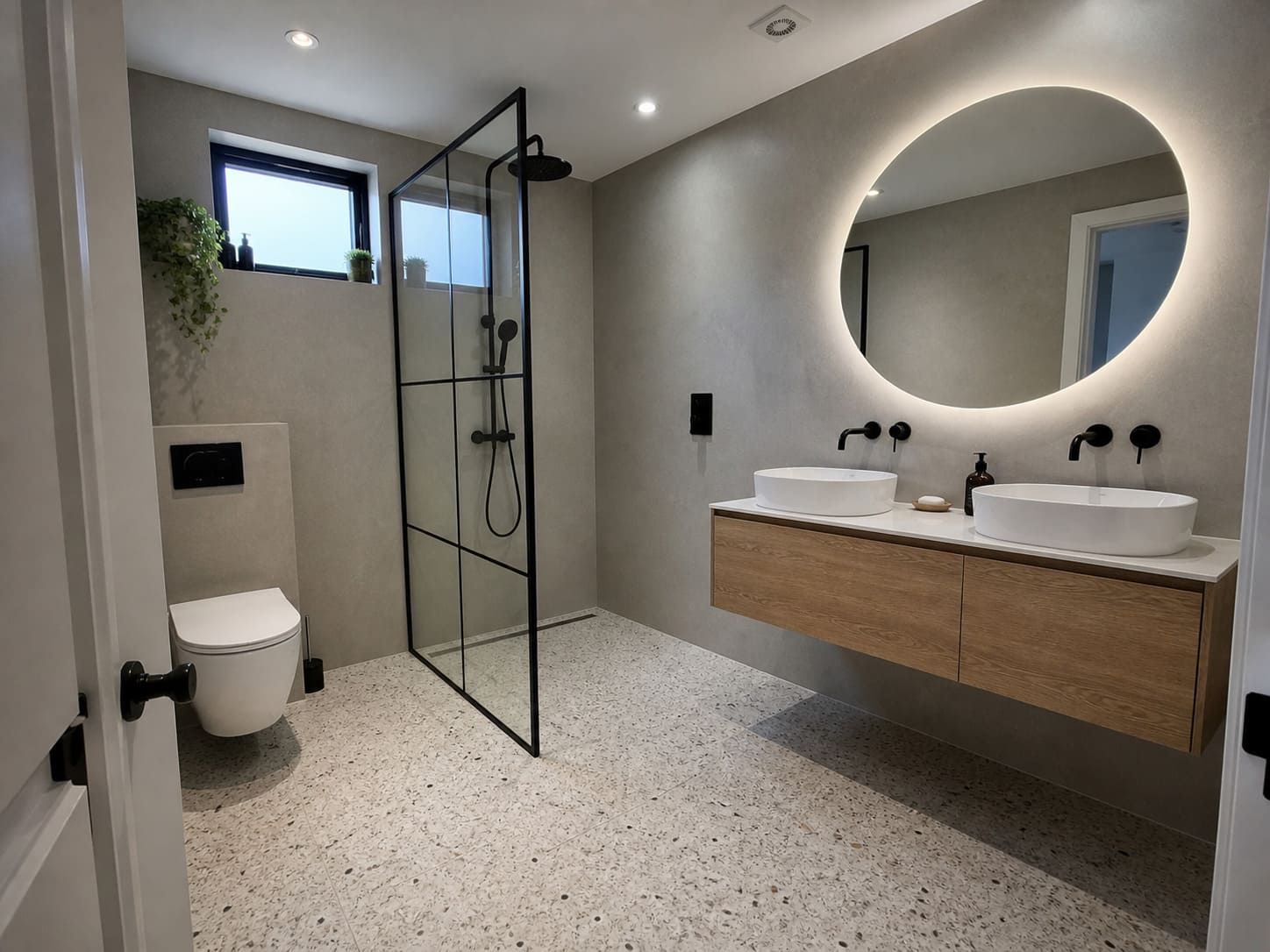
Walk-in showers have become a popular option for homeowners across NW London. The appeal lies in their ability to offer modern style, accessibility, and space efficiency within the diverse range of properties found in the area.
Several factors make walk-in showers particularly suited to NW London homes:
- Efficient use of compact bathrooms or en suites
- Increased accessibility for all ages and mobility needs
- Opportunities for contemporary design in period properties
- Potential to improve long-term value, even in smaller spaces
For many, the prospect of fitting a walk-in shower into an older terrace or a converted flat may seem challenging. However, careful planning and expert installation often reveal more flexibility than expected. Addressing space constraints, integrating with original layouts, and working within local planning guidelines are all routine for experienced professionals in the area.
Local authorities and Building Regulations, such as Part M for accessibility, do apply, and and with the right partners, homeowners are able to achieve practical, stylish results without compromising on function or safety.
Pro Tip:Choose certified installers with experience in NW London properties to help prevent issues with neighbours and achieve compliant waterproofing.
Petru Balbaie - Director at Compact Building Ltd
Drainage Considerations for Walk-In Showers
Proper drainage is a cornerstone of every successful walk-in shower installation, especially in the varied architecture of NW London. Inadequate drainage can lead to leaks, damp, or even disputes with neighbours, particularly in flats and period conversions.
Key drainage considerations include:
- Ensuring the correct floor gradient for efficient water run-off
- Selecting and positioning shower wastes (gravity or pumped, depending on property type)
- Accounting for existing floor structure and joist direction
- Complying with Building Regulations (Part H) for sanitary installations
- Preventing water ingress to neighbouring properties
A common pitfall in older homes is assuming that drains can be adjusted with minimal disruption. The reality is that each property’s construction, from suspended timber floors to reinforced concrete, demands a tailored solution. For example, period flats may require raised shower platforms or specialist waste pumps to manage limited drainage falls.
Choosing a reliable company with local knowledge, such as Compact Building Ltd, helps avoid these hidden pitfalls and protects both your property and your neighbours’ interests.
Waterproofing: Protecting Your Home and Neighbours
Few aspects of a bathroom renovation carry greater weight than effective waterproofing. In the dense housing landscape of NW London, a small leak can have consequences that extend well beyond your own home.
Consider this brief scenario: a first-floor flat undergoes a walk-in shower refit. Months later, water stains begin to appear on the downstairs neighbour’s ceiling. The repair costs are significant, insurance providers get involved, and neighbourly relationships become strained. In nearly every case, inadequate waterproofing is to blame.
Strong protections include:
- Use of waterproof membranes beneath tiles and on all shower-adjacent surfaces
- Tanking systems for floors and lower walls, ensuring a barrier to moisture migration
- Installation by certified professionals familiar with British Standards (BS 5385)
- Compliance with Building Regulations and documented quality for insurance purposes
Proper waterproofing prevents leaks but also supports long-term peace of mind and protects property value. Seasoned renovation firms, including Compact Building Ltd, integrate these measures as standard to help avoid future disputes and unexpected remedial work.
Request a Personalised Quote
What Affects the Cost of Walk-In Shower Installation in NW London?
The true cost of installing a walk-in shower in NW London is shaped by a mix of property constraints, specification choices, and the challenge of important systems like drainage and waterproofing. While every project is unique, several key factors influence the investment required.
Cost drivers include:
- Property type and access (e.g. Basement flat versus loft bathroom)
- Challenge of drainage alterations and waterproofing upgrades
- Level of finish, fixture quality, and accessibility features
- Planning permissions or approvals required for listed or shared properties
- Additional works revealed only once the project has started
For example, a ground-floor extension in a mid-terrace house with easy access may allow for efficient plumbing adjustments, while a top-floor conversion with neighbouring flats below may demand more involved drainage and tanking works. Transparent, structured project management, a hallmark of companies like Compact Building Ltd, helps set realistic expectations and reduces the likelihood of “hidden” costs.
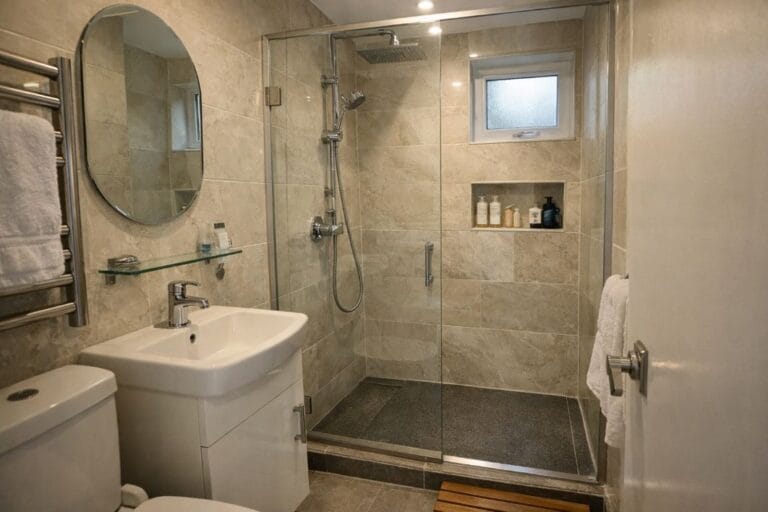
Planning and Managing a Walk-In Shower Project in NW London
A well-planned walk-in shower installation unfolds as a coordinated series of steps, each designed to keep disruption low and progress predictable in busy London settings. Professional project management ensures that every detail, from permissions to finishing touches, is addressed with care.
The planning process typically involves:
- Assessment of property suitability, access, and necessary permissions
- Design phase, including layout, specification, and accessibility considerations
- Sequencing of trades to improve workflow and manage site logistics
- Clear communication with the homeowner about timelines and contingencies
- Regular on-site supervision to maintain standards and respond to unforeseen challenges
Effective management transforms what might feel like a challenging process into a structured, manageable experience. Firms with local expertise understand how to coordinate with neighbours, meet regulatory requirements, and minimise unnecessary disruption.
Making Informed Decisions: Next Steps for NW London Homeowners
Installing a walk-in shower in NW London is a significant undertaking that rewards careful thought and professional guidance. By understanding the roles that drainage, waterproofing, and cost planning play, homeowners are well positioned to achieve a successful result without surprise setbacks.
Key checks before proceeding:
- Confirm that your chosen layout fits both your space and local planning rules.
- Insist on thorough drainage assessment and clear plans for waterproofing.
- Budget for specification upgrades, not just visible finishes.
- Seek structured project management that puts your needs and peace of mind first.
Choosing a partner with deep local experience, such as Compact Building Ltd, provides reassurance that your investment is protected and your home is handled professionally from start to finish. With the right team and a deliberate approach, a walk-in shower installation can add practicality, comfort, and value for years to come.