


Why do renovation quotes vary so much?
When homeowners compare quotes, the differences can feel confusing, especially when they seem to contradict each other. Builders aren’t just pricing materials and hours. They’re assessing how complex the job might become. Each brings their own experience, assumptions, and risk tolerance. That’s what turns a single brief into several price points.

Pro Tip: Always compare builder quotes on the same scope and allowances to avoid false savings.
Petru Balbaie - Director at Compact Building Ltd
Why Renovation Quotes Can Differ So Dramatically
Send the same brief to three builders and you’ll likely get three different figures. One might have dealt with hidden damp issues before and plans for that. Another focuses on surface-level finishes and costs less. Each contractor reads between the lines of your brief, interpreting it through their background and past projects.
If the brief lacks detail, this gets amplified. Builders fill in the blanks, and no two will fill them the same way. One may assume you want bespoke joinery. Another defaults to standard fittings. Neither is wrong. They’re just interpreting in different directions.
How Different Builders Interpret the Same Project
Walk through your home with two builders. You’ll hear two different assessments. One talks about air flow and damp risk. The other points out outdated electrics and subfloor movement. They’re both noticing real issues, though their attention lands in different places.
Some will budget conservatively, building in time and cost to stay on the safe side. Others price more tightly, expecting things to go smoothly.
Builder networks also vary. A team with reliable subcontractors may offer better value simply because their trades are more efficient.
Why Scope, Specification and Detail Shape the Price You’re Given
Vague project briefs create room for guesswork. And when builders guess, they rarely guess the same way. Without drawings or material specs, one building firm might assume timber flooring. Another may price for laminate.
Clear instructions make quoting fairer. Drawings, specification documents, and itemised finishes reduce ambiguity.
When builders work with detail, they stop guessing and begin pricing on equal ground.
Pro Tip: Ask how Provisional Sums were calculated so you know exactly where costs might change later.
Petru Balbaie - Director at Compact Building Ltd
Understanding PC Sums, Provisional Sums and Allowances in Your Quote
If you haven’t chosen specific items like tiles, taps, or worktops, builders use placeholder figures. These are PC Sums and Provisional Sums. They represent estimated costs for elements yet to be confirmed.
Pick higher-end finishes later, and the cost increases. Opt for simpler materials, and the price might drop. Larger allowances often reflect uncertainty in the project brief.
Provisional Sums also come into play when work might be affected by site conditions. This includes hidden damp or structural issues.
Ask how these sums were estimated. Get clarity on where costs could shift.
How Labour, Materials and Project Management Affect the Final Price
Quotes aren’t just about materials and hours. They reflect the people doing the work, how the build is planned, and who is managing the process.
Skilled labour may cost more but delivers with fewer errors. Some materials come with warranties or stable lead times. Others don’t.
Project management ties everything together. It keeps trades aligned, work flowing, and surprises to a minimum.
Some builders do this personally. Others use a site manager. A few expect you to handle the details.
These differences aren’t always spelled out in the quote. But they influence how the project will actually run.
Compact Building, for example, handles project coordination internally. Clients get a clear, managed experience from beginning to end.
What factors in London increase renovation costs?
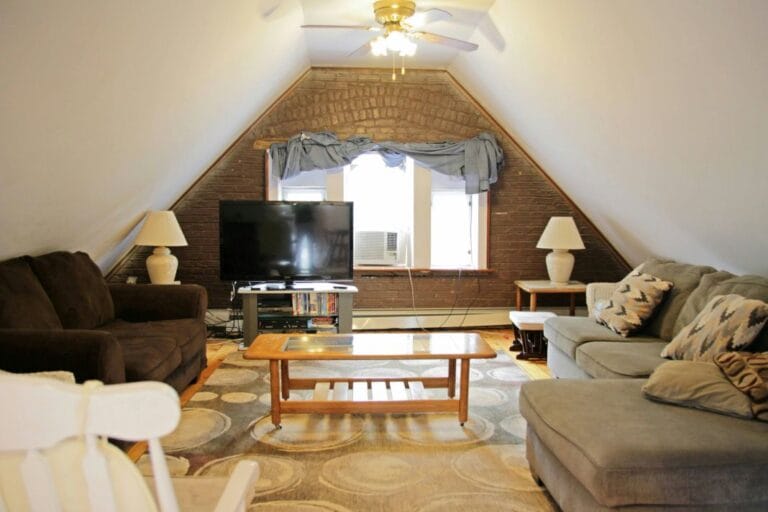
London doesn’t just raise costs. It changes how renovation works are delivered.
Builders must factor in narrow streets, restricted parking, neighbour concerns, and local authority controls. These conditions don’t exist everywhere.
A job in Camden might mean carrying materials through shared entrances. Work in Westminster could be bound by quiet hours and listed property rules.
These elements aren’t extras. They’re the realities of building in London.
A Clear Framework for Comparing Renovation Quotes Fairly
To compare quotes properly, first level the playing field.
Make sure each builder is quoting on the same scope, drawings, and finish expectations.
Next, review the allowances. PC Sums especially. Are they realistic? Do they align across the quotes?
Check who is managing the build. What’s included in the cost? What’s assumed?
Use a comparison table. This reveals more than who charges less. It shows who understands your project.
How to Recognise Real Value Beyond the Headline Price
Low quotes feel good. But they may be missing key elements.
No site supervision. No scheduling buffer. No snagging support.
Ask how the job will be delivered. Not just what it will cost.
Are you being offered oversight? Will someone manage the details?
Compact Building prioritises clear planning, ongoing support, and lasting outcomes. These are the parts that matter long after the invoice is settled.
Full-Service Renovation in London
Clarifying Warranty and Aftercare Expectations
What happens when the work ends?
Your quote should include aftercare details. Things like snag lists, warranty length, and inspection processes.
Most solid warranties last at least 12 months. They include a written method for reporting issues.
Ask how quickly problems are addressed. See if the builder returns for minor adjustments.
Reliable builders are clear about what happens next.
Checklist: Before Choosing Your Builder
- Is the full scope of works clearly quoted?
- Are PC Sums and Provisional Sums detailed and realistic?
- Has the builder listed all exclusions and assumptions?
- Is project management included, and if so, how is it delivered?
- What does the warranty include, and how long does it last?
- Who is your point of contact during the build?
- How will changes, delays, or issues be communicated?
These aren’t just admin tasks. They shape how your project will unfold day to day.
Important Clarifications to Make Before Choosing Your Builder
Before you sign, ask a few last things.
Who’s running the job? What’s the payment structure? What happens if there are delays?
Ask about post-build support. Will the builder return for snagging? Who do you contact once the work wraps up?
The builders willing to answer these questions calmly are often the ones who’ll deliver just as steadily on site.