
What are the key differences between a loft conversion and a house extension?
Deciding between a loft conversion and a house extension can feel overwhelming. If your goal is to create more space or boost your home’s value, each route offers different advantages. This guide outlines seven important differences so you can choose the best path for your property, lifestyle, and budget.
Pro Tip: Even if your project qualifies under permitted development, always confirm with a lawful development certificate.
Petru Balbaie - Director at Compact Building Ltd
Quick Comparison Table: Loft vs Extension
| Factor | Loft Conversion | House Extension |
|---|---|---|
| Average Cost | £1,200 to £1,800 per m² | £1,500 to £2,500 per m² |
| Space Gained | 1 to 2 rooms, depends on head height | Flexible open plan areas |
| Outdoor Impact | None | Uses garden or side return |
| Planning Permission | Often under permitted development | May require full planning in boroughs |
| Build Time | 4 to 8 weeks | 10 to 16 weeks |
| Disruption | Low if external access is possible | Higher due to groundwork |
| Energy Considerations | Can overheat without good insulation | Usually more controllable temperature |
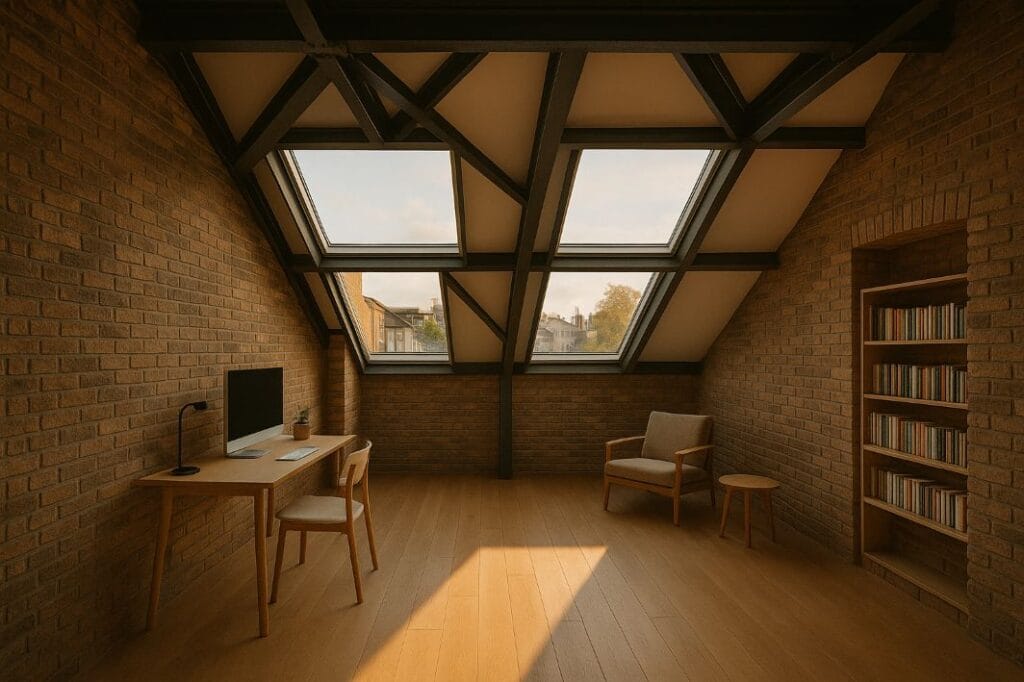
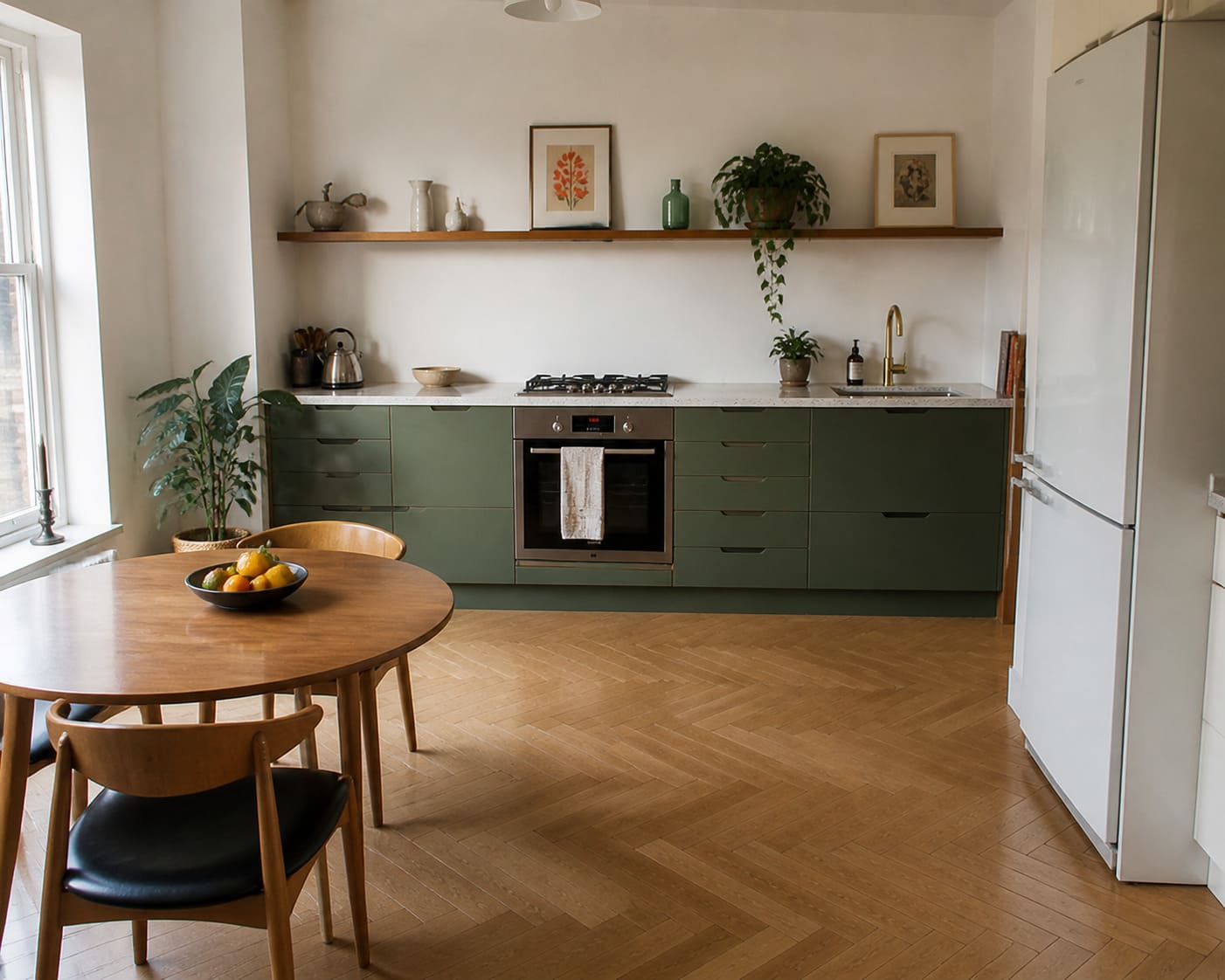
An AI photo of a modern loft conversion in Edgware, London – Compact Building
1. Cost Comparison: Which Option Fits Your Budget Best?
How much are you willing to spend to expand your home?
In the UK, loft conversions tend to cost between £1,200 and £1,800 per square metre. House extensions often fall in the £1,500 to £2,500 range, although that can rise based on site access and design.
Converting a loft may seem less expensive at first, but you’ll need to account for things like new staircases, roof insulation, fire safety, and steel supports. Extensions come with their own costs including excavation, drainage adjustments, structural slabs, and the potential need for a party wall agreement.
To avoid unpleasant surprises, get detailed quotes from reliable contractors and include a 10 to 15 percent buffer for the unexpected. According to RICS and Checkatrade, budgeting errors often come from assuming one option is always cheaper.
Free Home Expansion Consultation
Pro Tip: Stair placement is the most underestimated factor in loft design — get it wrong and you’ll lose more space than you gain.
Petru Balbaie - Director at Compact Building Ltd
2. Space Gained: How Much Room Will You Actually Add?
Which option delivers the kind of space you really need?
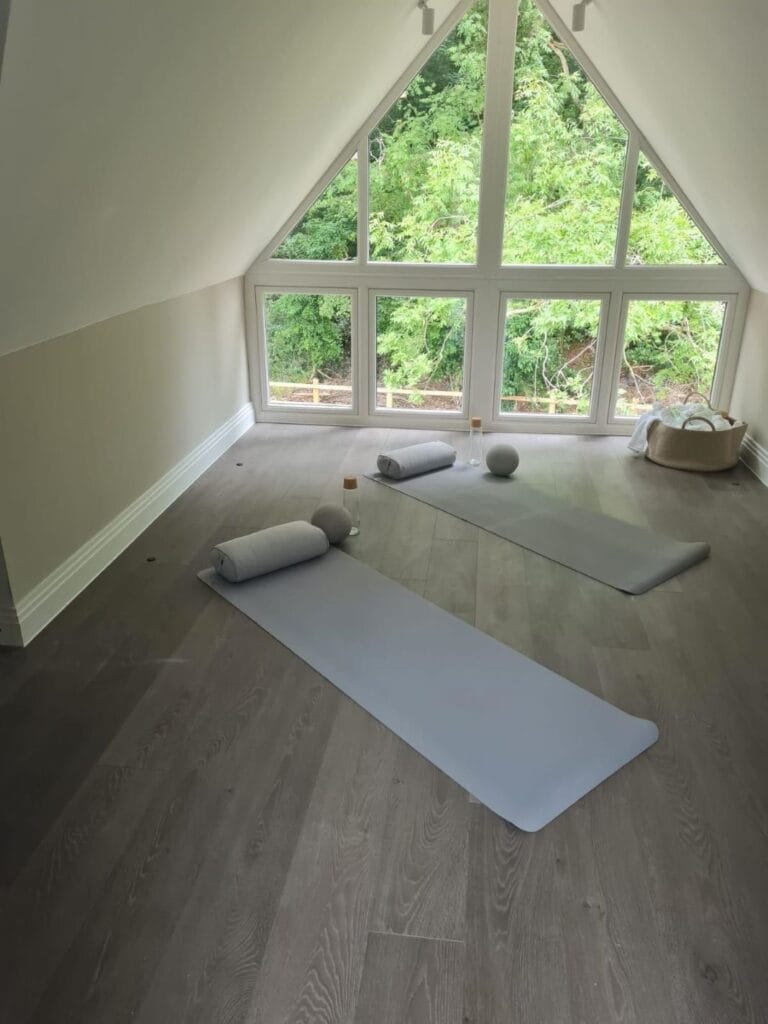
Loft conversions usually create one or two new rooms. Whether the space works depends on the roof’s height and pitch. You’ll also need enough room for a new stairwell and might lose some loft storage.
Extensions offer more layout flexibility and allow for larger floorplans, especially useful in semi detached or detached homes with wider plots. You can create open plan living, kitchen diners, or utility areas. However, this gain means giving up some outdoor space.
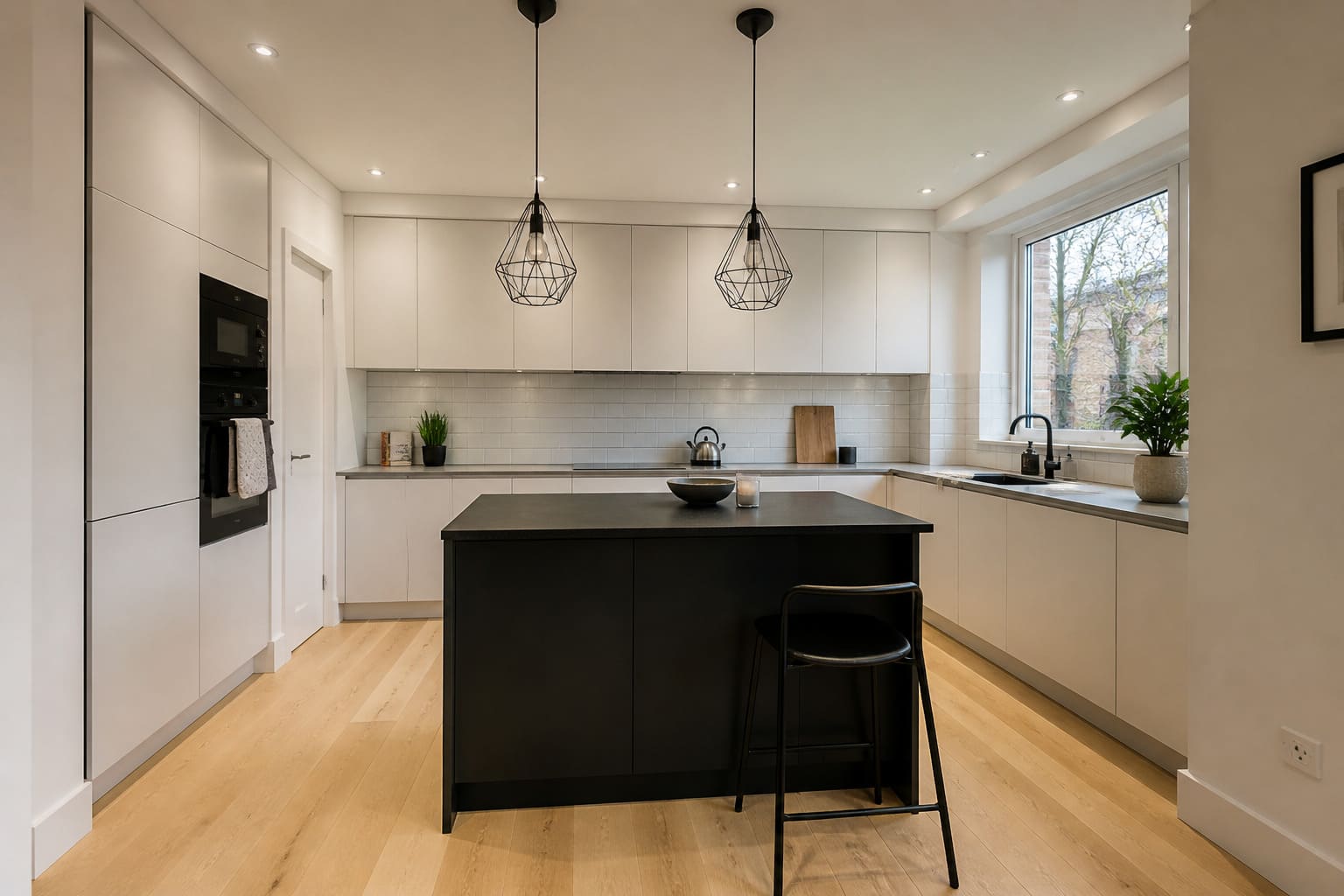
A homeowner in Edgware added a rear kitchen diner through a house extension, while another transformed their loft into a private double bedroom and ensuite. Each project suited a different set of priorities and matched their renovation goals.
3. Planning Permission: What You Can (and Can’t) Do in London
Do you know what planning rules apply to your property?
Many loft conversions qualify as permitted development, meaning no formal planning permission is needed. That only holds if you stay within certain limits such as roof volume and rear facing dormers.
Some boroughs including Barnet, Harrow, and Camden have stricter controls, often requiring full planning due to Article 4 Directions or conservation area restrictions.
House extensions can also fall under permitted development if you meet criteria around depth, height, and proximity to neighbours. For instance, in Barnet, single storey rear extensions under three metres usually qualify. Terraced properties may face more restrictions.
To be sure, apply for a lawful development certificate or check the Planning Portal and your local council’s guidelines.
4. Structural Feasibility: Is Your Home Right for a Loft or Extension?
Have you checked whether your home can support the work?
For loft conversions, the structure of your roof is key. Low ridge heights or prefabricated trusses might limit your options or require significant reinforcement. A structural engineer report can provide clarity before design begins.
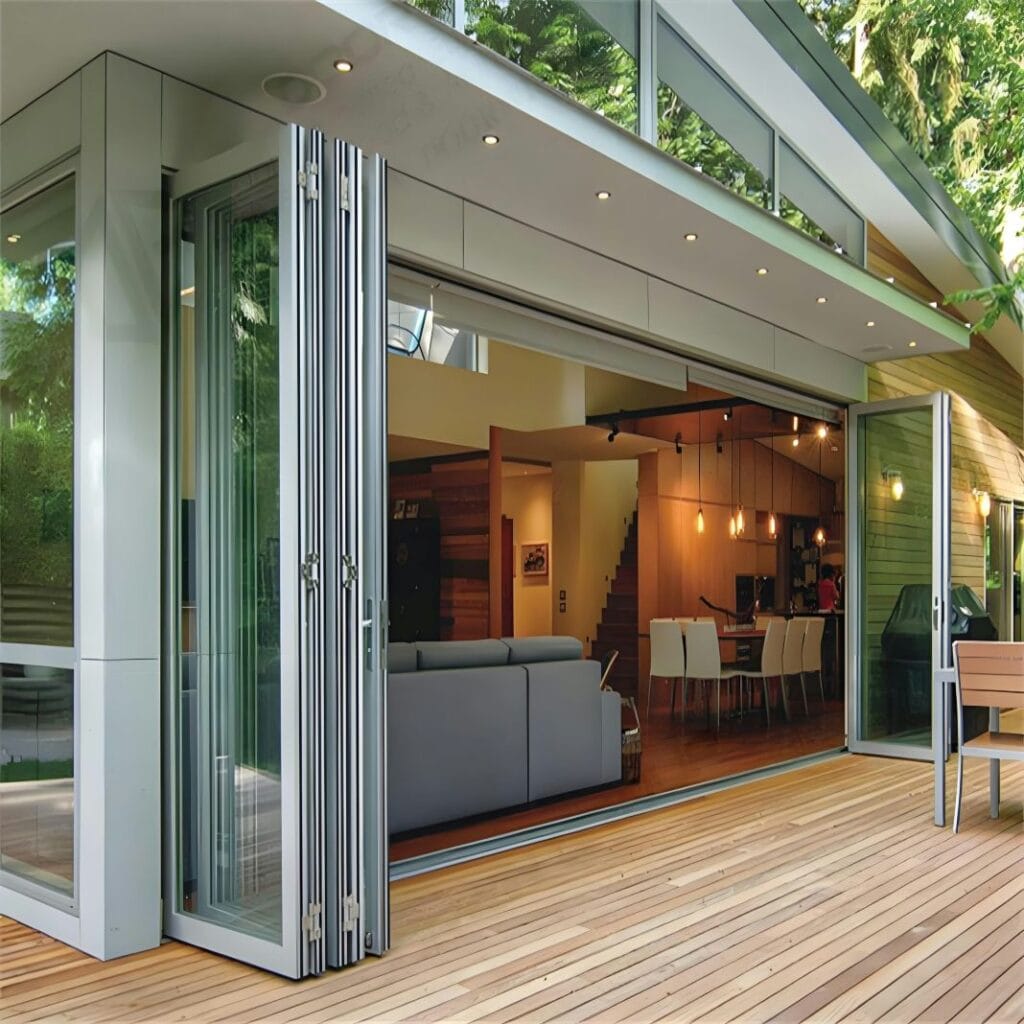
Extensions need suitable garden or side return space and acceptable boundary distances. The condition of your soil, the depth of your foundations, and drainage locations will all influence feasibility. Structural considerations are even more important when building close to neighbouring properties in areas like Harrow.
Compact Building offers early checks to confirm what is structurally possible and what is not worth pursuing.
5. Disruption and Build Time: What to Expect During the Work
How much disruption can you live with while work is underway?
Loft projects usually last four to eight weeks. If scaffold access is possible, much of the work happens from outside. Disruption increases once the stairs are installed and builders enter your main home.
House extensions typically take longer, around 10 to 16 weeks, and involve digging, heavy machinery, and more noise. If the work involves your kitchen or bathroom, living onsite may be difficult. Weather and inspections can also affect build time.
Compact Building breaks the project into stages and keeps you informed so you can plan your day to day life around the build.
6. Energy Efficiency and Year Round Comfort
Will your new space be easy to heat and cool?
Lofts can overheat in the summer if not designed with solar control in mind. Roof windows, poor ventilation, and thermal bridging can make them harder to regulate. Use low emissivity glass, blackout blinds, and proper insulation to stay comfortable.
Modern extensions often outperform lofts in energy efficiency. With good floor insulation, airtight glazing, and well positioned windows, they provide comfort and cost savings.
Check your plans against Part L of the Building Regulations and consider a SAP assessment to ensure your design performs well in all seasons. Improving your EPC rating also benefits resale.
7. Value Added and Risk: What Will It Really Do to Your Home’s Worth?
Will your project increase your home’s value or pose a risk?
A well executed loft or extension can add 15 to 25 percent in many parts of London. In Edgware, Barnet, and Harrow, value uplift depends on how well the new space suits the property. Adding a bedroom tends to offer higher returns in competitive areas.
But there are risks. Poor design, awkward staircases, thermal inefficiencies, or unauthorised works may hurt resale potential. Buyers want quality and flow, not just square footage. Surveyors may flag red flags like non compliance or overdevelopment.
Use property platforms like Rightmove or Zoopla to check recent sales in your street. Local estate agents can also advise what features buyers currently want.
Pros and Cons: Loft Conversion vs House Extension
Loft Conversion
Pros:
- Often avoids full planning
- No loss of outdoor space
- Quicker to complete
Cons:
- Limited by roof design and pitch
- Can overheat without proper insulation
- Space may feel enclosed or restrictive
House Extension
Pros:
- Larger open plan spaces and layout freedom
- Easier to heat and cool year round
- Ideal for family living and kitchen improvements
Cons:
- Uses garden or side return
- Can require full planning in some boroughs
- Longer disruption period
Conclusion: How to Decide Between a Loft or Extension
Which solution fits your lifestyle, layout, and budget?
Here is a checklist to help clarify your decision:
- Is there enough usable head height in your loft?
- Can you give up outdoor space for an extension?
- What is your realistic budget per square metre?
- How much disruption can you manage?
- Are you clear on your borough’s planning rules?
Next Steps: Planning Your Project
- Check your borough’s planning rules (e.g. Barnet, Harrow, Camden)
- Measure roof height and assess garden dimensions
- Ask contractors for quotes and build timelines
- Request a structural or planning feasibility check
- Consider applying for a lawful development certificate
If you still feel unsure, contact Compact Building – The best home improvements in London. We offer free consultations to help homeowners across London plan smart, cost effective upgrades that make a real difference to everyday living.