


What should you do if a renovation reveals damp, movement or structural issues you did not plan for?
You should pause any work that could hide or worsen the problem, get the cause assessed properly, and expect the scope, timing and budget to change. In London homes, especially older terraces, flats and period properties, hidden defects are common, so the right response is careful diagnosis and controlled adjustment, not a quick cosmetic fix.
The Illusion of a Blank Slate vs. The Reality of Hidden Problems
A renovation can look simple right up to the moment a wall is opened and the house starts telling the truth.
Fresh drawings, a clean budget and a clear sequence of works can create the impression that the property is ready for a fresh start. Many London homes are anything but. Age, previous alterations, blocked ventilation, patch repairs and years of minor neglect can sit quietly behind plaster, under floors or above ceilings.
Surface condition rarely tells the full story. A room may look dry, level and sound, yet still contain hidden damp, timber decay, movement or concealed damage from earlier works. That gap between what is visible and what is actually happening is where many renovation surprises begin.
Pre-renovation surveys and risk assessment can reduce uncertainty, but they cannot turn an older property into a blank canvas. Building Regulations, the Party Wall Act and the practical expectations of London Borough Councils all sit in the background once works begin, particularly if opening up reveals latent defects that affect structure or safety.
Visible Symptoms vs. Underlying Causes: Why Surface Fixes Fall Short
A damp patch is not really the story. It is the clue.
Paint bubbling on an external wall may suggest a decorating problem, yet the real cause could be moisture ingress through failed pointing, defective render, leaking pipework or poor ventilation trapping moisture where it should escape. Covering the mark treats the symptom and leaves the route of water untouched. Months later, the patch returns, usually larger and more expensive to deal with.
Cracks follow the same pattern. A fine line in plaster may come from harmless settlement, but a recurring crack around an opening, or one that reappears after filling, can point to movement in the substrate beneath the finish. Period properties often make this harder to read because older materials move differently and past repairs may already have blurred the evidence.
Chartered Surveyors use a broader lens than a simple visual judgement, and standards shaped by bodies such as the British Standards Institution and NHBC guidance influence how defects are interpreted in practice. The central point is simple: cosmetic work can make hidden property issues look quieter than they really are, which means that the wrong repair can consume both time and budget before the real remedial works even start.

Arrange for an expert survey to diagnose hidden damp, movement or structural problems in your property.
Schedule AssessmentThe Cost Certainty You Want vs. The Contingencies You Need
Everyone wants a fixed number before work begins. Older London properties rarely offer that level of certainty once walls, floors and ceilings are opened up.
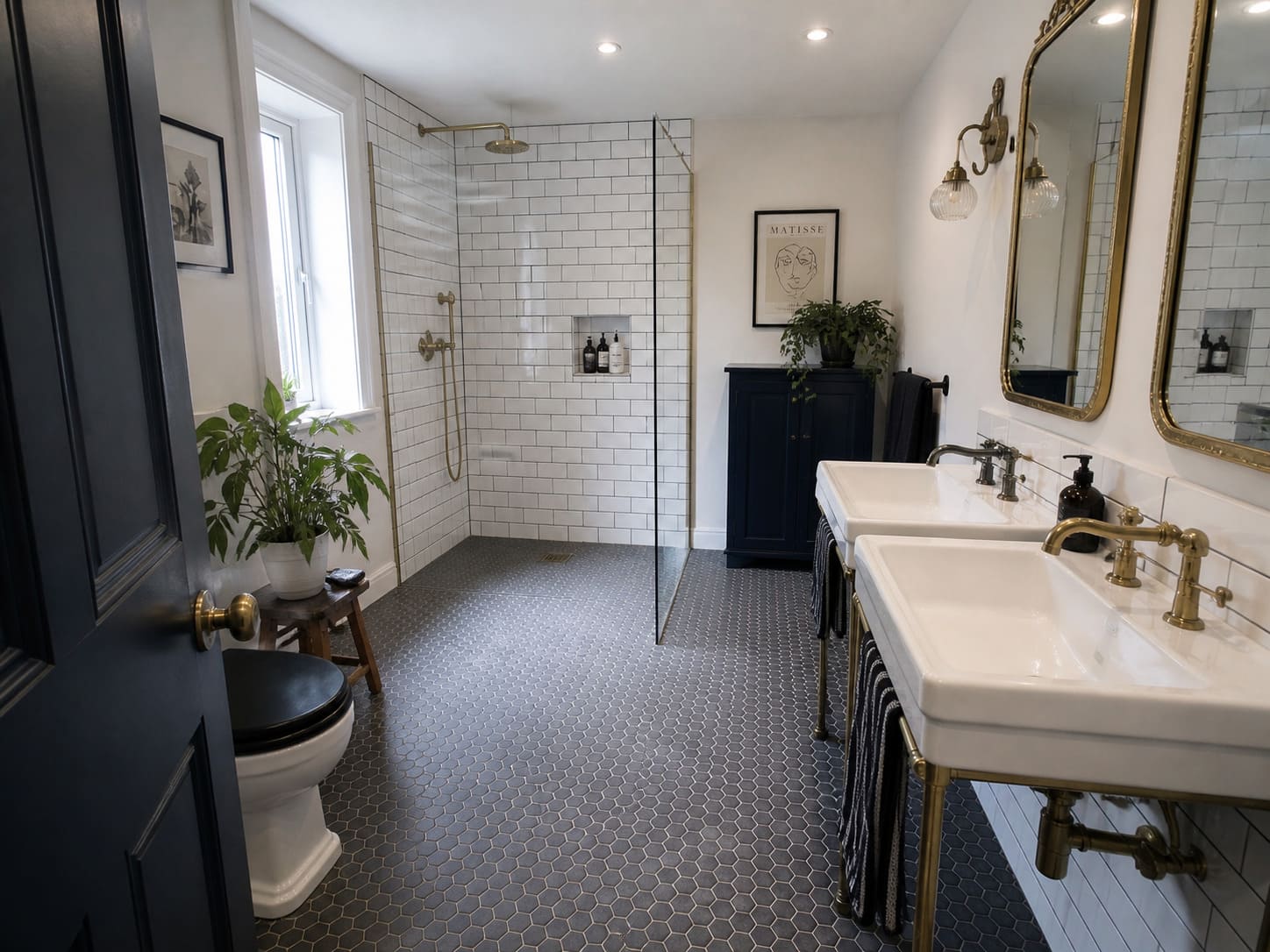
Imagine a bathroom renovation priced on the basis of replacing fittings, tiling and pipework in the existing layout. Once the old finishes come off, hidden damp appears around the shower wall and the floor structure shows signs of water damage. Suddenly the project may need drying time, repairs to supporting materials, revised waterproofing details and a visit from Building Control if the scope shifts into work that affects compliance. The original quote was not wrong for the visible job. The visible job simply was not the whole job.
That is why contingency planning matters. A sensible renovation budget often includes room for unforeseen works, provisional sums where the exact extent is still unclear, and clear wording about what has and has not been allowed for. RICS principles around transparency and measurement shape how professionals think about this, even if the homeowner never sees the technical detail. Firms such as Compact Building Ltd are often valued less for promising certainty than for managing uncertainty without letting the project drift into confusion.
DIY Optimism vs. Professional Assessment: Where Experience Changes Everything
A homeowner spots a crack near a window, notices a musty smell in the corner, and decides to monitor it while the renovation carries on.
That instinct is understandable. Plenty of minor defects are harmless, and nobody wants to interrupt a project on the basis of every mark or stain. The difficulty is that damp and movement are both easy to misread without the right context. A quick look cannot reliably tell you whether you are seeing condensation, penetrating damp, historic settlement or an active structural issue.
Professional property assessment changes the picture because it combines observation with diagnosis. Certified Surveyors and other qualified specialists may use moisture readings, opening up, site investigation and pattern analysis to separate background ageing from a live problem. Building Control Officers also come into play when the implications go beyond decoration and touch structure, safety or compliance.
DIY checks often answer the wrong question. They ask, “Can I live with what I can see?” Expert inspection asks, “What is causing this, what else might be affected, and what has to happen before finishes go back on?” In London housing stock, where compact layouts, shared walls and previous alterations are common, that difference is often where money is saved or lost.

Immediate Disruption vs. Long-Term Stability: The Payoff for Tackling Issues Properly
Proper repairs are disruptive. Few homeowners need that softened.
Opening more of the structure, waiting for materials to dry, revising the order of works and extending site time can affect daily life in very practical ways. Access becomes harder, rooms stay out of use for longer, and trades may need to return in a different sequence than first planned. For flats and tightly packed streets, neighbours, deliveries and building management can add another layer of friction.
Yet the alternative tends to create a worse version of the same disruption later. Temporary fixes often fail under fresh finishes, and repeated remedial work can create insurance questions, resale concerns and more intrusive repairs after the home is back in use. Building Control involvement, where required, also has a longer value because documented compliance matters when the property changes hands. Compact Building Ltd works in a market where many owners would rather absorb one properly managed period of disruption than reopen the same area a year later because a hidden structural repair was skipped.
The Expected Project Path vs. The Reality of Adjusting Mid-Renovation
Most renovation plans begin as a straight line. Real projects tend to bend.
A kitchen extension may be scheduled in a neat order: strip out, groundworks, structure, first fix, plastering, second fix, finishes. Then opening works reveal hidden damp at the junction with the existing rear wall, or movement around an older opening that needs further investigation. That single finding can trigger revised timelines, additional input from Project Managers, updated information for Building Control and, in some cases, conversations with a London Borough planning department if the change affects approved details.
Good adjustment does not look dramatic from the outside. Work may pause in one area while another continues. Materials may be reordered. Trades may be resequenced so drying, repair and inspection happen before decorative work resumes. Communication becomes part of the build process itself, because the project still needs to feel legible even when the path has changed.
Mid-project discovery is frustrating, but it is not unusual. In a well-run renovation, adapting the plan is part of the plan, even if the exact trigger was unknown on day one.
Request a detailed, transparent quote that factors in contingencies for your London renovation.
Request a QuoteThe Search for Certainty vs. The Value of Informed Flexibility
The real aim is not certainty. The real aim is control without pretence.
In the London property sector, the most successful renovations are rarely the ones that proceed exactly as first imagined. They are the ones that respond well when hidden damp, property movement or structural concerns appear. RICS thinking, Building Control oversight and practical site experience all point in the same direction: informed decisions made at the right moment matter more than clinging to the first version of the plan. Once that becomes the measure, the question shifts from how to avoid every surprise to how to recognise one early and handle it properly.