

How much should you expect from a bathroom renovation in Hertfordshire, and how long does it usually take?
A bathroom renovation in Hertfordshire can vary widely in cost and duration because homes, layouts, specifications and site conditions differ from one property to the next. In most cases, the final budget is shaped by labour, materials, plumbing and electrical work, structural condition and the level of planning before work begins, while the timetable depends on design decisions, product lead times, access and coordination between trades.
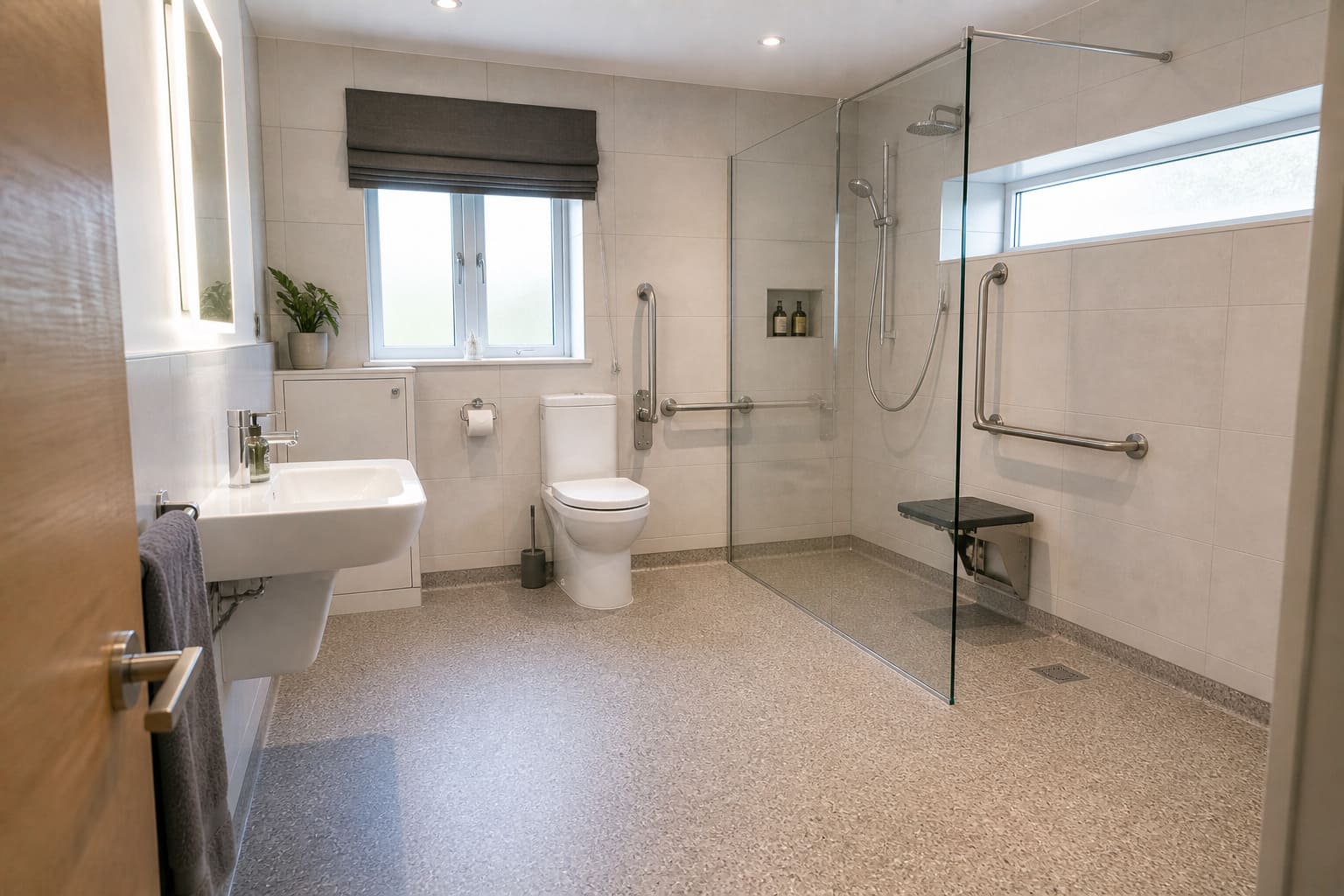
Understanding the Hertfordshire bathroom renovation landscape
A Hertfordshire bathroom renovation often involves more than replacing fittings and tiles. Housing stock across the county includes Victorian terraces, period semis, post-war homes, newer estates and flats, and each type brings its own practical limits.
Unlike some parts of the UK where layouts are more generous and access is simpler, many homes in Hertfordshire sit within established residential streets where parking, delivery access and neighbour considerations can affect how work is organised. A compact first-floor bathroom in an older house may hide dated pipework, uneven walls or timber floors that need attention before new finishes go in.
Local context matters as well. If a property sits in a conservation area or is listed, certain changes may require closer review by local planning authorities. Internal bathroom works often fall outside formal planning permission, but Building Regulations can still apply, especially where drainage, ventilation, electrical work or structural alterations are involved. Building Control requirements are separate from planning rules, which is an important distinction for homeowners to keep in mind.
Several local renovation factors tend to shape the scope from the start:
- Property age and original construction
- Access limitations for materials and waste removal
- Existing plumbing and ventilation quality
- Neighbour sensitivity in tighter residential settings
For homeowners near protected streetscapes or older town centres, early checks with the relevant local authority can save time later. Hertfordshire County Council may not be the body approving every domestic alteration, but the broader regulatory picture still affects how smoothly a project moves from survey to completion.
Typical costs of bathroom renovation in Hertfordshire
Bathroom renovation costs in Hertfordshire vary because the room itself is only one part of the picture. Two bathrooms of the same size can end up with very different budgets if one needs pipework upgrades, floor repairs and improved ventilation, while the other only needs a straightforward replacement of sanitaryware and finishes.
Most budgets are shaped by a mix of labour and specification. Plumbers, electricians, tilers, carpenters and decorators all contribute to the final figure, and VAT may also need to be accounted for depending on the nature of the work and quotation structure.
The main cost components usually include:
- Strip-out and waste removal
- Plumbing and heating alterations
- Electrical work and lighting
- Waterproofing, tiling and flooring
- Sanitaryware, brassware and furniture
- Plastering, decorating and finishing
- Design input, surveys or compliance-related work where needed
Specification has a strong influence on price. Standard fittings from readily available ranges tend to keep the budget steadier, whereas premium stone tiles, wall-hung sanitaryware, bespoke joinery or concealed pipework can raise both labour time and material spend.
Older properties can also introduce costs that were not obvious at first viewing. Once the room is opened up, contractors may find decayed subfloors, poor historic plumbing repairs, weak extraction or non-compliant electrics. Those issues are not unusual in refurbishment work, particularly in homes that have seen piecemeal updates over many years.
A sensible renovation budget usually includes a contingency for unforeseen repairs. Without that buffer, even a well-planned bathroom project can become financially awkward when hidden defects appear behind tiles or under floors.
Clear pricing matters here. Firms such as Compact Building Ltd are often valued for setting out what is included, what sits outside the quote and where allowances may apply, because vague estimates can make a modest bathroom look cheaper on paper than it will be in practice.
What to watch for
Unexpected costs often appear in a few familiar places. Moving a toilet or shower position can increase plumbing challenge. Replacing old soil pipes or improving water pressure may add work. Building Regulations upgrades, extraction changes and remedial carpentry can also shift the final figure, especially in older Hertfordshire homes where previous alterations were not done to a consistent standard.
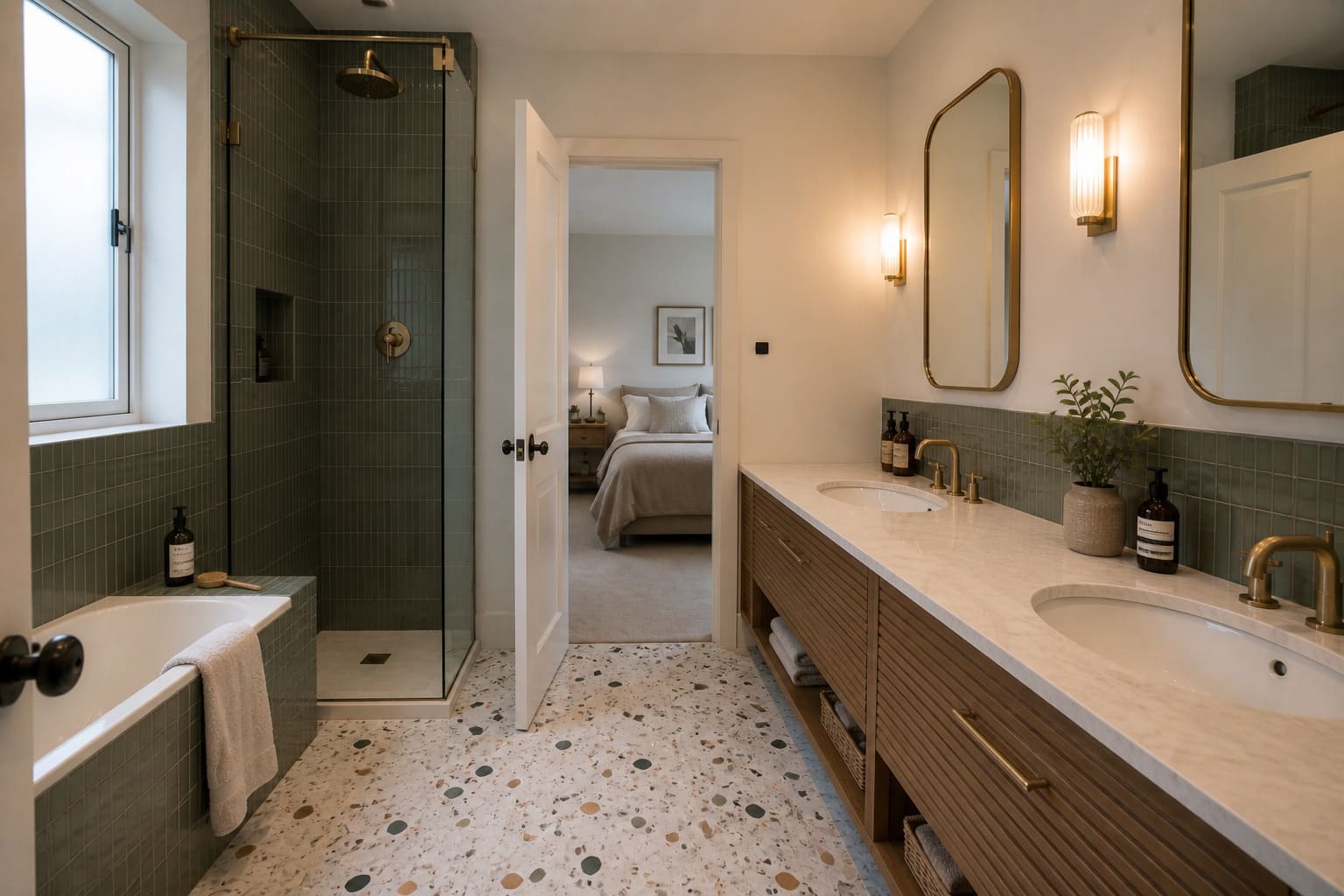
Whether it is a full remodel or a simple refresh, we handle plumbing, tiling, electrics and finishing.
Get a Free QuoteTimelines: How long does a bathroom renovation take?
A straightforward bathroom refurbishment may take a couple of weeks on site, but a more complex scheme can run longer once planning, ordering and approvals are included. The visible build phase is only part of the overall bathroom renovation timeline.
Before work begins, time is needed for surveys, layout decisions, product selection and scheduling. If fittings are out of stock or made to order, lead times can affect the start date before a single tile is removed. That is why project duration should be viewed as a full process, the days when trades are on site.
A typical sequence often looks like this:
- Initial survey, design decisions and quotation
- Final specification, ordering and programme planning
- Strip-out and first-fix plumbing or electrics
- Preparation work, including floors, walls and waterproofing
- Second-fix installation, tiling and sanitaryware fitting
- Finishing, testing, snagging and sign-off where required
Straightforward replacements move faster when the layout stays the same and the room is structurally sound. By comparison, renovations involving relocated drainage, underfloor heating, bespoke joinery or hidden defects usually need more time and tighter sequencing between trades.
Delays tend to come from a short list of familiar causes. Permit approvals or Building Control input can slow progress if the scope changes mid-project. Supply chain issues may hold up a specific tile, vanity unit or brassware finish. Once the old bathroom is removed, rotten joists, failed waterproofing or inconsistent walls can force extra preparation before installation can continue.
Professional project management often makes the biggest difference to schedule reliability. A well-run programme lines up trades in the right order and avoids gaps between plumbing, electrics, plastering and tiling. In a compact home, where one delay quickly affects household routines, that kind of coordination matters. Compact Building Ltd is one example of the type of contractor homeowners often look for when structured scheduling and trade sequencing are as important as the finish itself.
Always allow a budget contingency for unexpected repairs, especially in older Hertfordshire homes where hidden issues are common.
What to expect at each stage: from planning to completion
Most bathroom renovation stages feel more manageable once you know what happens when. The process is usually calmer when key decisions are made early and the sequence is protected from unnecessary changes.
Planning and survey
A project often starts with a site survey and a clear discussion about layout, priorities and practical limits. In Hertfordshire homes, those limits may include low ceiling lines, awkward boxing, narrow stair access or older drainage runs that are expensive to move.
During this stage, material selection also starts to take shape. Tiles, sanitaryware, lighting, storage and ventilation choices influence both cost and lead time, so design sign-off is more than a visual exercise.
Strip-out and first fix
Once the old bathroom is removed, the condition of the room becomes fully visible. Plumbers and electricians can then carry out first-fix work, including pipe alterations, wiring changes and any preparatory adjustments needed for the new layout.
At this point, hidden issues sometimes surface. A damaged floor, inadequate ventilation route or tired plumbing connection can change the scope slightly. That is normal in refurbishment work and is easier to handle when the programme already allows for sensible checks.
Preparation and installation
After first fix, the room is prepared for the visible finishes. Walls may need straightening, floors may need levelling and wet areas require proper waterproofing before tiles or wall finishes are applied.
Only then does the room start to look like a finished bathroom. Tilers, plumbers, electricians and other trade professionals return in sequence for second fix, fitting the bath or shower, basin, WC, lighting, heated towel rail and accessories. Good coordination matters here because one trade working out of turn can hold up several others.
Finishing and snagging
The final stage covers decoration, sealant, testing and detailed checks. Snagging is part of that process and usually involves reviewing alignment, grout lines, fixture operation, water flow, extraction and finish quality.
If Building Control input is needed, final inspections or relevant certificates should be in place before the project is considered complete. What matters at this stage is not speed, but accuracy, especially around waterproofing, electrical safety and the quality of the final fit.
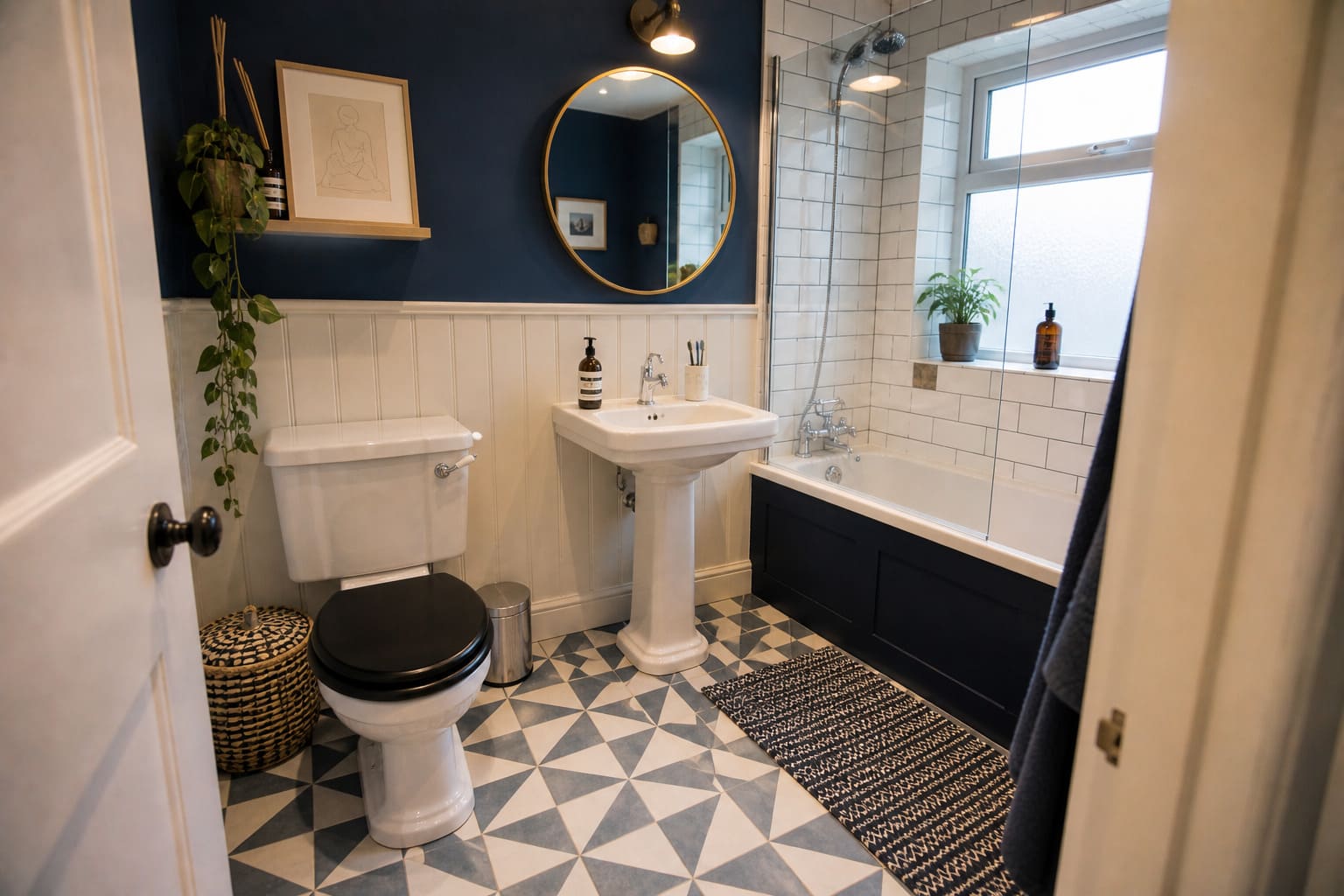
Confirm all key design and product decisions before work begins to avoid costly delays and disruptions during installation.
Managing disruption and minimising stress during renovation
Living through renovation is rarely comfortable, especially if the bathroom being replaced is the only one in the house. Noise, dust, shut-offs and restricted access can all affect daily routines, even on a well-organised project.
Preparation makes the disruption easier to live with. If water needs to be off for part of a day, knowing that in advance allows for simple workarounds. If waste removal is scheduled carefully and materials are stored sensibly, the rest of the home stays more usable.
A few practical steps can make a noticeable difference:
- Agree working hours and access arrangements before the start date
- Ask how dust control and floor protection will be handled
- Confirm whether temporary facilities are needed if there is only one bathroom
- Keep key product decisions closed before installation begins
- Request regular updates from the project manager or site supervisor
Communication has a direct effect on stress levels. Homeowners usually cope better with inconvenience when the schedule is clear, changes are explained properly and someone remains accountable for day-to-day coordination.
One useful set of questions can help establish that early on:
- Who will be the main point of contact during the work?
- How will updates be shared if the schedule changes?
- When will water or power need to be interrupted?
- What protection will be used in access routes and adjacent rooms?
- How will waste, deliveries and neighbour considerations be managed?
For households in flats or closely spaced residential streets, access planning can be just as important as the bathroom design itself. A quiet but well-run site, with clear daily briefings and sensible housekeeping, tends to feel more controlled even during the messier parts of the build.
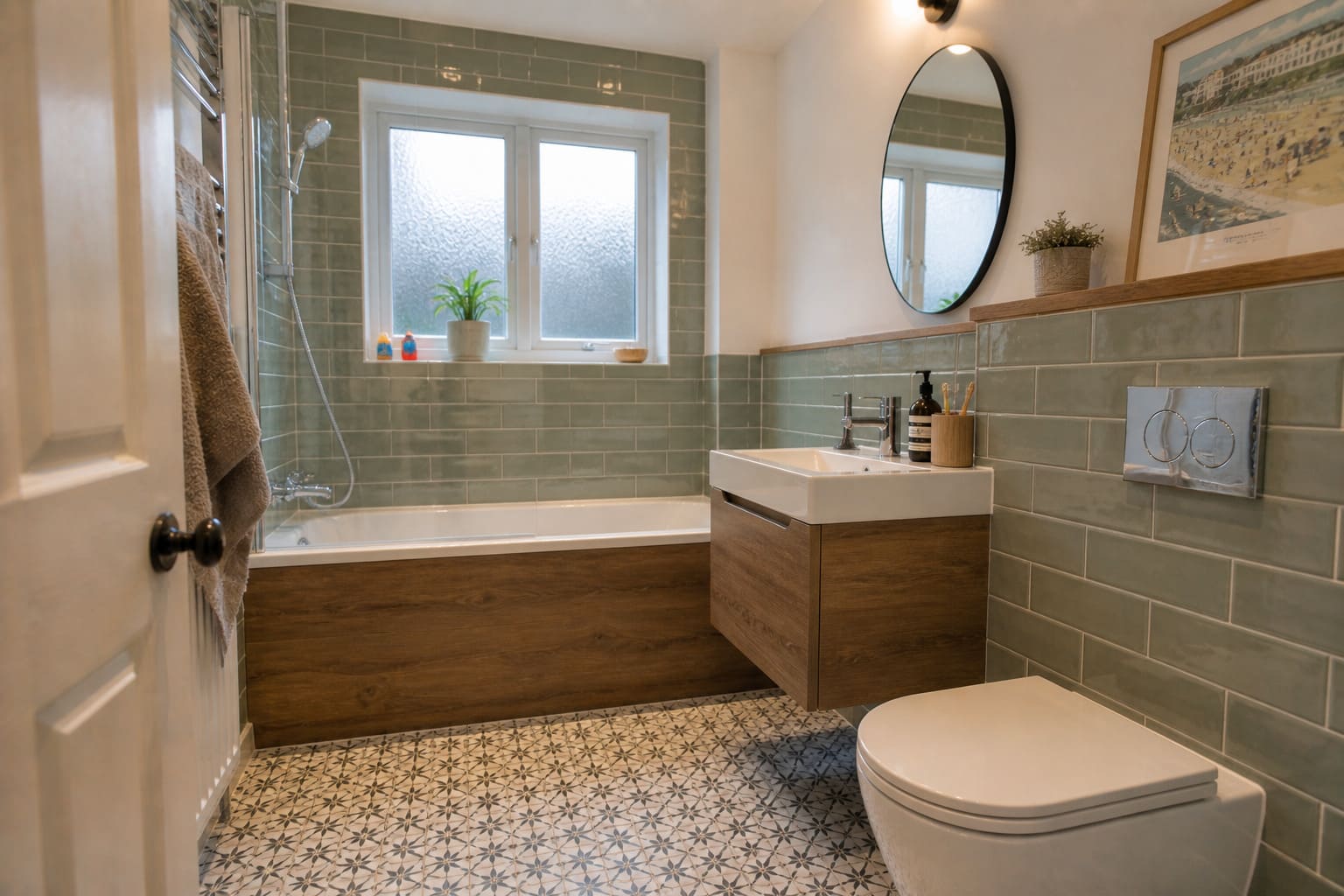
Quality control, compliance, and avoiding costly mistakes
Quality control matters because bathrooms combine water, heat, electrics, finishes and constant daily use in a small space. A room that looks good on handover can still develop problems later if the underlying work was rushed or poorly checked.
Building Regulations may apply to parts of the renovation, particularly electrical work, ventilation, drainage and structural changes. Where relevant, Building Control sign-off and compliance certificates should form part of the project record. Gas work, if any is involved elsewhere in the property as part of the wider scope, should be handled by a Gas Safe Register engineer. Electrical certification should come from an appropriately qualified professional.
Certain mistakes appear repeatedly in bathroom refurbishments:
- Inadequate waterproofing in wet areas
- Poor ventilation planning, which can lead to condensation issues
- Incorrect falls to waste outlets
- Uneven substrate preparation before tiling
- Fixtures fitted before surfaces are fully ready
- Missing paperwork for regulated work
Some homeowners also hear references to standards such as NHBC guidance when discussing general quality benchmarks in residential construction. For a domestic bathroom refurbishment, the practical issue is less about labels and more about whether the installation has been checked properly, documented where required and finished to a durable standard.
Inspection reports, testing, snagging and final verification all serve a purpose. They reduce the chance of small defects turning into expensive remedial work later, such as leaks behind tiles, loose fittings or extractor fans that never performed properly from day one.
Fixed-price quotes with no hidden extras. We work around your schedule and keep things tidy.
Book a Free SurveyLooking ahead: making informed decisions for your home
A bathroom renovation is easier to judge well when it is viewed as a managed investment in the home, rather than a cosmetic update alone. The best outcomes usually come from clear scope, realistic budgeting, sensible allowances and firm decisions made before installation starts.
Quick fixes often look cheaper at first, but they can store up costs in awkward places, including remedial tiling, water damage, poor ventilation or fittings that wear badly within a short period. Long-term durability depends on the hidden parts of the job as much as the visible finish.
Experience and project management frameworks matter because bathrooms are tightly sequenced spaces. Plumbing, electrics, waterproofing, tiling and finishing all rely on one another, and one weak stage can affect everything that follows. That is especially true in Hertfordshire homes where older construction, compact layouts and local constraints leave little room for improvisation.
For most homeowners, the useful question is not how quickly a new bathroom can be fitted, but how well the work is planned, coordinated and checked. A calm process usually starts with that shift in thinking.