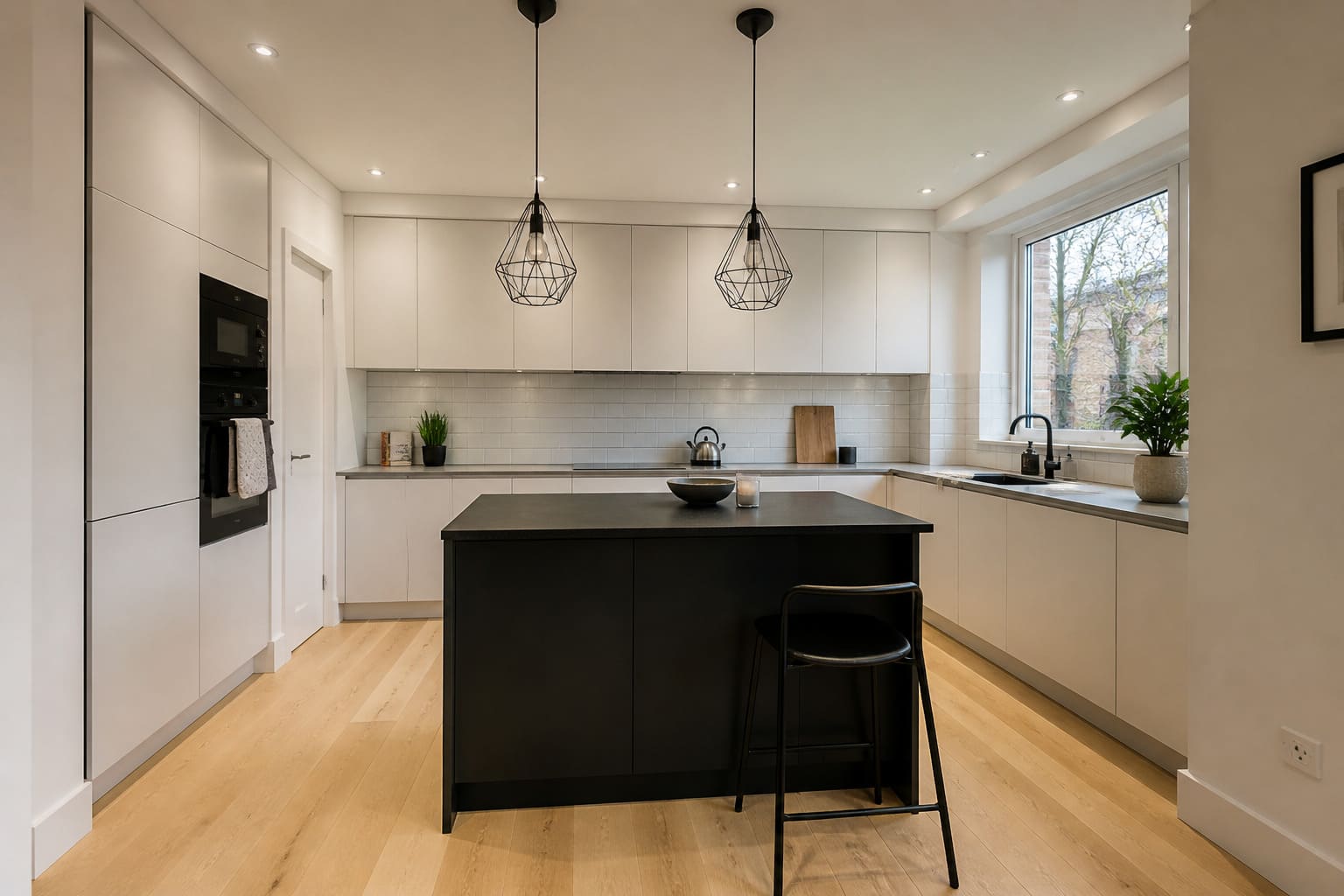



A kitchen renovation in London often takes several weeks once work starts on site, and the full process is longer when design, ordering, approvals, and snagging are included. The exact programme depends on the property, the scope of work, access, and how early decisions are finalised. In many London homes, the timeline is shaped as much by logistics and planning as by the building work itself.
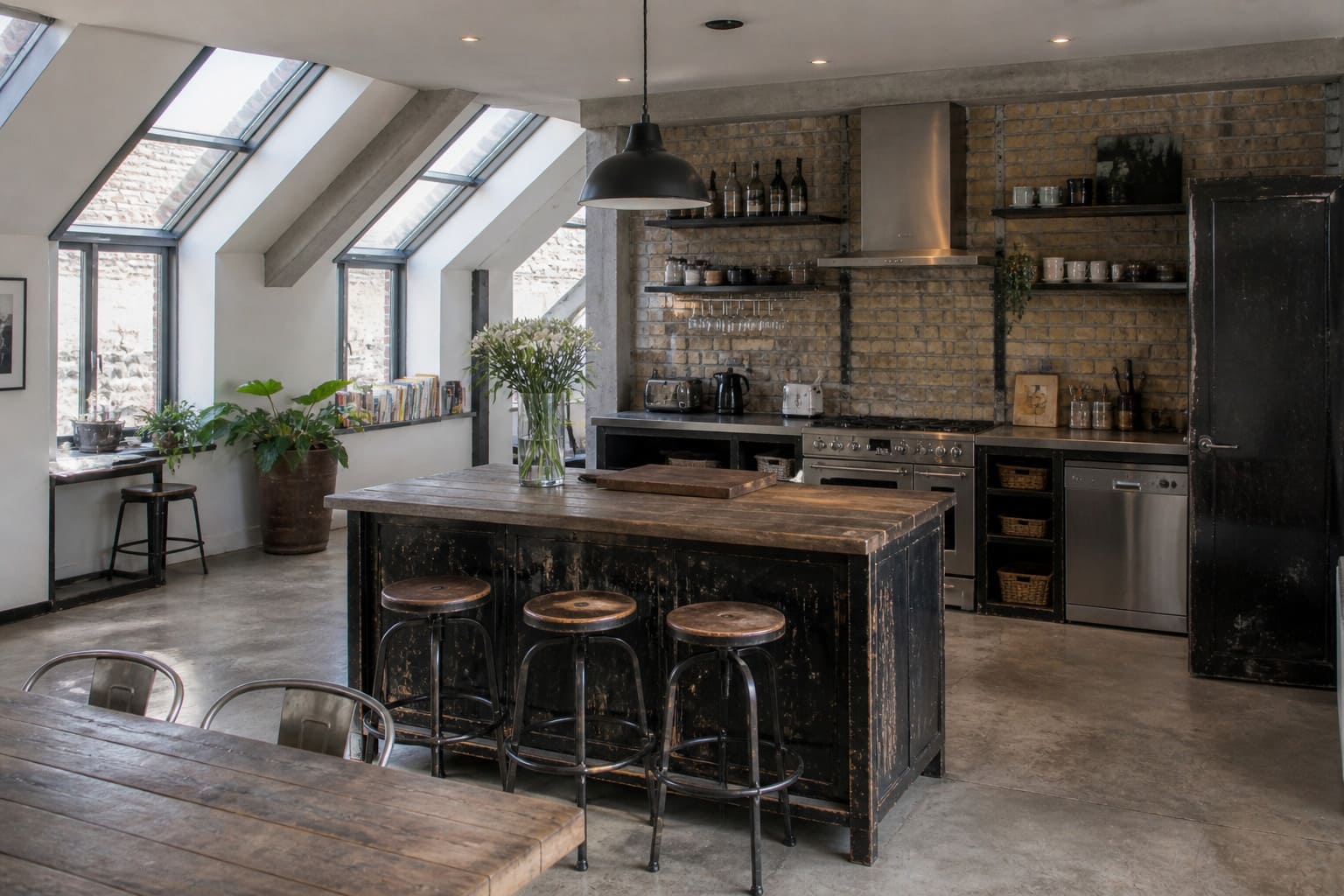
Understanding the typical kitchen renovation timeline in London
Most London kitchen projects sit somewhere between a straightforward refurbishment and a more involved rebuild with layout changes, new services, or structural work. A simple replacement of units, worktops, and finishes will usually move faster than a project that includes rewiring, replumbing, flooring throughout, or removing internal walls.
A useful way to think about timings is this:
- Cosmetic kitchen update: often a few weeks on site
- Full kitchen refurbishment with new plumbing and electrics: often several weeks more
- Kitchen renovation with structural alterations or complex approvals: often the longest of the three
London projects often take longer than homeowners first expect because the build itself is only one part of the picture. Ordering lead times, delivery coordination, parking restrictions, narrow access routes, and borough-specific requirements can all shape the kitchen refurbishment schedule before the first cabinet arrives.
Property type matters as well. A Victorian terrace in Islington, an Edwardian house in Ealing, and a post-war flat in Camden can all present very different conditions. Older homes may hide uneven walls, outdated pipework, or ageing electrics. Flats can involve managing agents, communal access rules, and strict delivery windows. That is why a kitchen renovation timeline London homeowners hear at the start should always be treated as a realistic range, not a fixed promise.
Key stages of a London kitchen renovation and their typical durations
A kitchen project usually moves through a clear sequence, even if some parts overlap. Once one phase slips, later trades often need to be rescheduled, which is one reason a London kitchen project timeline benefits from careful coordination.
Survey, design, and scope definition
Before site work begins, the space needs measuring, the layout needs agreeing, and the specification needs to be clear. That stage can be fairly quick for a like-for-like replacement, but it often takes longer where storage is being reworked, appliances are moving, or awkward room proportions need a smarter plan.
Detailed decisions made here affect nearly every later stage, including electrical positions, plumbing runs, extractor ducting, lighting, flooring, and finishes.
Ordering and lead times
Once the design is settled, materials and products need to be ordered. Cabinets, stone worktops, specialist appliances, and made-to-measure items can all have different lead times. Some delays happen before the renovation starts simply because one key item is not yet available for installation.
Strip-out and preparation
The old kitchen is removed first, along with any redundant flooring, tiling, or damaged plaster. Site protection also matters, especially in London homes with tight hallways, shared entrances, or occupied upper floors.
At this point, hidden issues sometimes appear, including damp patches, poor past alterations, or walls that are less straight than expected.
First-fix works
This stage covers the behind-the-scenes work that makes the new kitchen function properly. Electricians, plumbers, and, where relevant, heating engineers carry out the first-fix changes before finishes go in. If gas appliances are involved, a Gas Safe registered engineer is part of the process. Electrical work may also involve testing and certification by a qualified electrician, often aligned with NICEIC standards.
Where layout changes are substantial, this phase can take longer than homeowners expect because several trades need access to the same compact space.
Plastering, flooring, and making good
Once services are in place, walls and ceilings may need repair or replastering. Floors may need levelling before the final finish can be laid. Drying time can affect what follows, especially if multiple surfaces are being treated at once.
Kitchen installation
Units, cabinets, and carcasses go in first, followed by templating for worktops where needed. Stone or engineered worktops are often measured after cabinets are installed, which means there is usually a short gap before final fitting. Appliances, sinks, taps, splashbacks, and finishing details then follow.
Second-fix, testing, and snagging
Sockets, switches, lighting, appliances, and plumbing connections are completed at this point. Building Control may be involved where the wider scope requires it. A final snagging stage usually picks up minor adjustments, alignment issues, sealant finishing, and small defects that only become visible once the room is fully assembled.
That full sequence is why the average time for kitchen remodel work is rarely just the fitting period people notice most. The renovation milestones that look small on paper often depend on the previous one being finished properly.

Talk to our team about layout, materials, and getting the most from your budget.
Get a Free QuoteWhat most commonly affects kitchen renovation timelines in London
Delays are usually caused by a combination of factors rather than one dramatic problem. In London, the most common timeline risks tend to be practical and predictable.
- Access and delivery limits: Basement flats, upper-floor flats, controlled parking zones, and narrow streets can all slow deliveries and waste removal. In some boroughs, booked slots or permits are needed before anything arrives.
- Approvals and permissions: Leasehold consent, managing agent approval, Building Control input, party wall matters, or listed building constraints can add time before or during the works.
- Hidden building issues: Older London properties sometimes reveal rotten subfloors, outdated wiring, damaged plaster, or pipework that no longer suits the new layout.
- Trade coordination: Kitchen build phases overlap tightly. If one trade finishes later than planned, the next cannot always start on time.
- Late client decisions: Appliance swaps, tile changes, or revised layouts after first-fix works can affect ordering, sequencing, and labour allocation.
Some delays are highly location-specific. A flat in Westminster with strict access rules may face different pressures from a terrace in Haringey where parking is the main issue. Conservation area restrictions or listed status can also affect what changes are possible, particularly in older homes with original features.
Planning departments, utility companies, and party wall surveyors may all become part of the wider process depending on the job. Historic England guidance can also be relevant where heritage constraints apply. None of that means a project is unmanageable, although it does mean the causes of renovation overruns in London are often tied to the setting as much as the kitchen itself.
Clarify your appliance and fixture choices before work begins to avoid delays caused by late substitutions or specification changes.
The role of planning, design, and decision-making in project timelines
Strong planning shortens the uncertain parts of a renovation. It does not make every job faster in raw calendar terms, although it usually makes the programme steadier and easier to control.
A kitchen design that is fully resolved before the start date gives trades a clear route through the work. Socket positions are known. Lighting is agreed. Appliance sizes are confirmed. Flooring transitions, extractor routes, and cabinet details are settled. Once that level of clarity is in place, the site team can work through the sequence with fewer interruptions.
By contrast, late changes tend to cause a chain reaction. A different hob may alter the cabinet plan. A new sink choice may affect plumbing positions. A changed tile format can alter setting-out and labour time. In compact London kitchens, small specification changes can have a larger knock-on effect because tolerances are tighter and storage layouts are often highly planned.
A useful planning baseline includes the following:
- Final room layout and appliance positions
- Confirmed specification for units, worktops, flooring, and lighting
- Clear agreement on who is ordering what, and when
- Realistic lead times for materials and specialist items
- Early review of approvals, Building Regulations, and access constraints
Project management matters here because somebody needs to hold those decisions together. In firms such as Compact Building Ltd, that usually means aligning design, procurement, site sequencing, and communication before work begins. Good planning is less about paperwork and more about preventing avoidable pauses once the old kitchen is already out.

How property type and location in London influence renovation speed
The same kitchen design can move at very different speeds depending on where it sits. London housing stock is varied, and that variety affects the typical renovation length more than many homeowners expect.
In flats, shared access is often the defining issue. Lifts may be small. Hallways may need extra protection. Managing agents may restrict noisy works or refuse storage in communal areas. Leasehold conditions can also shape what can be altered, especially where pipe routes, ventilation, or structural walls are involved.
Terraced houses often have easier internal control, but they come with their own pressures. Side return access can be limited. Waste removal may rely on carrying material through the house. Party wall considerations may arise if the wider project includes structural changes. In older terraces, walls and floors are rarely perfectly true, which can slow installation and finishing.
Detached or semi-detached homes can offer easier access and more flexibility for deliveries, although age still matters. A period property in a conservation area may involve more restrictions than a newer house with simpler construction and fewer heritage concerns.
Location also changes the pace. Inner London boroughs can bring stricter parking controls, tighter roads, and denser housing. Parts of North London and West London include many older homes where services may need upgrading before the kitchen fit-out can proceed. Across central areas, delivery windows and neighbour considerations often need more attention than they would in less dense settings.
A London flat kitchen remodel in a busy block is therefore a very different proposition from a terrace house renovation with direct street access, even if the visible finish ends up looking similar.
Keep a simple written log of all agreed changes during the project to ensure every team member works from up-to-date information.
The impact of professional project management on timelines
Kitchen programmes tend to hold together best when one person or team is actively managing the order of work. Sequencing matters because a kitchen is one of the most trade-heavy rooms in the house, with joinery, plumbing, electrics, plastering, flooring, tiling, decorating, and appliance installation all needing their moment.
Without clear oversight, the project can lose time in ordinary ways. Materials arrive before the room is ready. An electrician finishes, then returns later because an appliance detail changed. A templating visit is booked too early. A plumber cannot complete second-fix because a cabinet section is still missing. None of those issues sounds dramatic on its own, but together they can stretch the schedule.
Managed projects usually look different in three practical ways:
- Trades are booked in the right sequence, with fewer idle gaps
- Decisions and site issues are picked up quickly, before they affect later work
- Procurement, access, and inspections are considered as part of the same programme
That is where structured coordination earns its keep. Compact Building, for example, positions project control as part of the renovation itself, which means timing, communication, and site logistics are treated as linked issues rather than separate tasks. In London homes with limited space and little room for error, that joined-up approach can make the difference between a contained delay and a rolling one.
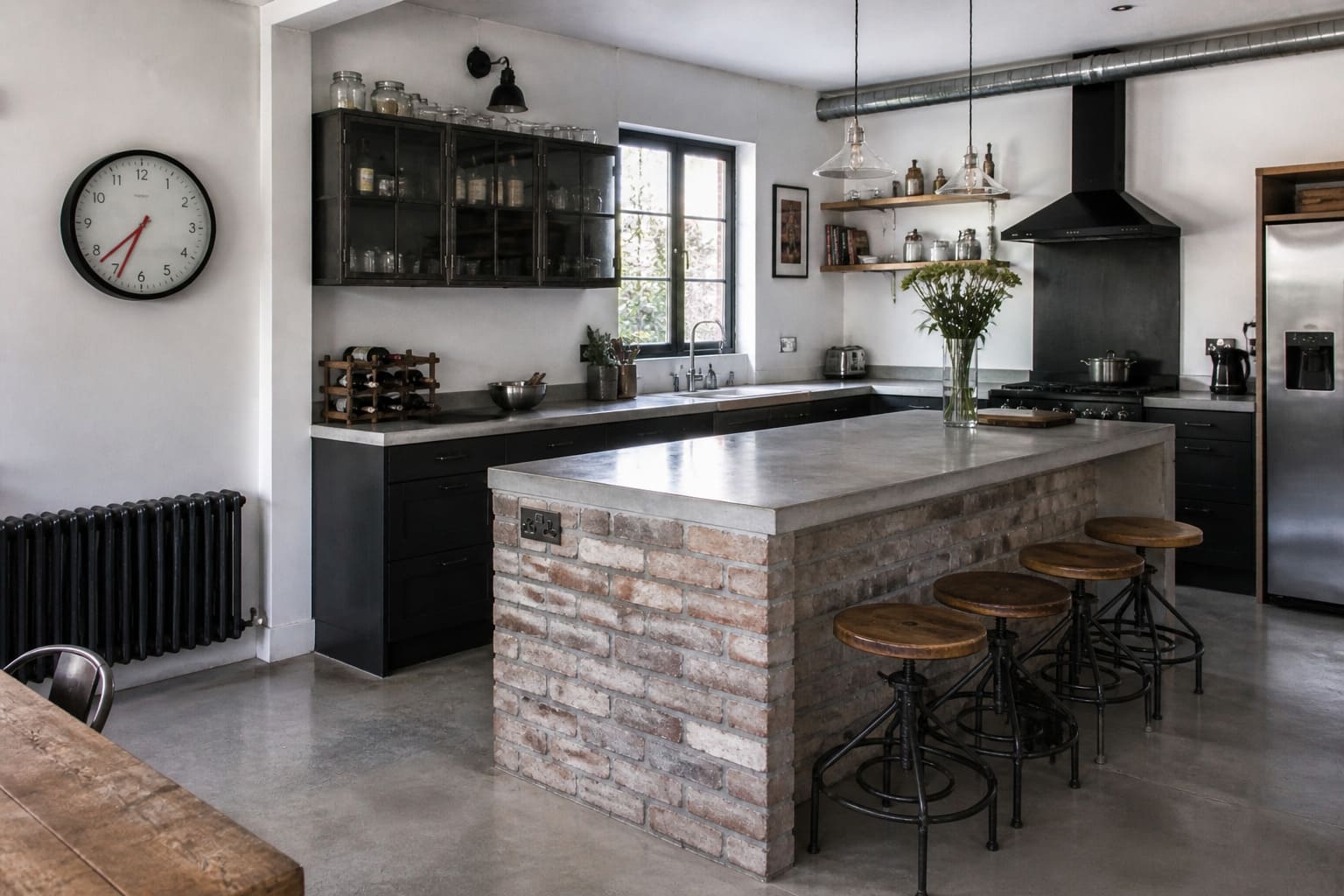
What homeowners can do to keep their kitchen renovation on schedule
Homeowners play an important role in staying on timeline, especially before site work begins and at key decision points during the fit-out. The aim is not to make the client carry the programme, but to remove the avoidable pauses that happen when selections or approvals are still open.
A few habits make a noticeable difference. Finalising appliances, taps, sinks, handles, tiles, and lighting early reduces last-minute substitutions. Keeping written records of agreed changes helps prevent crossed wires between supplier, installer, and project manager. Prompt responses also matter when a drawing, finish sample, or revised detail needs approval.
The most useful actions are usually simple:
- Confirm major choices before the start date wherever possible.
- Keep one clear line of communication with the contractor or project manager.
- Avoid changing layout decisions once first-fix works are under way.
- Check lead times for specialist items before committing to them.
- Allow some contingency in your own plans for temporary cooking, deliveries, and access.
Small choices can still be made during the works, but the big ones are best settled early. A kitchen project schedule is much easier to protect when the room has a clear brief, the products are available, and everyone is working from the same version of the plan.
From planning through to fitting and finishing, we manage the whole project so you do not have to.
Speak to UsLooking beyond the timeline: why a considered approach pays off
Speed matters to most households, especially when the kitchen is out of action. Even so, the shortest programme is not always the best outcome if it depends on rushed decisions, poor sequencing, or finishing work that needs revisiting later.
A well-paced renovation gives enough time for proper preparation, accurate installation, testing, and snagging. That tends to support better alignment in cabinetry, cleaner service runs, neater finishes, and fewer post-completion defects. Building Regulations, certification, and aftercare also sit more comfortably inside a programme that has not been squeezed too hard.
Plenty of kitchen renovation regrets come from work that moved ahead before the design was fully resolved, or from pressure to push on despite missing materials and unanswered details. By contrast, realistic timelines usually produce calmer projects and better rooms. In London, where homes are often older, tighter, and more constrained, patience at the planning stage often saves more time than haste on site ever could.