

How can you modernise a Victorian or Edwardian home without losing its unique character?
You can update a Victorian or Edwardian home without losing its character by maintaining a careful balance. Begin by assessing existing features, using materials appropriate to the original construction, and making changes that are reversible. Preserve or restore architectural details wherever possible. With thoughtful planning, you can retain authenticity while enjoying modern comfort through a sympathetic renovation.
Pro Tip: Always photograph each room before renovations begin to document period features that might be missed later.
Petru Balbaie - Director at Compact Building Ltd
Why Period Homes Require a Different Renovation Approach
Living in a period property means embracing the stories embedded in its design. These homes are more than bricks and mortar; they hold cultural and architectural significance. Renovating them calls for a mindset that respects this legacy. Original features such as stained glass, fireplaces, and ornate cornicing should be protected.
Many homeowners feel uncertain about altering a period home because they are worried that essential character might be lost. However, thoughtful renovation is not about avoiding modern updates. It is about integrating them without undermining the house’s identity. Modern comforts such as underfloor heating and insulation can be added in ways that preserve charm. This guide helps you understand how to renovate a Victorian house or update an Edwardian home sympathetically, with respect and confidence.
What Gives Victorian and Edwardian Homes Their Timeless Character
Victorian and Edwardian homes each have distinctive architectural elements. A Victorian hallway may feature encaustic tiles, deep skirting boards, and colourful stained glass, which create a sense of drama. Edwardian houses often feel more relaxed, offering wider rooms, lighter decorative features, and generous natural light.
Victorian homes are known for decorative plasterwork, vertically arranged rooms, and cast iron fireplaces. Edwardian architecture typically includes leaded bay windows, timber panelling, and simpler mouldings. Recognising these features helps guide renovation decisions. Preserving tiled entrances, carved woodwork, or sash windows ensures the original character continues to shine through. Understanding Victorian architecture and Edwardian house features also helps avoid removing details that define the home’s heritage.
The Core Principles of Modernising Without Losing Period Charm
Successful renovation relies on a few clear principles. Changes should be reversible wherever possible so that future owners can restore original elements if desired. It is important to retain and work with what already exists. Original fabric such as cornicing, flooring, and joinery should be repaired rather than removed.
New additions must respect scale and proportion. Materials should complement the building’s original structure, using options such as lime plaster, timber, and breathable insulation. Avoiding clashing design styles is essential. Every new element should sit comfortably alongside old ones to enhance the overall feel instead of competing with it. These principles form the basis of any sympathetic renovation.
How to Assess Your Home: Creating a Simple ‘Heritage Inventory’
Before starting work, take time to document your home’s original features. Walk through each room and list elements such as fireplaces, ceiling roses, and timber floors. Note their condition and whether they have been altered. Take photographs as a visual reference.
Identify which features hold architectural or personal value. This process can reveal hidden details such as tiled hearths beneath carpets or concealed sash windows. Common discoveries include original quarry tiles, boxed-in fireplaces, and blocked-up doors. These elements often become highlights of the renovation and offer a deeper connection to the home’s past. Creating a detailed heritage inventory is one of the best ways to preserve period charm from the outset.
Planning Upgrades: Balancing Layout, Light, Comfort and Original Details
Improving layout and light is often essential in period homes. However, significant changes must be carefully considered. If you are removing walls, keep ceiling lines and cornices to retain a sense of the original structure. Use structural beams that reflect the home’s existing rhythm.
Borrowing light between rooms can make a huge difference. Glazed internal doors or high-level glazing panels can bring brightness without opening everything up. Avoid layouts that feel too open and featureless. Retain partial walls or apply different ceiling treatments to define spaces. By balancing structural change with original detail, you create a home that flows while remaining true to its origins. These principles apply whether you are aiming to modernise a Victorian layout or improve an Edwardian floor plan.
Preserving Period Features: What to Keep, Restore, Recreate or Replace
When deciding what to retain or replace, start with what remains intact. Sash windows, ceiling mouldings, and fireplaces are often worth keeping. Damaged elements can usually be restored by skilled tradespeople.
If original features have been lost, consider recreating them using reclaimed materials or specialist joiners. Only replace features when absolutely necessary and match the originals in material and style. Saving these elements adds richness and texture and helps maintain architectural coherence. Restoring Victorian features or Edwardian details helps maintain visual harmony and strengthens the building’s identity.
Pro Tip: Secondary glazing is often allowed in conservation areas and keeps your original sash windows in place.
Petru Balbaie - Director at Compact Building Ltd
Unsure What to Keep or Restore?
Heating, Insulation and Energy Updates That Won’t Spoil Your Home’s Character
Older homes need upgrades for comfort, but modern solutions should not overpower their design. Underfloor heating beneath timber or stone floors provides efficient warmth without affecting aesthetics. Secondary glazing retains the appearance of original sash windows while improving insulation.
Use breathable materials such as wood fibre or sheep’s wool for insulation. These prevent trapped moisture and help maintain a healthy building. Conceal modern systems such as thermostats and pipes in floor voids or behind cabinetry. With careful installation, your home can be warm and efficient while keeping its period feel intact. A sympathetic renovation does not neglect sustainability; it integrates it invisibly.
Modern Kitchens and Bathrooms That Still Respect Period Style
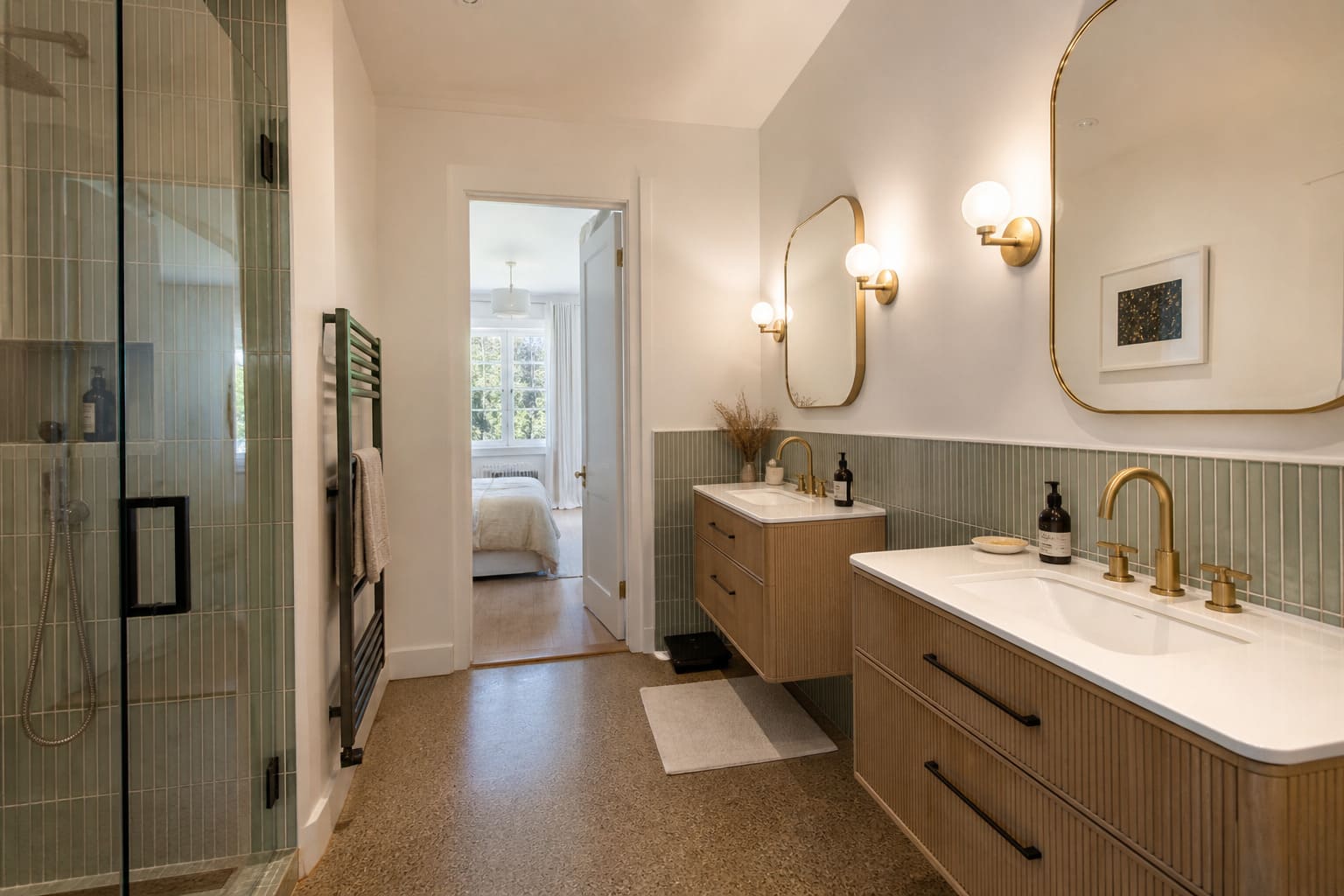
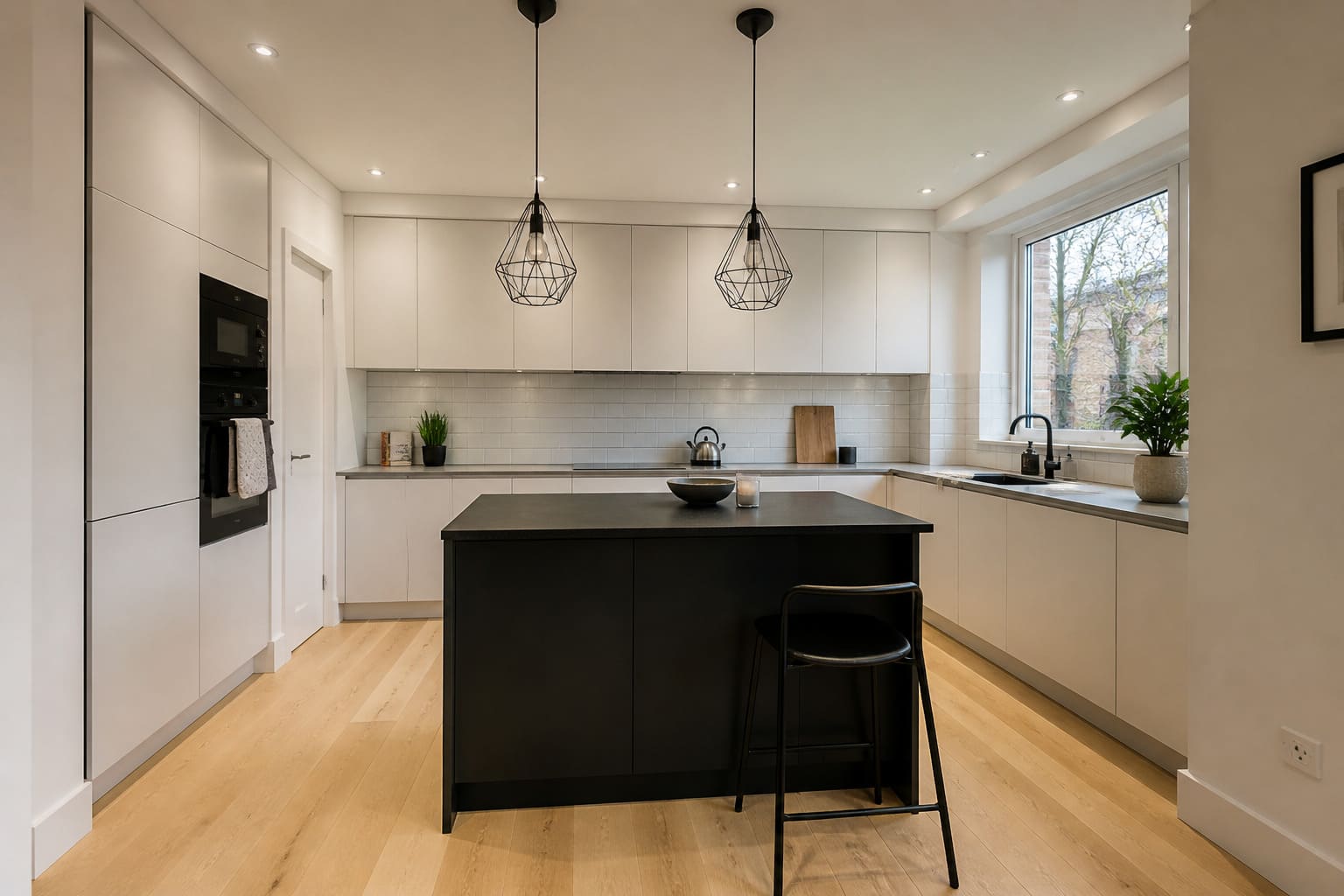
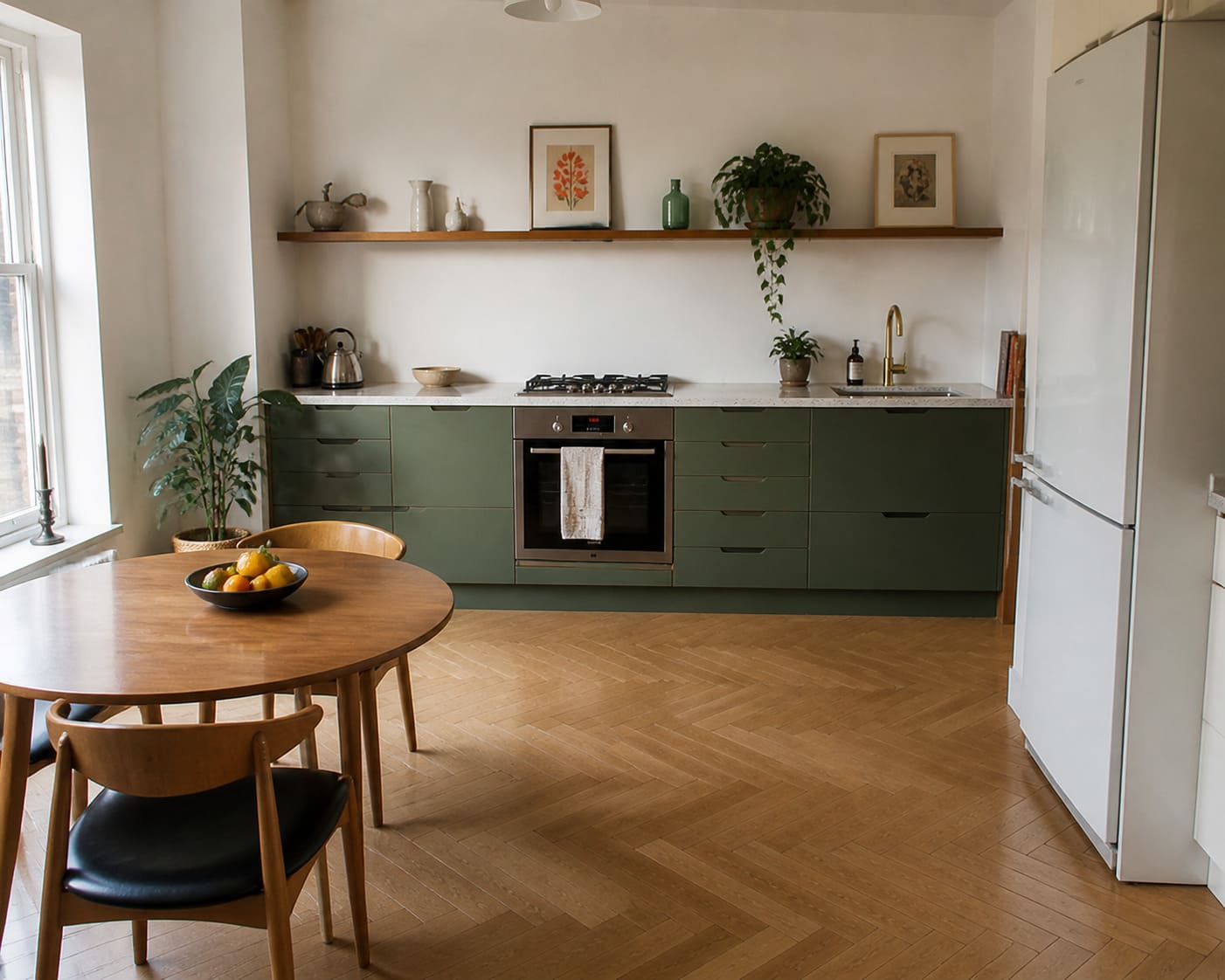
Kitchens and bathrooms can feel out of place if designed without sensitivity. Stick to cabinetry styles that echo traditional joinery and opt for brass or ceramic fittings. Freestanding furniture fits better in older homes than built-in units with sleek lines.
Choose soft, heritage colours and natural materials such as marble, stone, or timber. In bathrooms, consider traditional-style sanitaryware and tiling patterns. Even in new spaces, design decisions should reflect the home’s existing aesthetic. This creates a sense of continuity and comfort throughout. Aim for sympathetic kitchen renovation decisions that do not overpower proportions.
Lighting, Materials and Finishes That Complement Victorian and Edwardian Architecture
Lighting should work with the building’s features rather than against them. Wall lights, pendants, and floor lamps create atmosphere and suit high ceilings and intricate mouldings. Avoid stark or blue-toned light, which can clash with older surfaces.
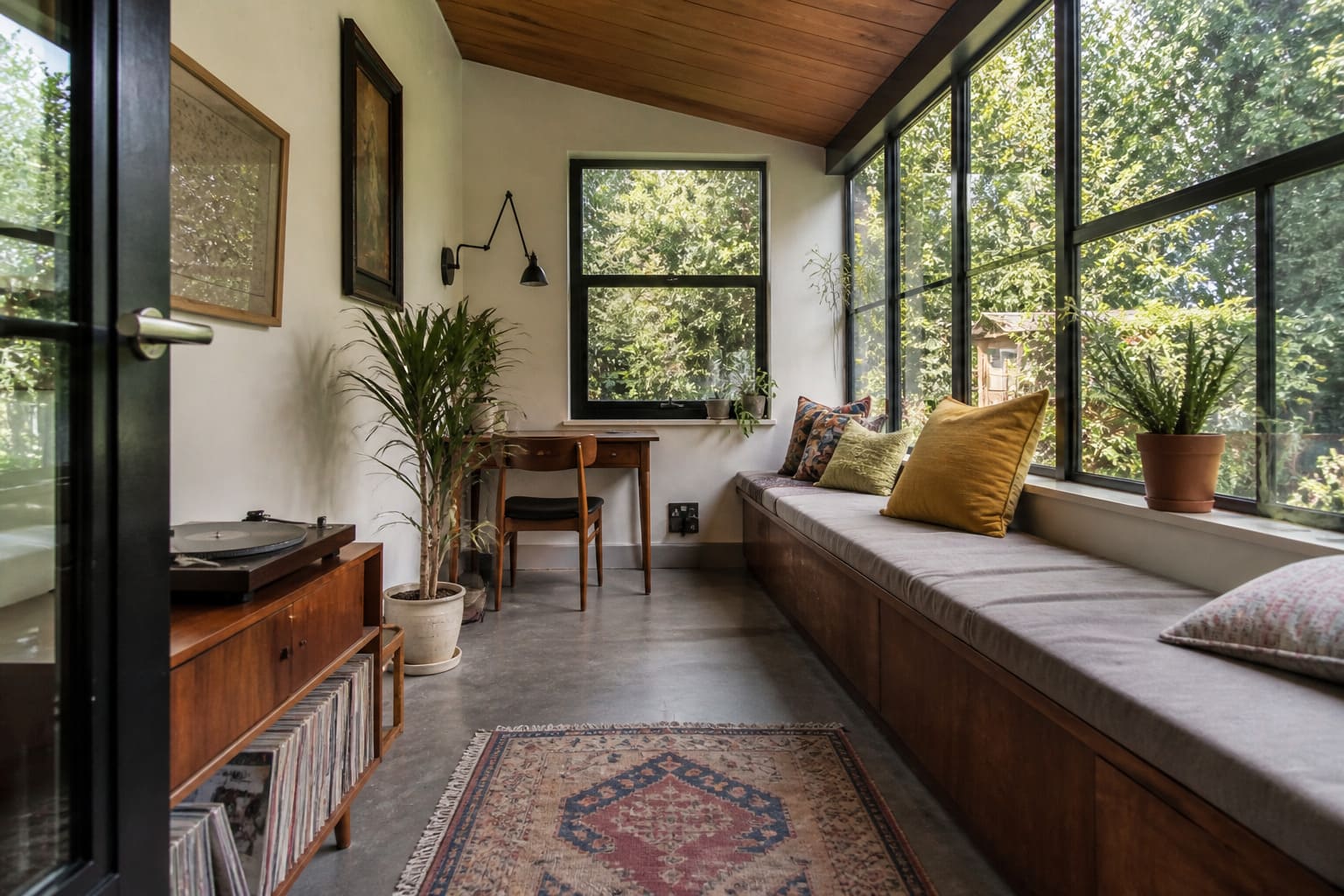
Materials matter too. Use timber, stone, brass, and natural fabrics to enhance texture. Paint colours from heritage ranges tend to sit more comfortably in older homes. As light changes throughout the day, it reveals the character of these materials. A glow on polished floorboards, shadows cast by mouldings, or soft reflections on brass handles all enhance period charm. These touches preserve character during renovation and evoke a sense of time.
Adding Space the Right Way: Extensions and Structural Changes That Look Sympathetic
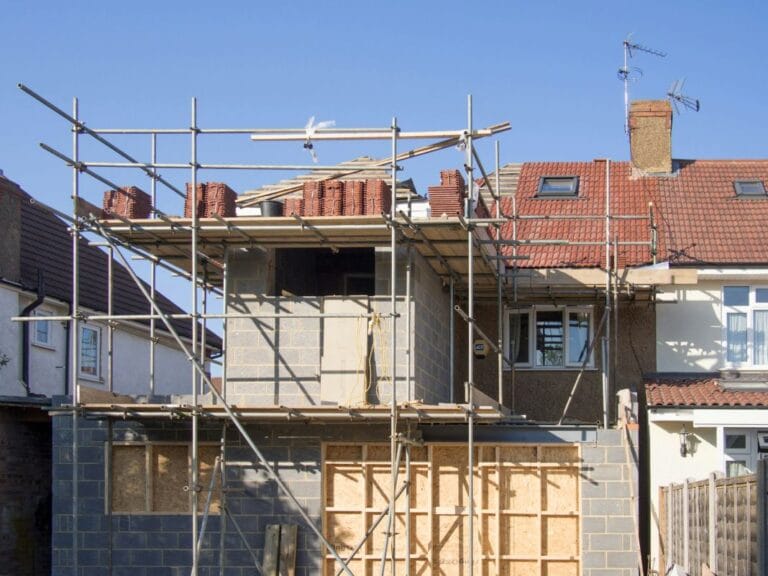
Extensions should complement the home rather than dominate it. Use materials that match or harmonise with the existing structure. Maintain roof pitches and window proportions so that additions feel connected, not separate.
Loft conversions and kitchen extensions are popular ways to gain space. Keep changes modest and in line with original geometry. Avoid over-scaling new parts of the house. A good extension feels like it has always been there and blends into the fabric of the home. Planning a sympathetic house extension is as much about restraint as it is about vision.

What Not to Do: The Most Common Mistakes That Ruin Character
Avoid changes that strip away what makes a home unique. Replacing timber windows with plastic versions, removing fireplaces, or covering plasterwork can all reduce both character and value. Creating overly open spaces may also erase important transitions between rooms.
Clashing materials or trend-driven design often feel out of place in older homes. Instead, aim for updates that look and feel appropriate. Before making any big decision, ask whether it would look right to someone seeing the house for the first time. If you are unsure, seek professional advice from a conservation officer or joinery specialist who understands heritage value.
Working With Professionals: Finding the Right Support
Renovating a period home often calls for more than standard building knowledge. Consider working with architects or surveyors experienced in heritage projects. They understand local planning laws, traditional materials, and how to keep your renovation sympathetic. Historic England and the Society for the Protection of Ancient Buildings (SPAB) offer excellent guidance and can help shape informed decisions.
Tradespeople with experience in historic properties can help restore features with skill and care. Look for joiners, glaziers, and plasterers who work with traditional techniques. Hiring the right people can make the difference between preserving your home’s value and losing irreplaceable detail. When in doubt, hire period property experts who prioritise compatibility over convenience.
Finding the Right Balance: Modern Living Without Sacrificing Value
A carefully modernised period home can be both practical and valuable. Buyers often seek out houses that have been updated sensitively. Features such as restored sash windows, original flooring, and sympathetic lighting make a big impression.
Adding insulation, improving layout, and updating kitchens and bathrooms — when done with care — can increase your home’s appeal without eroding character. The most successful upgrades are the ones that feel invisible and serve modern needs while preserving the past. Authentic restoration is increasingly viewed as a selling point in the UK property market.
Flooring Choices That Respect Period Character
Floors are a key part of a home’s look and feel. Where original boards survive, they can often be sanded and sealed. Gaps can be filled with reclaimed timber to create a seamless surface. If new floors are needed, choose materials that mirror period choices.
Wide oak planks or reproduction encaustic tiles suit many Victorian and Edwardian homes. Natural finishes age well and sit comfortably beside skirting boards and doors. Whether restoring or replacing, floors should support the overall feel of the house. To preserve period charm, always choose flooring materials that work with the home’s style and era.

A Practical Checklist for Planning a Character-Safe Renovation
- Arrange a professional building survey to check for hidden structural or damp issues before starting any work.
- Walk through the property room by room and document all period features such as fireplaces, sash windows, and plaster mouldings.
- Ensure that structural stability and safety are addressed before cosmetic upgrades begin.
- Plan heating, insulation, and ventilation early so that these systems can be installed discreetly and sympathetically.
- Identify which features to keep, restore, or replicate, using a heritage inventory to prioritise decisions.
- Design any layout changes around existing room proportions and consider how natural light travels through the space.
- Choose materials, fixtures, and finishes that are appropriate for the building’s period and architectural integrity.
- Check planning permissions and conservation rules, especially if the home is listed or in a conservation area.
- Work with specialists such as heritage architects, conservation officers, or skilled tradespeople experienced in period properties.
- Keep clear records of all renovation decisions and work completed to inform future maintenance and valuation.
A Thoughtful Finish
A well-balanced renovation makes room for the future while honouring the past. By making considered choices and seeking the right advice, your home can retain its charm and gain comfort.
Compact Building understands how to make this balance work. With their help, you can preserve your home’s heritage while making it ready for modern life. The result is a space that feels lived-in, loved, and entirely yours.